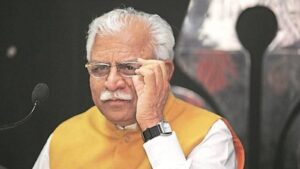
Companies must see workers, not numbers: Chadha Rallies support for gig workforce
Raghav Chadha steps into a growing debate. He meets delivery riders. He listens. Then he speaks. He calls the gig workforce human. He rejects the idea of riders as data points. He asks companies to respect people, not just algorithms.
The one-day strike sets the stage. Delivery workers across cities halt services on December 31. They demand fair pay. They ask for shorter shifts. They seek social security. They want dignity at work. Their message spreads fast on social media. Their protest gathers attention from policymakers.
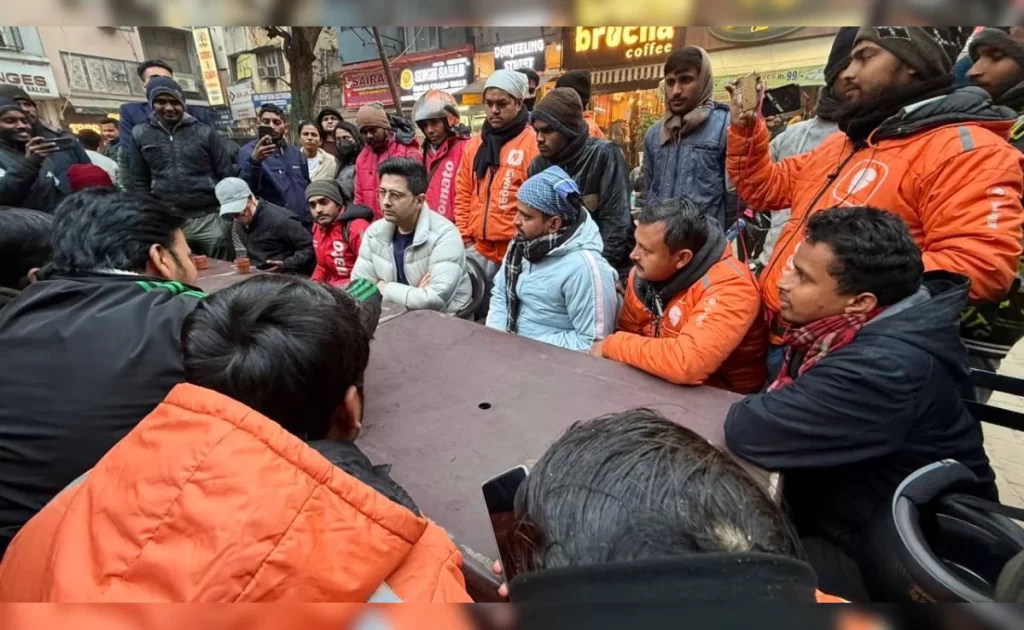
Chadha spends time with riders from Swiggy, Zomato, and Blinkit. He hears stories of pressure and fatigue. He posts about it on X. He reminds companies about the people behind the platforms. He says instant commerce runs on real lives. He stresses empathy over profit. He frames the conversation around rights and fairness.
He also warns against silent exploitation. He says technology cannot hide injustice. He argues that corporate growth should include human protection. He describes gig workers as the backbone of billion-dollar brands. He urges firms to recognize their contribution. He asks lawmakers to create safeguards. He calls the issue a moral one, not just economic.
Chadha keeps up this push in Parliament. He raises questions during the Winter Session. He presses for insurance. He highlights unsafe working conditions. He seeks regular income support. He asks platforms to publish clear and fair policies. He says accountability strengthens both workers and companies.
On New Year’s Eve, he joins workers in Old Rajinder Nagar. They hold a symbolic protest. They avoid confrontation. They demand attention. Chadha stands with them. He says the strike does not seek disruption. It seeks recognition. He calls their appeal legitimate. He links secure workers with safer cities.
Earlier, he meets a Blinkit delivery partner whose video on low earnings triggered outrage. They talk over lunch. They discuss long shifts and shrinking incentives. Chadha again stresses reform. He assures continued engagement.
Meanwhile, platforms respond. Zomato CEO Deepinder Goyal explains the company’s ten-minute delivery model. He says speed does not compromise safety. He outlines operational systems. He insists planning manages risk. His comments attempt to calm criticism. Yet workers say pressure still rises.
The conversation widens. Many riders describe harsh realities. They work eleven or more hours. They chase targets. They lose incentives. They lack medical cover. Accidents create fear. Illness threatens livelihoods. Some riders say monthly income barely supports rent and school fees. They ask for fixed pay and basic insurance.
Advocates see a turning point. They say India’s digital economy depends on human resilience. They call for minimum standards and formal protections. They want clearer contracts. They ask platforms to share responsibility with governments.
For now, the debate remains active. Workers continue to speak. Companies defend business models. Lawmakers weigh options. Chadha stays involved. He repeats one central point: treat gig workers as people first — and build technology around dignity, not sacrifice.