Majority backs EVMs in Karnataka survey, while BJP targets Rahul Gandhi
Karnataka releases new survey data. The numbers show strong faith in Electronic Voting Machines. The findings spark quick political reactions. The debate over elections now heats up again.
The Congress-led state government orders the study. Researchers cover four major divisions. They speak to 5,100 people across 102 Assembly segments. They ask simple questions about trust, accuracy, and confidence in EVMs. The results surprise many observers.
A clear majority says EVMs work. Over 83 percent say they trust the machines. Nearly 70 percent believe the results stay accurate. Another group strongly agrees. People across Kalaburagi show the highest trust. Mysuru follows closely. Belagavi also records strong confidence. Bengaluru shows moderate support but higher neutrality. Urban voters choose caution. Rural regions show stronger faith.
The survey also notes a larger trend. Voters prefer technology. They want quick results. They demand fewer disputes. They connect reliability with transparency. Officials say the data helps future planning. The state aims to improve outreach and voter education.
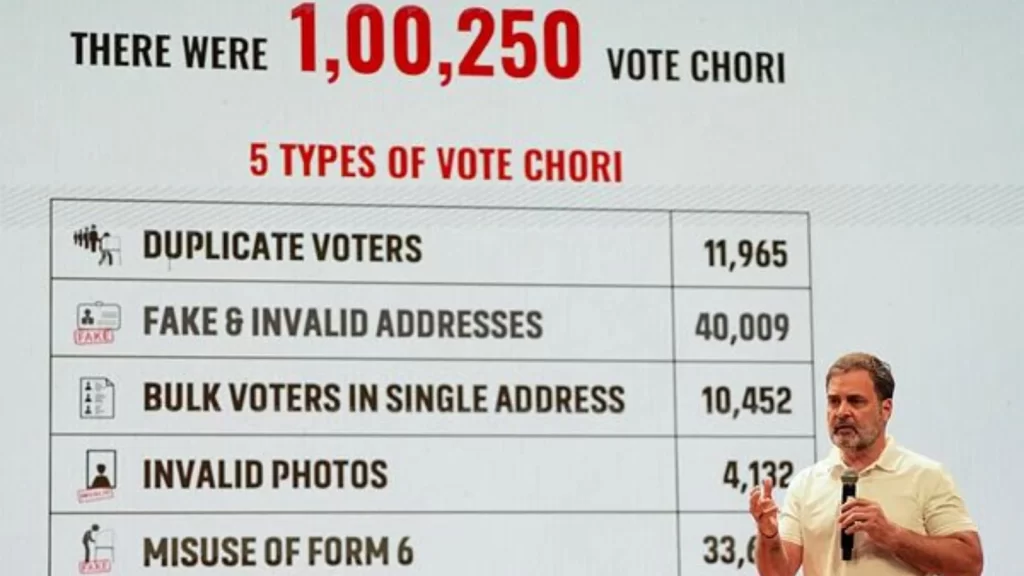
Meanwhile, national politics enters the frame. Rahul Gandhi raises questions about EVMs for years. He speaks about manipulation. He warns about democracy under threat. His message travels across rallies and social media. However, this survey shifts the conversation. It shows a different mood among Karnataka voters.
The BJP reacts immediately. Senior leaders flag the numbers. R Ashok posts sharp remarks on X. He says voters trust the system. He claims Rahul Gandhi builds fear without proof. He says the survey exposes a gap between rhetoric and reality. BJP leaders call the findings a blow to Congress criticism. They frame the survey as validation of India’s election machinery.
Then another issue surfaces. The Karnataka government plans local body elections through ballot papers. BJP questions the move. Leaders call it a step backward. They remind voters about delays, disputes, and misuse under ballot systems. They argue that the decision contradicts public opinion. They say Congress chooses narratives that suit political strategy.
Rahul Gandhi and Congress defend their position. They say questions strengthen democracy. They highlight cases of confusion and technical glitches. They argue for broader audits and cross-checks. They insist that debate over voting systems remains essential. Their supporters echo the call for deeper scrutiny.
Still, the survey carries weight. It captures sentiment at ground level. It reflects the thinking of ordinary voters. It shows growing familiarity with digital systems. It also reveals pockets of doubt. Bengaluru voters want more clarity. Younger voters demand stronger communication. Women voters express more concern over access and safety.
The conversation now moves beyond politics. Experts stress voter awareness. They call for continuous education programs. They ask authorities to publish clear data. They suggest independent monitoring during polls. They say trust grows when institutions engage directly with people.
For now, Karnataka stands at an important point. The survey signals broad confidence. The political clash keeps the issue alive. Elections rely on credibility. Voters want both security and speed. The coming months will show how leaders respond — and whether trust continues to rise.