Bengal’s voter drive brings a ‘Dead Man’ home after 28 years
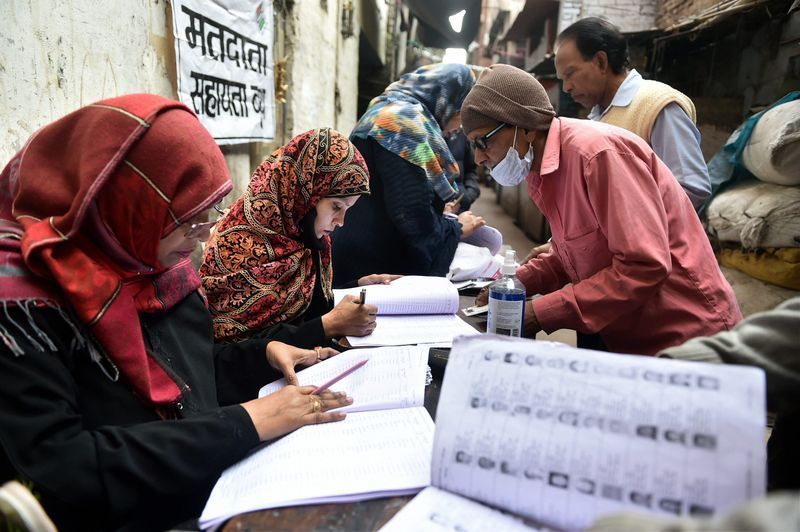
West Bengal launched a Special Intensive Revision of its voter rolls. The exercise triggered strict verification. Officials asked voters to show documents and confirm addresses. Because of that process, an unexpected story emerged.
In Uttar Pradesh’s Muzaffarnagar, a family believed one man had died years ago. Yet the man walked back into their lives. His name is Sharif Ahmad. He is 79. He disappeared in 1997. He left after his first wife died. Soon after, he married again and moved to West Bengal. His relatives searched. They asked neighbors. They traveled to Bengal. They followed every lead. Still, they failed to find him. Over time, they lost hope. His daughters assumed the worst. The family performed rituals and moved on.
Then came December 29, 2025. Sharif arrived at his family home. He wanted old documents for the Bengal voter revision. He said officials needed proof. Therefore, he traveled back after nearly three decades. The knock on the door stunned everyone. Relatives gathered. Emotions surged. His nephew, Waseem Ahmad, described the moment. He said the family never stopped wondering. Yet they never expected a reunion.
Sharif saw a different world inside his old home. His father had died. His brother had died. Several close relatives had also passed away. Still, the house filled with relief and tears. Family members hugged him. They asked questions. They tried to understand his long silence. He stayed only briefly. Then he returned to Medinipur district in West Bengal, where he now lives with his family.
Meanwhile, Bengal’s SIR continues at pace. The state launched it on November 4. Officials published the draft roll on December 16. The revision removed over 5.8 million names. Authorities cited absent voters, shifted voters, duplicate entries, and deceased persons. Opposition parties raised concerns. The ruling Trinamool Congress protested. Leaders claimed the drive targeted their support base. They demanded transparency and safeguards.
Election officials defended the effort. They argued that clean rolls ensure fairness. They pointed to upcoming assembly elections. The state will vote for 294 seats. Accurate lists will matter. Political parties now prepare strategies. Civil groups monitor developments. Legal experts track challenges and petitions.
Across villages and towns, residents line up outside voter offices. Many carry old papers. Some correct spelling errors. Others add new addresses. Several people discover missing names. Volunteers help elderly citizens navigate forms.
Sharif’s story shows another side of the process. Verification led him home. It reunited a scattered family. It also exposed the fragile lives behind government lists. While politics fuels debate, human stories continue to surface.
Now, Sharif resumes life in Bengal. His daughters know he still lives. His relatives speak to him again. The family plans visits and calls. And the SIR rolls forward, district by district.
In the end, a bureaucratic exercise did more than clean records. It reopened doors. It revived memories. And it turned one “dead” man into a living chapter in two states’ political season.