CWC meet reviews strategy, G-RAM-G law, and key flashpoints
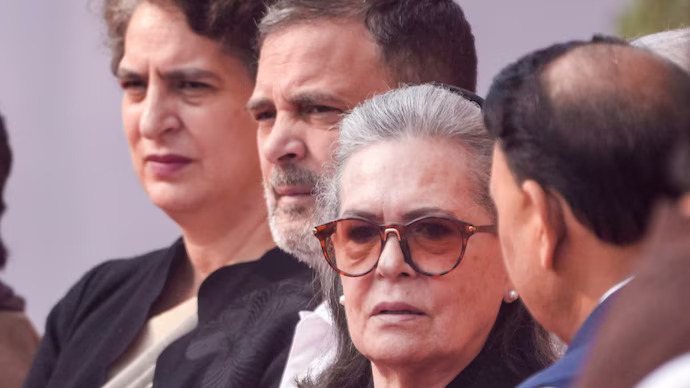
New Delhi – The Congress Working Committee met on Saturday. The party chose New Delhi for the session. Top leaders arrived early. The Gandhis took their seats. Shashi Tharoor joined them. Chief ministers from Congress-ruled states also came. The leadership wanted clarity. The moment demanded strategy.
First, the party addressed the electoral calendar. Next year brings tough contests. Therefore, leaders examined each state. They looked at alliances. They looked at messaging. They looked at finance. Everyone pushed for discipline. The party wants unity on the ground, not noise in Delhi.
Then the meeting turned to the G-RAM-G law. The government replaced MGNREGA with this new scheme. Congress views the move as an attack on its rural jobs legacy. The party says the government adds days on paper but shifts financial pressure on states. Under MGNREGA, the Centre covered wages. Under G-RAM-G, states must carry a share. So leaders argued that states may reduce work when funds tighten. They called the law “anti-poor” and “anti-village.”
Because of this, the CWC planned agitation. Leaders proposed rallies, marches, and village meetings. They want workers to explain the numbers clearly. They want farmers and labourers to ask questions directly. However, a few leaders also warned the room. They said Congress often starts loud campaigns and then slows down. They cited past examples. Therefore, the meeting stressed follow-through, not only headlines.
After that, the CWC reviewed legal and political flashpoints. The National Herald matter resurfaced. Enforcement Directorate officers filed a money-laundering complaint. A trial court declined to proceed. The agency moved the Delhi High Court. The court issued notices. Congress leaders argued that agencies chase political targets. They demanded transparency. They demanded fairness.
Environmental concerns came next. The Centre recently changed the definition of the Aravalli range. The Supreme Court accepted the new yardstick. It says hills must rise 100 meters above local terrain to qualify. Activists fear open mining on land that falls outside the new tag. Party leaders echoed those fears. They said the government talks green but clears projects freely. Consequently, the CWC explored pressure tactics. They discussed Parliament. They discussed courts. They discussed public outreach.
The meeting also covered regional security. Leaders raised the recent violence against Hindus in Bangladesh. Lynchings shook local communities. Congress urged New Delhi to engage Dhaka firmly. The party asked the government to protect border stability and human rights at the same time.
Finally, leaders touched Karnataka. Siddaramaiah attended. DK Shivakumar’s supporters still want rotation. The party wants calm. So elders urged dialogue and patience. They warned against public fights.
In the end, the CWC closed with a simple plan. Speak directly to people. Defend rural jobs. Challenge legal overreach. Protect the environment. Manage internal disputes quietly. And most importantly, carry every campaign from meeting rooms to village squares.