India Presses US Over H-1B Delays, Seeks Relief for Stranded Applicants
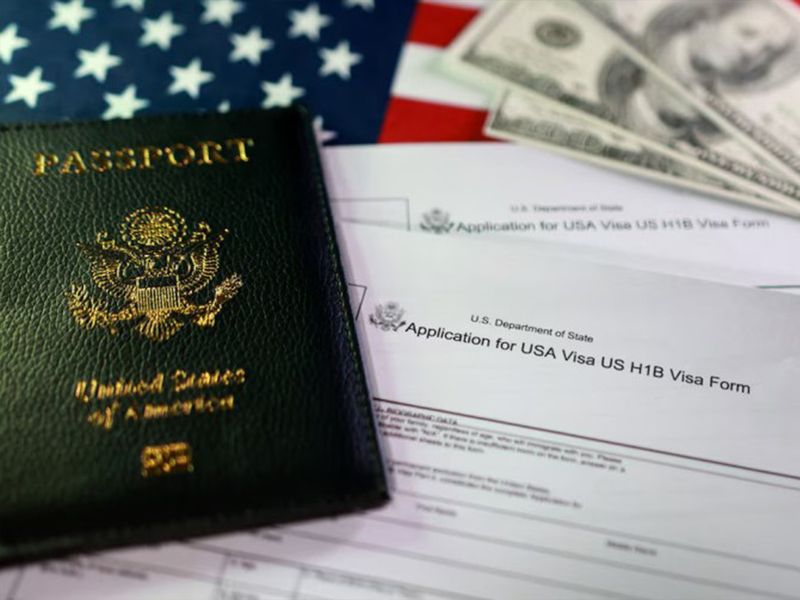
India watched H-1B visa delays stretch for months. Meanwhile, frustration rose among workers and families. Therefore, the government stepped in and raised the issue. Officials in New Delhi engaged their US counterparts and sought urgent clarity on appointments.
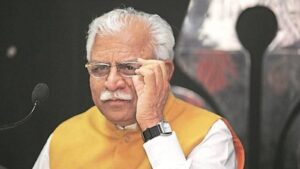
MEA spokesperson Randhir Jaiswal outlined the concern. He said the government recognizes each country controls its own visa system. However, he also said thousands of Indians face stalled interview slots and shifting schedules. Many professionals now wait longer abroad or postpone crucial plans at home. Families bear the stress every week. Children miss schools. Employers hold projects. Travelers juggle uncertain itineraries.
At the same time, the H-1B program continues to evolve. Recent changes altered screening rules and allocation criteria. Indians hold the largest share of H-1B approvals. So every shift hits Indian applicants first. Tech workers track announcements closely. Consulting firms rework timelines. Universities counsel graduates about backups.
Earlier this month, the United States introduced an expanded vetting step. Authorities instructed applicants and dependents to open their social media profiles to public view. They linked the new rule to national security checks. The change went live on December 15. Soon after, many applicants reported sudden reschedules. Several interview dates moved months ahead, even into May. Confusion followed. Families scrambled for fresh plans. Companies adjusted onboarding dates.
India did not stay silent. Diplomats raised the issue in Washington and in New Delhi. They asked for smoother scheduling. They highlighted the human cost. They also requested predictability for businesses that rely on skilled workers. Jaiswal said the government will keep the dialogue active. He expressed hope for quicker appointments and fewer disruptions. He urged applicants to monitor official channels and avoid rumors.
Furthermore, broader policy shifts continue. The US tightened rules around skilled migration. The administration framed the steps as labor protection. It also introduced a hefty $100,000 fee for first-time H-1B applicants. In addition, authorities scrapped the simple lottery. They now prioritize higher skills and advanced qualifications. Supporters claim these moves attract top talent. Critics warn about barriers for younger professionals.
Against this backdrop, India stresses cooperation. Officials say both countries benefit from stable mobility. Indian engineers support key US industries. American firms invest in Indian campuses and research hubs. Therefore, smoother visa processes help both economies. Dialogue can balance security needs and talent flows.
Meanwhile, applicants continue to prepare. Lawyers advise clients to keep documents updated. Employers plan contingencies. Families weigh temporary options. Travel agents track embassy notices. Everyone watches for faster interview slots.
Looking ahead, India will keep pushing for relief. The government plans more engagement with the US. It will collect feedback from applicants. It will flag problem clusters. It will seek predictable timelines. And it will press for transparency along the way.
In short, the H-1B pathway still matters to thousands of Indian professionals. Delays strain careers and families. However, steady diplomacy and practical fixes can ease the logjam. India signals urgency. The United States considers adjustments. Now both sides must convert talks into smoother desks, quicker dates, and clearer guidance.