
Can you really change your skin texture? Dermatologists break down the facts
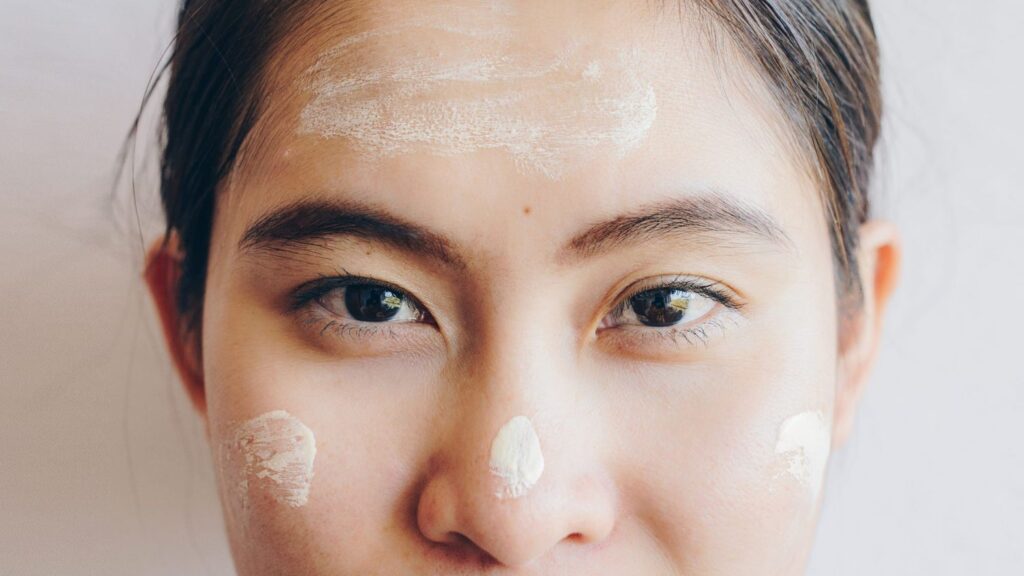
Social media floods timelines with bold skincare claims. Influencers promise poreless skin. Brands sell overnight fixes. As a result, many people believe they can erase texture with one product. However, dermatologists urge caution and realism.
To begin with, doctors explain what skin texture actually means. Skin texture refers to how skin feels and looks up close. Smooth and even skin signals good health. In contrast, rough skin feels dry, bumpy, or uneven. Dermatologists say everyone has texture. No one has perfectly flat skin in real life.
Moreover, skin texture changes with time. Genetics play a role from birth. Yet daily habits shape how skin evolves. Sun exposure damages collagen. Pollution clogs pores. Poor sleep slows repair. Stress triggers inflammation. In addition, skipping sunscreen or hydration worsens roughness over years.
Dermatologists also highlight the impact of acne and scars. Past breakouts leave marks. Hormonal changes affect oil production. Lack of exfoliation slows cell turnover. Together, these factors alter texture gradually. In short, skin reflects both inheritance and care.
Meanwhile, edited images create unrealistic expectations. Filters erase pores. Lighting hides lines. As a result, many believe smooth skin means zero texture. Doctors strongly disagree. They stress that pores, fine lines, and bumps exist naturally. Healthy skin still shows texture.
Furthermore, myths fuel disappointment. Many expect instant results. Others chase perfection forever. Dermatologists say real skin never stays flawless. Texture does not mean damage. Instead, it signals normal function. Accepting this fact forms the first step toward improvement.
So, can you actually change skin texture? Experts say yes—but slowly. Skin improves with time and consistency. No cream delivers permanent results overnight. Temporary smoothness may appear after moisturisers. However, deeper change takes weeks or months.
As collagen rebuilds, skin gradually feels firmer. As dead cells shed, surface smoothness improves. As inflammation drops, bumps soften. Therefore, patience matters more than price tags. Dermatologists warn that miracle claims oversell results.
Next, experts outline the right approach. First, they stress basic care. Gentle cleansing protects the barrier. Daily moisturising prevents dryness. Sunscreen remains non-negotiable. Without sun protection, no routine works.
Then, targeted products help further. Retinoids boost cell turnover. Mild acids smooth rough patches. Antioxidants fight damage. However, doctors advise professional guidance. Not every product suits every skin type.
In some cases, clinical treatments help. Chemical peels refine texture. Microdermabrasion removes dead cells. Laser therapy targets scars and pores. Yet these treatments require supervision and realistic goals.
Lifestyle also plays a major role. Poor diet slows repair. Dehydration dulls skin. Smoking accelerates ageing. Chronic stress increases inflammation. Therefore, doctors recommend balanced meals, enough water, regular sleep, and stress control.
Age also influences results. Younger skin responds faster. Still, experts say improvement remains possible at any age. Consistency outweighs youth. Gradual progress lasts longer than quick fixes.
In conclusion, skin texture remains natural and universal. Genetics, habits, and care shape it over time. No product can rewrite skin overnight. However, steady routines, sun protection, and healthy living can improve texture meaningfully. The goal should not chase perfection—but aim for healthier, resilient skin.