
Trump tariffs, trade stalemate keep indian rupee under pressure
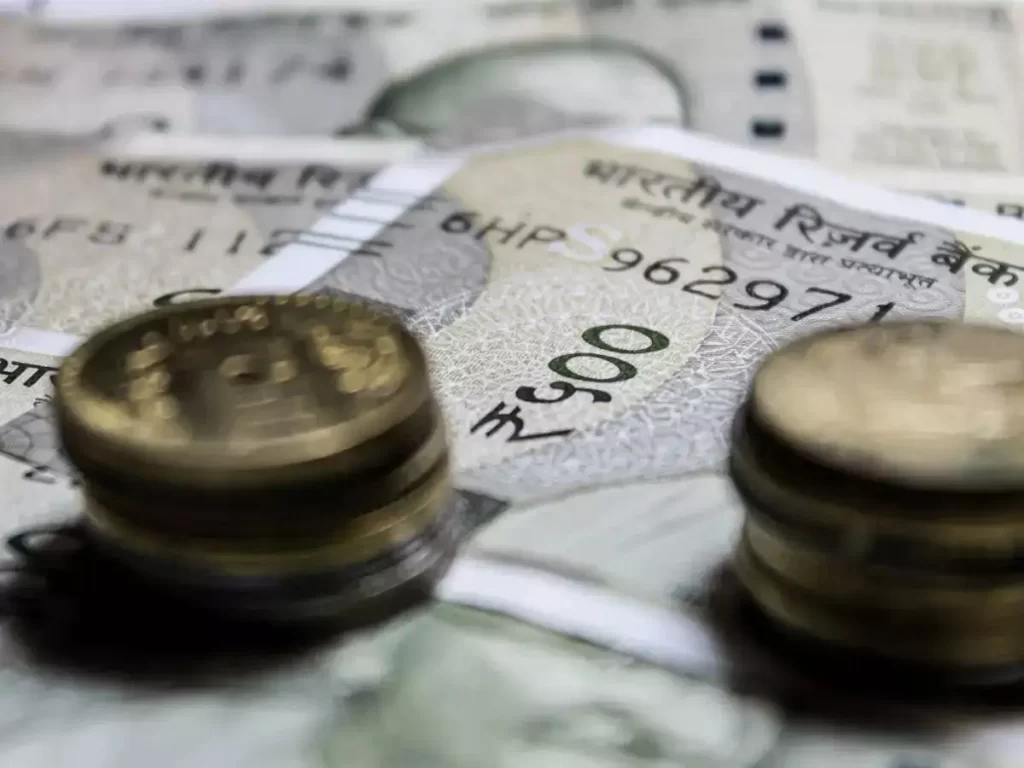
The Indian rupee faces mounting pressure as US tariffs and stalled trade talks continue to unsettle investors. No currency has suffered more under Washington’s punitive measures than the rupee, which has slid 6 percent against the dollar this year. The rupee touched a record low of 91.075 per dollar, dragged down by high US tariffs, a widening trade deficit, and massive portfolio outflows.
Citi reports that India’s real effective exchange rate stands at 96, its lowest in over a decade. Analysts say this usually signals a rebound, but investors remain cautious. Money managers pulled a record $18 billion from Indian equities in 2025, reflecting deep concern over the lack of progress in US-India trade negotiations.
Vivek Rajpal, Asia macro strategist at JB Drax Honore, says market patience is thinning. He adds that the rupee may look cheap, but confidence in temporary tariffs is necessary before investors return. Indian and US officials have held talks throughout 2025, and India’s Chief Economic Advisor expects a deal by March 2026. Meanwhile, other Asian economies have negotiated agreements or moratoriums with the US, leaving India more exposed.
Economists note that a weaker rupee can offset tariffs by lowering dollar export prices. Yet at 50 percent, US tariffs are so high that further rupee depreciation is likely. The wide trade deficit and continued capital outflows add extra pressure. Reports suggest the Reserve Bank of India does not plan to counter market fundamentals, reinforcing expectations of more weakness.
HSBC analysts warn that sharp rupee depreciation poses a risk to Indian equities, despite improving valuations and economic fundamentals. Other global brokerages, including Citi, Goldman Sachs, and JP Morgan, have recently upgraded Indian equities, citing potential gains from rate cuts and a possible rupee rebound in 2026.
Jean-Charles Sambor, head of emerging markets debt at TT International Asset Management, says geopolitical risk and current account expectations have driven depreciation. However, he believes the risk may be overstated. Investors are not aggressively buying rupees yet, highlighting persistent caution.
Indian equity markets, dominated by banks and IT outsourcing firms, lagged peers in 2025. Nifty 50 rose about 10 percent, while the MSCI Emerging Market Index gained 26 percent. In dollar terms, Indian equities underperformed MSCI’s China index, which gained nearly 30 percent, offering investors more attractive alternatives.
Some investors compare the rupee’s fall to the Chinese yuan’s depreciation during US-China trade tensions in Trump’s first term. Jitania Kandhari of Morgan Stanley says the rupee may need to weaken further if tariffs persist. Federated Hermes’ Kunjal Gala notes that depreciation boosts export competitiveness but creates dilemmas for dollar-indexed global investors.
Overall, the rupee remains under sustained pressure, and market watchers say a decisive US-India trade deal will determine its near-term trajectory. Until then, investors expect volatility, further capital outflows, and continued weakness in the Indian currency.