NDA scores big in Munambam, Waqf land dispute shapes decisive local body verdict
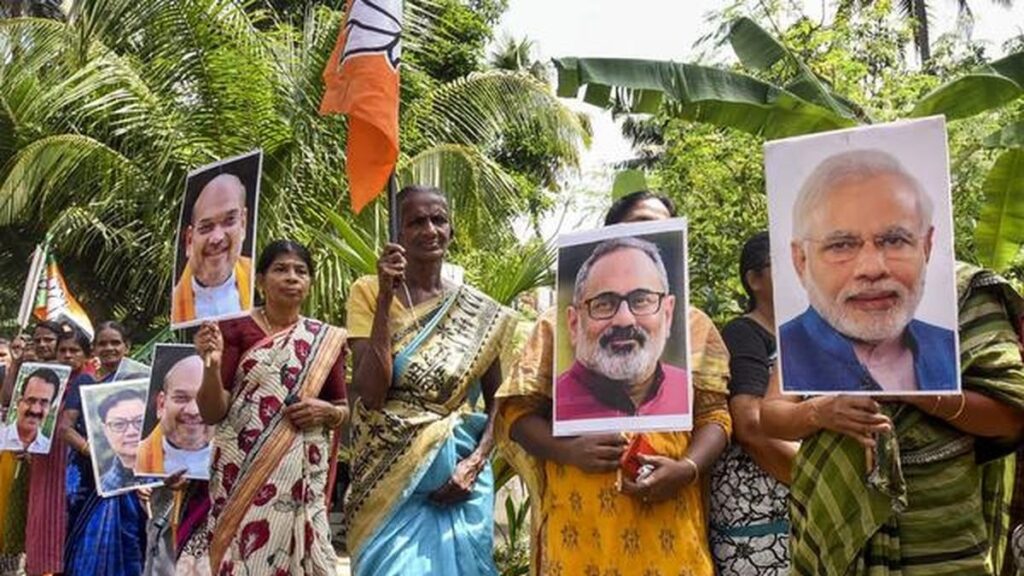
Kerala – The NDA recorded an emphatic victory in Munambam ward during Kerala’s local body elections. The result stands out because Munambam has remained the epicentre of a long and bitter Waqf land dispute. Therefore, the verdict carries political and social weight far beyond the ward.
Munambam sits in Ernakulam district and has witnessed sustained unrest since 2019. That year, the Kerala Waqf Board declared more than 404 acres in the area as Waqf property. Soon after, uncertainty gripped residents. Around 500 families, most of them Christian, feared eviction. As a result, protests began and never stopped.
For over 400 days, families rallied under the banner of the Munambam Land Protection Council. They organised sit-ins, marches, and petitions. They demanded restoration of revenue rights. They also sought clarity on land ownership. Meanwhile, the government stopped accepting land tax from families living on the disputed plots. This move deepened anxiety.
Against this backdrop, the NDA entered the campaign with a sharp focus. Its leaders spoke directly about the dispute. They accused authorities of inaction. They promised legal clarity and protection for residents. They framed the election as a fight for land rights and dignity.
Consequently, the message struck a chord. Voters turned out in significant numbers. Booth-level trends showed strong support for the NDA across residential pockets affected by the dispute. The margin underlined voter anger and expectation.
Kerala BJP general secretary Anoop Antony Joseph called the outcome historic. He said the Modi government and the BJP stood with Munambam residents against the Waqf claim. He added that voters returned that support through the ballot. Earlier, the Congress had held the ward.
Meanwhile, the result has larger political implications. The BJP has long struggled to gain a foothold in Kerala. However, this win provides momentum ahead of the 2026 assembly elections. It also boosts the NDA’s morale in urban local bodies.
At the same time, trends in nearby areas have added to the narrative. The NDA has taken a lead in the Thiruvananthapuram Corporation as well. That seat falls under the constituency represented by Congress MP Shashi Tharoor. Together, these signals point to shifting local dynamics.
Importantly, the Munambam story includes a late twist. Initially, affected families planned to boycott the polls. They wanted to register protest through non-participation. However, community leaders later urged voting. They argued that the ballot offered a stronger voice. Eventually, residents cast their votes in large numbers.
This decision proved decisive. Many voters linked their participation to the land issue alone. They said they wanted firm representation. They also wanted the issue raised beyond local offices and courts.
On the other hand, opposition parties struggled to counter the NDA’s narrative. They spoke about welfare and governance. However, they avoided strong commitments on the Waqf dispute. This gap weakened their campaign in the ward.
After the results, residents expressed cautious hope. They said the verdict reflected unity and resolve. However, they also warned that trust depends on action. They want documents restored. They want taxes accepted again. Above all, they want security from eviction.
Now, pressure shifts to the NDA. The win brings expectations. Voters will track follow-up steps closely. Any delay could trigger renewed anger.
In sum, Munambam delivered more than a local victory. It showed how unresolved land disputes can reshape political loyalties. It also showed that clear positioning can influence outcomes in Kerala’s complex political landscape.