Rahul Gandhi pushes for parliament debate on air pollution; government signals readiness
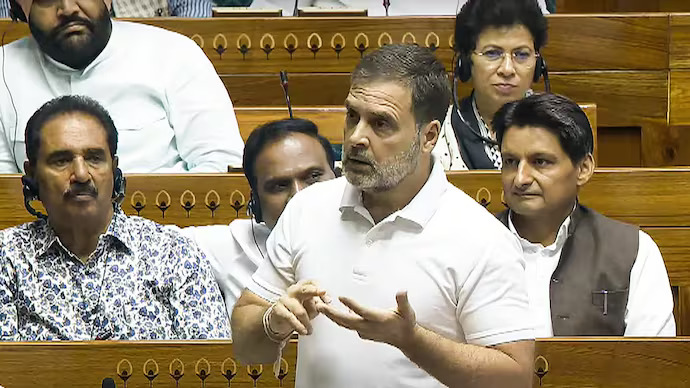
Congress MP and Lok Sabha Leader of Opposition Rahul Gandhi escalated the debate on air pollution in India on Friday. He called for an urgent, structured discussion, emphasizing that deteriorating air quality poses a serious public health emergency. Gandhi stressed that this issue transcends political divisions and demands immediate attention from all lawmakers.
He highlighted recent data showing rising pollution levels across major cities, especially Delhi, where particulate matter often exceeds safe limits. Gandhi noted that millions of citizens face respiratory and cardiovascular risks due to prolonged exposure. He argued that the Parliament must act swiftly to formulate long-term, cross-sectoral strategies rather than relying on temporary or reactive measures.
Gandhi also criticized gaps in current monitoring and regulation. He pointed out that inconsistent enforcement of environmental standards worsens air quality and leaves vulnerable populations, including children and the elderly, at heightened risk. He called for comprehensive policies integrating industry regulation, vehicular emissions control, and public awareness campaigns.
In response, government officials in the Lok Sabha indicated a willingness to take up the discussion. They acknowledged that air pollution affects millions of Indians and admitted the need for coordinated legislative and administrative action. They suggested that a debate in Parliament could help identify effective strategies while fostering collaboration between political parties.
Environmental experts have consistently warned that air pollution is not just an environmental concern but a pressing public health crisis. According to recent studies, air pollution contributes to thousands of premature deaths annually and increases hospitalizations due to respiratory illnesses. Gandhi used these findings to reinforce his call for immediate parliamentary attention.
He also emphasized that tackling air pollution requires cooperation between central and state governments. Policies should address industrial emissions, vehicular pollution, and urban planning. Gandhi urged the government to adopt science-driven interventions and track progress transparently, ensuring that citizens can monitor improvements.
The debate has sparked interest among other MPs. Several lawmakers expressed support for prioritizing air quality measures, recognizing the long-term impact on health, agriculture, and the economy. Many emphasized that climate change and pollution mitigation should remain a central part of national policy discussions.
Gandhi concluded by framing the issue as a moral responsibility. He urged Parliament to move beyond political differences and focus on safeguarding public health. His approach combined data, citizen concerns, and policy analysis, aiming to build consensus for immediate and long-term interventions.
With government readiness signaled, India may soon witness a detailed parliamentary debate on air pollution. Lawmakers have the opportunity to craft legislation that not only mitigates current risks but also strengthens environmental governance for future generations. The upcoming discussion could mark a turning point in India’s fight against one of the most urgent public health challenges of the 21st century.