US enforces strict social media checks for all H-1B and H-4 visa applicants from December 15
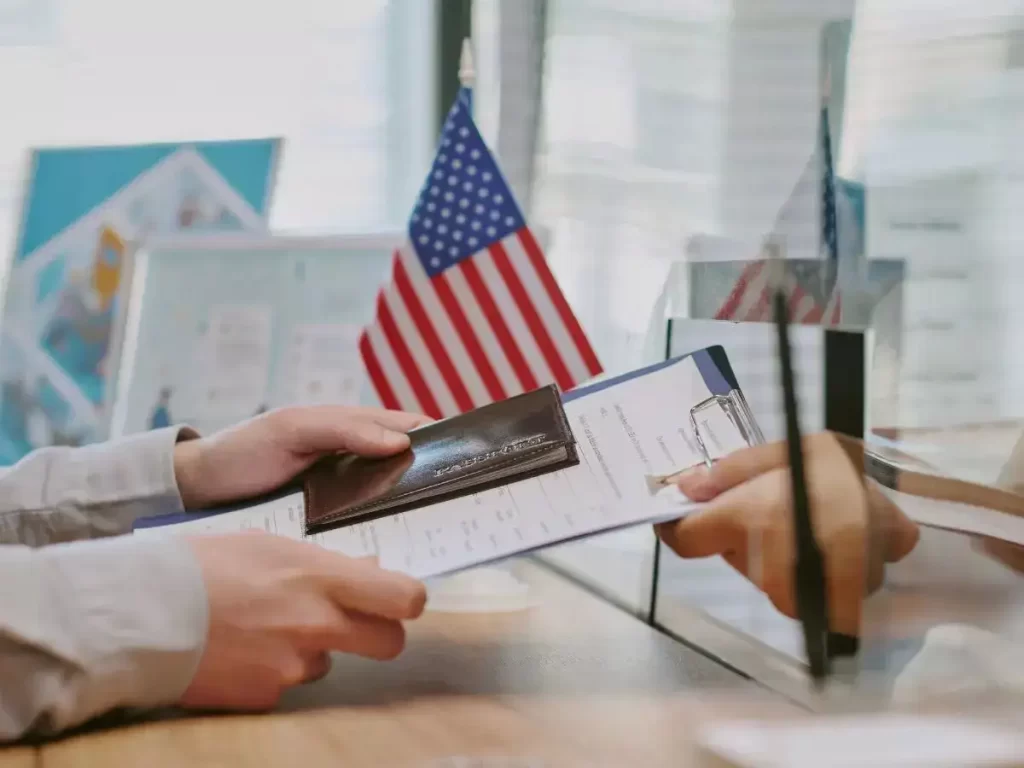
The United States government tightened its immigration screening process this week. It introduced mandatory social media checks for all H-1B and H-4 applicants starting December 15. The order also covers F, M and J visa categories. The State Department said applicants must switch their social media profiles to public mode so officers can examine online activity without restrictions.
The department framed the move as a national security requirement. It stressed that a US visa is a privilege. It also said every visa decision reflects a security judgment. Officers now use all available information, including public posts, to assess potential risks. As a result, the vetting process enters a more stringent phase.
Indian tech professionals expressed concern. They form the largest share of H-1B workers. Many fear that deeper scrutiny may slow approvals and increase rejections. The new rule also forces applicants to expose online interactions that they kept private earlier.
Meanwhile, the State Department repeated that the US must stay vigilant. It said it wants to ensure no applicant intends harm. Because of this stance, Washington continues to expand digital reviews.
External affairs minister S. Jaishankar responded in Parliament. He said visa scrutiny is a sovereign right of the United States. He also said India raised concerns with US authorities whenever it found cases involving excessive scrutiny. He added that India urged the US to avoid harsh action for minor issues. However, he noted that the US clearly sees each visa decision as a national security call. He said Washington has been open about checking digital behaviour.
The move adds to a broader tightening of immigration rules under President Donald Trump. In September, Trump imposed a one-time $100,000 fee on new H-1B visas. The administration justified this by citing alleged misuse of the programme by tech firms. The step worried Indian professionals who rely on the programme for work in the US.
The US also paused immigration applications from nationals of nineteen “countries of concern.” The decision followed a shooting incident in Washington, DC. The accused, an Afghan national, entered the US under Operation Allies Welcome. Authorities launched a review of all pending asylum cases after the attack. The pause includes countries earlier flagged in an earlier travel ban.
The latest visa directive signals a more forceful approach to immigration control. It also shows how security concerns now drive policy across categories. For Indian applicants, the new rules raise uncertainty. Yet, both governments continue to discuss the impact. Going forward, the US appears determined to expand digital screening, and India seeks to ensure fair treatment of its citizens even under stricter rules.