Cyclone Ditwah: Sri Lanka counts 334 deaths as storm weakens near Tamil Nadu
Cyclone Ditwah continued to reshape weather conditions and humanitarian responses across the region on Monday. The system weakened into a deep depression over the southwest Bay of Bengal. It moved to within 30 km of the North Tamil Nadu and Puducherry coasts, but the India Meteorological Department said the storm would stay offshore.
Even with weakening intensity, the system pushed severe weather toward coastal districts. IMD forecast heavy to very heavy rain on Monday across Tiruvallur, Ranipet, Kancheepuram, Chennai, Chengalpattu and Vellore. It also expected heavy rain in pockets of Tirupathur, Tiruvannamalai and Villupuram, along with Puducherry.
Wind speeds remained strong. Gusts reached 80 kmph along north Tamil Nadu, Puducherry and the Karaikal belt. These conditions increased risks for crops and vulnerable settlements. IMD chief M. Mohapatra said the winds were not extreme but could still flood low-lying regions.
Tamil Nadu started witnessing the impact. Revenue and Disaster Management Minister K.K.S.S.R. Ramachandran confirmed three rain-related deaths on Sunday. The government placed 38 disaster response teams on standby. Ten additional teams from other states joined rescue efforts by Saturday evening as authorities prepared for localised flooding.
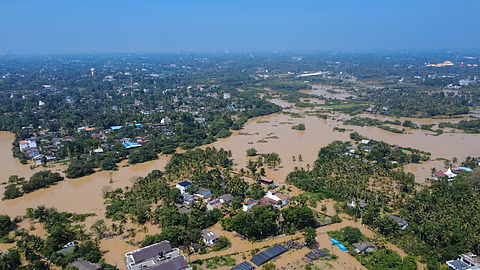
However, the most severe devastation occurred in Sri Lanka. The storm moved through the island before turning toward India. It killed at least 334 people and left more than 350 missing. Over 20,000 homes collapsed and 100,000 people sought shelter in government facilities. The humanitarian crisis deepened as search teams struggled to reach remote areas.
India expanded its relief operations. The Indian Air Force accelerated support under Operation Sagar Bandhu. Aircraft delivered supplies and evacuated stranded citizens. More than 400 Indians returned from Colombo through two IAF transport flights.
As the region responded to the storm, meteorologists explained its behaviour. Mohapatra reiterated that Ditwah would not make landfall in India. Instead, it would travel northward along the coastline. This movement still exposed coastal belts to wind damage and heavy rainfall but prevented a direct hit.
The storm’s name attracted interest as well. Yemen proposed “Ditwah,” referencing the Detwah Lagoon on Socotra’s northwest shore. The lagoon is known for its distinct geography and ecological value.
Cyclone Ditwah triggered a chain of emergency measures across two countries. India focused on ensuring preparedness in Tamil Nadu and Puducherry, while relief agencies struggled with large-scale destruction in Sri Lanka. As the system weakened, authorities shifted attention to recovery, rescue operations and the risk of lingering rain bands.
The next 48 hours remained crucial for coastal Tamil Nadu, with forecasters watching rainfall intensity and waterlogging. Sri Lanka, meanwhile, braced for a long, difficult recovery from one of its deadliest storm-related disasters in years.