Airbus A320 glitch triggers flight delays for IndiGo and Air India
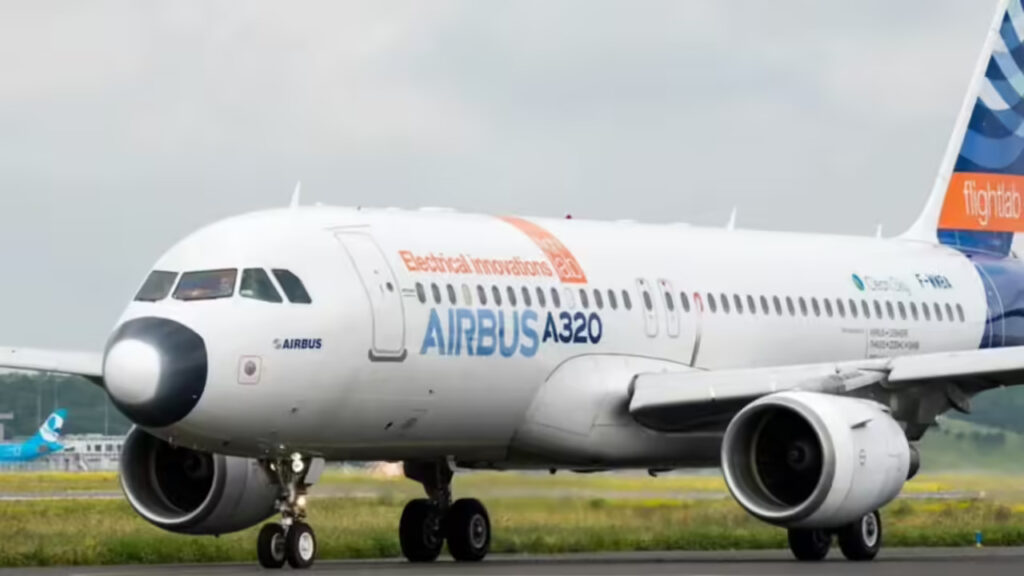
Indian airlines faced fresh turbulence on Saturday as they moved to fix a critical software issue in Airbus A320 family aircraft. IndiGo, Air India and Air India Express warned passengers about possible delays and cancellations. This alert came after a JetBlue A320 on a Mexico–Florida route dropped suddenly earlier this month and injured 15 passengers. Airbus later traced the risk to a fault influenced by intense solar radiation.
To explain the scale, Airbus said that over half of its global A320 fleet needs an urgent software update. Indian carriers operate nearly 560 such aircraft. Sources said more than 200 jets require software corrections or hardware adjustments. Airlines must ground each aircraft for this work, which directly affects flight schedules.
As the issue grew, airlines issued statements to calm passengers. IndiGo said it began close coordination with Airbus. The airline started inspections and promised to reduce disruptions. It also said it would follow every instruction issued by the manufacturer.
Air India Express responded similarly. The airline announced immediate precautions and said that although most of its fleet remained unaffected, it would still adjust operations. These adjustments could cause delays or cancellations through the week. Air India also flagged longer turnaround times. It warned passengers to expect slower schedules while teams completed the required upgrades.
Meanwhile, Airbus issued a detailed explanation. The company said that more than 6,500 A320 family aircraft needed a mandatory software update. According to Airbus, the recent JetBlue incident showed that strong solar radiation could corrupt data used to stabilize flight controls. Engineers later confirmed that this data glitch could affect several aircraft models, including A319, A320 and A321 in both ceo and neo variants. Airbus also instructed operators worldwide to perform the update before the aircraft’s next scheduled flight.
This development carries major industry implications. The A320 family competes directly with the Boeing 737 lineup. Both series form the backbone of most global airlines. Any operational halt in these fleets disrupts schedules, affects fares and strains maintenance teams.
In response, the Directorate General of Civil Aviation (DGCA) issued a firm directive. The regulator ordered all Indian operators using Airbus A318, A319, A320 and A321 aircraft to comply with the mandatory modification. DGCA said that airlines must not operate any aircraft unless technicians confirm full compliance with airworthiness instructions. It also told operators to update their Mandatory Modification Lists and report their compliance under the Airworthiness Procedure Manual.
As airlines begin the upgrade process, passengers can expect slower operations. However, carriers said they want to prioritize safety while maintaining service continuity. The aviation sector now watches closely as engineers work to stabilize operations and return every aircraft to full readiness.