India–US Trade deal gains quiet momentum as energy shift reshapes negotiations
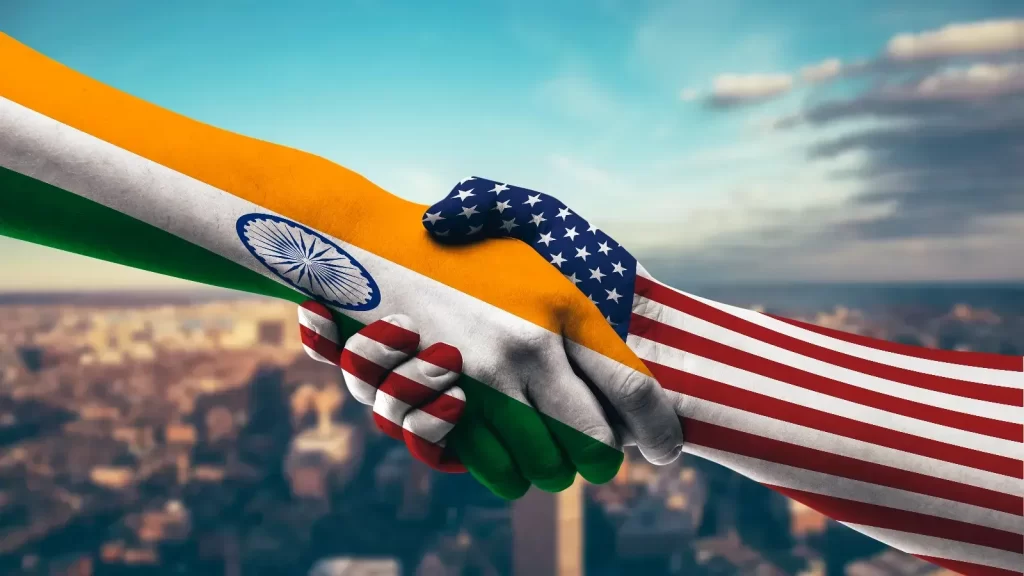
New Delhi — India and the United States appear stuck on the trade deal, but the silence hides steady movement. For weeks, both capitals released no big statements. However, India’s energy choices now reveal where the talks are heading.
To begin with, India’s crude basket shows the earliest shift. Russian oil arrivals fell sharply in November. Tanker data places them near 9.48 lakh barrels a day, almost half of October’s volume. Refiners say they cut these purchases to protect export-linked units after fresh US sanctions targeted major Russian suppliers. As a result, the risk of shipment disruptions grew. Experts note that this change removes a major irritant for Washington and opens space for smoother trade negotiations.
Moreover, the move is costly. Kpler estimates the pivot could raise India’s annual oil bill by $3–5 billion, and under stress, possibly $7–11 billion. CLSA adds that India saved only around $2.5 billion annually from discounted Russian crude, much lower than many assumed. Even so, India prefers predictable supplies over risky discounts.
At the same time, India signed a long-term contract to import 2.2 million tonnes of LPG from the US Gulf Coast starting 2026. That covers nearly a tenth of India’s yearly LPG demand and marks one of the most structured energy engagements with the United States. Additionally, US crude inflows surged in October to 5.4 lakh barrels a day, the highest in almost three years. Together, these moves reflect a deliberate diversification strategy.
Meanwhile, Washington has hardened tariffs on several Indian exports, raising some duties to 50%. Yet the same notices offered more than 200 agricultural exemptions. This mixed messaging suggests pressure, not rupture. India responded by protecting politically sensitive sectors while showing flexibility in others. Seen up close, both governments are managing the friction rather than escalating it.
Furthermore, Commerce Minister Piyush Goyal insists the negotiation is progressing well. He avoids deadlines to keep expectations low and leverage intact. In recent remarks, he stressed that the United States sees India as a trusted partner. He also repeated that India will agree only to a “fair, equitable and balanced” deal. In Washington too, the tone has softened as India’s energy shift becomes more visible.
Officials on both sides continue quiet meetings on customs rules, certification standards, digital provisions, and services. Pain points remain. India wants easier movement for skilled professionals. The US wants clarity on data rules and stronger intellectual property protections. Agriculture and MSMEs stay sensitive for both capitals. Still, the room for negotiation has widened because the energy landscape is changing.
Additionally, export data offers some relief. India’s shipments to the US fell 8.6% in October, a milder dip than September’s 12%. Some categories even revived, hinting that the tariff impact is not as harsh as expected.
In essence, India’s cut in Russian crude, rise in US energy imports, and structured LPG pact have reduced political friction. These developments lower the cost of progress on the trade deal. If Russian arrivals keep falling through early 2026, India’s long-term realignment becomes clear.
Thus, while the trade deal looks stalled, it is quietly taking shape. Energy moved first. Technical talks followed. And step by step, both countries are inching toward a workable agreement.