Delhi tightens pollution curbs as air emergency deepens
New Delhi – Delhi entered another week of toxic air on Saturday. Authorities tightened pollution-control measures across the National Capital Region as the air quality stayed in the “Very Poor” range. The Commission for Air Quality Management (CAQM) revised the Graded Response Action Plan (GRAP) and enforced stricter rules to slow the rapid decline.
Delhi faced repeated pollution spikes this month. Meteorologists expect slow wind speed and high moisture to trap pollutants over the region. As a result, CAQM moved quickly and shifted several measures to earlier stages of GRAP. This shift aims to respond faster and prevent the air from reaching the “Severe” category.
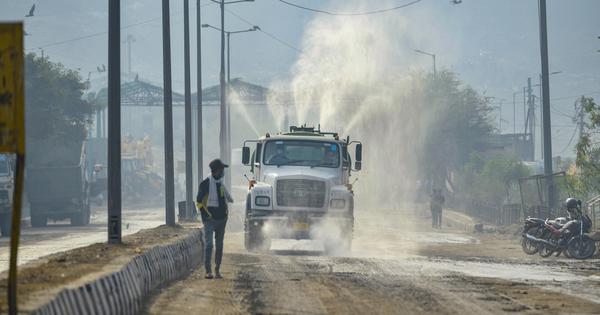
GRAP guides emergency action across the NCR. It links restrictions with Delhi’s average daily AQI and weather predictions. The new schedule places key controls under Stage I. Authorities now ensure uninterrupted power supply to reduce diesel generator use. Traffic teams increase deployment at choke points. Agencies issue pollution alerts through TV, radio and newspapers. Transport bodies also increase metro frequency and add more CNG and electric buses. They plan differential fares so commuters travel more during off-peak hours.
CAQM then revised Stage II measures. These steps now enter force when AQI touches the “Very Poor” band. Delhi, Gurugram, Faridabad, Ghaziabad and Gautam Budh Nagar must stagger office timings for government and municipal staff. NCR states may adopt similar steps for their districts. The Centre may also stagger timings for its employees.
Delhi continued to report poor visibility and rising health complaints. Hospitals recorded more cases of breathlessness and eye irritation. Schools monitored the situation and prepared hybrid schedules if conditions worsened. Residents relied on air purifiers indoors as pollution entered homes.
Consequently, CAQM pushed some Stage IV measures into Stage III. Governments in Delhi and NCR now decide whether offices must run with 50 percent staff and allow the remaining employees to work from home. The Centre may adopt the same model. These steps aim to cut private vehicle use, which remains a major contributor to winter pollution.
Delhi saw similar emergency measures last year when stubble-burning peaks mixed with weather conditions. Experts also warn that construction dust, vehicular emissions and industrial activities keep the city trapped in an annual pollution cycle. Environmental groups urge stronger long-term action beyond seasonal curbs.
Despite repeated interventions, Delhi’s air stayed toxic. Yet, officials believe early implementation will slow further deterioration. They expect relief only if winds pick up and temperatures rise. Until then, Delhi continues to face one of the worst air emergencies in the world, forcing authorities to stay on high alert and residents to limit exposure.
The revised GRAP marks another attempt to manage a crisis that returns every winter. Delhi waits for clean air but fights each day with urgent measures, strict monitoring and hope for seasonal change.