Elon Musk’s $1 Trillion Tesla deal sets the stage for a decade of high-stakes targets in Austin
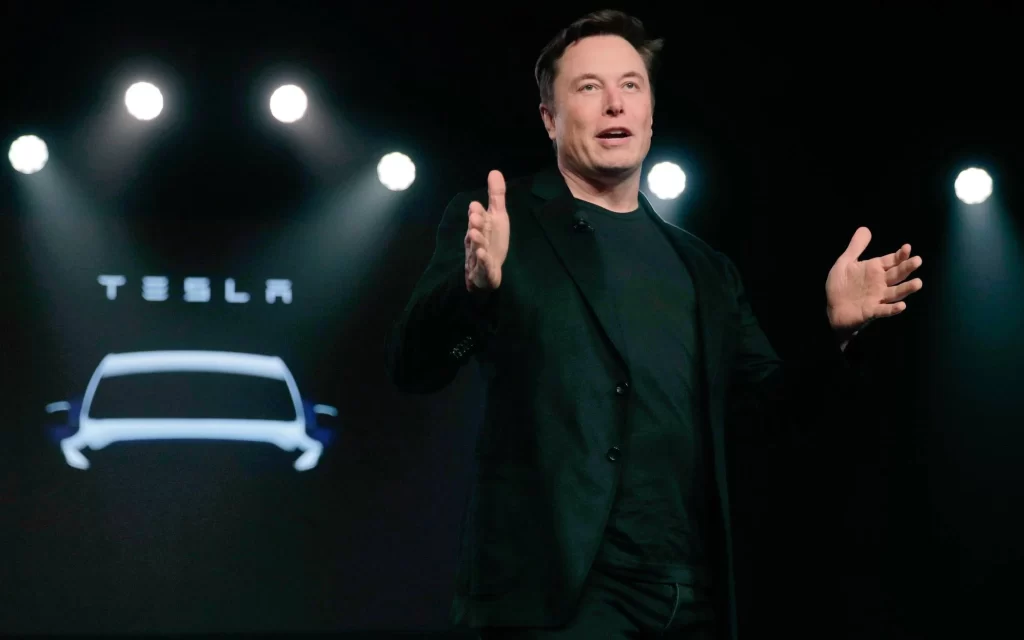
Austin, Texas – Elon Musk took the stage in Austin on a cool November evening. He danced with a humanoid robot at Tesla’s shareholders’ meeting. The celebration followed shareholders’ approval of his record $1 trillion compensation plan. But the real challenge begins now.
Musk must meet what Tesla’s board calls “Mars-shot milestones.” These targets stretch across market value, production, innovation, and profits. Each milestone unlocks one of 12 tranches of Tesla stock. Musk earns nothing unless he meets both financial and operational goals together.
Trillion-Dollar Targets
The first reward comes when Tesla’s market value hits $2 trillion. From there, the company must scale up to $8.5 trillion in value. Each step demands growth of $500 billion, then $1 trillion. Tesla’s current valuation hovers around $1.5 trillion. That means Musk needs to quadruple it.
For comparison, Nvidia recently hit $5 trillion, becoming the world’s most valuable company. If Tesla reaches its goal, it would nearly double Nvidia’s worth.
Ambitious Operational Goals
Tesla must deliver 20 million vehicles within a decade. That’s 150% more than all the cars it has built so far. In 2025, Tesla reached 8 million vehicles after 17 years of production. Musk must now add 12 million more in just 10 years. To do so, Tesla needs to produce around 2 million vehicles every year.
Next, Tesla must deploy 1 million robotaxis in commercial use for at least three months. This goal transforms Tesla from a carmaker to a mobility network operator. The company currently tests hundreds of robotaxis in Austin. Musk plans to expand to new markets in Florida, Arizona, and Nevada by the end of 2025.
Regulatory approvals from the U.S. transport authority remain crucial. Building this autonomous fleet requires major leaps in safety, AI performance, and infrastructure.
The Robot Challenge
Another milestone involves Tesla’s humanoid robot, Optimus. Musk aims to deliver 1 million units starting in 2025. Each robot would cost around $20,000. At present, Optimus exists only as a prototype. Turning it into a mass-produced, affordable product is an enormous leap.
The FSD Subscription Drive
Tesla must also reach 10 million Full Self-Driving (FSD) subscriptions. Currently, about 12% of Tesla owners use FSD. Musk needs to raise that number to nearly 60% of Tesla’s total fleet. He must also ensure safety, comfort, and customer trust in autonomous driving.
Profit and Leadership
Finally, Tesla must earn $400 billion in adjusted profit across four quarters. In 2024, it made $16 billion. That means Musk must increase profits 25 times. To achieve that, Tesla must shift its focus from cars to AI, robotaxis, and high-margin tech services.
Musk must remain Tesla’s CEO or hold a top executive role to claim each tranche. If he leaves early, he loses all unvested stock. This condition binds him to Tesla until at least 2035.
Musk’s dance in Austin symbolised a beginning, not a finale. The music may have played, but his toughest performance—delivering Tesla’s boldest promises—starts now.