India says no, Pakistan opens sea route for Bangladesh trade
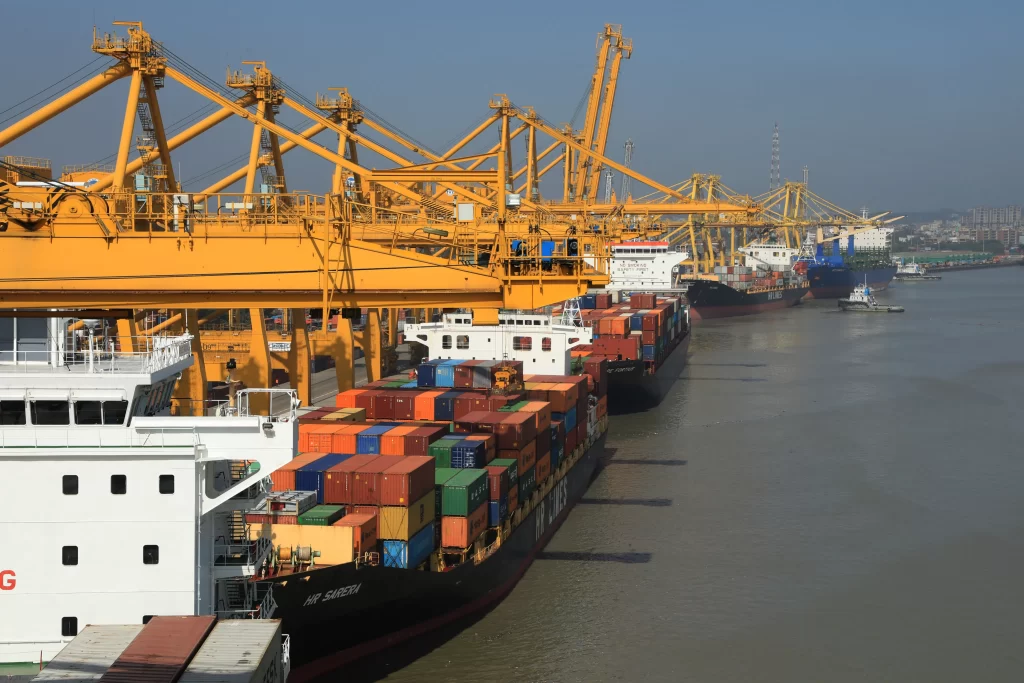
Tensions between India and Bangladesh have hit trade ties hard. Pakistan has stepped in, spotting a rare opening to rebuild its own bridge with Dhaka. On Monday, Islamabad offered Bangladesh access to the Karachi port for exporting jute and other goods. The move came weeks after India stopped overland imports of Bangladeshi jute.
The offer emerged during the Joint Economic Commission (JEC) meeting in Dhaka — the first in two decades. The session signaled a thaw between two countries divided by the 1971 war that birthed Bangladesh.
Pakistan Senses Opportunity
Pakistan aims to turn strained India-Bangladesh relations to its advantage. The Karachi port access would let Bangladesh ship goods to China, the Gulf, and Central Asia. However, trade experts doubt the plan’s economic sense. The 2,600-nautical-mile route from Chittagong to Karachi takes nearly two weeks, raising transport costs.
Last year, a Pakistani cargo ship reached Chittagong for the first time in over 50 years. But trade volume stayed low. Analysts see this latest offer as more political than practical, meant to project Pakistan as a regional player against India.
Trade Concessions and New Deals
Pakistan has gone further. It cut taxes on jute and related items to boost Bangladeshi exports. Earlier this year, it scrapped the 2% customs duty on jute imports from Bangladesh. The gesture was widely seen as a confidence-building step.
A Bangladeshi official told The Financial Express that Pakistan wants to import jute and textiles, while Bangladesh eyes wider access for its goods. Pakistan, meanwhile, pushed for faster approval to sell mangoes to Bangladesh. It hopes to fill the supply gap left after India’s mango exports fell.
Trade between Pakistan and Bangladesh remains modest. In 2024–25, total trade stood at $865 million, heavily tilted toward Pakistan’s $778 million exports. Jute makes up nearly 38% of Bangladesh’s shipments to Pakistan.
India’s Clampdown and Fallout
Pakistan’s outreach follows India’s latest trade restrictions. In August, India banned imports of Bangladeshi jute products and ropes through land routes. Earlier, it barred woven fabrics and garments from crossing overland, allowing only sea entry via Mumbai’s Nhava Sheva port. That raised logistics costs for Dhaka-based exporters.
India also scrapped a transshipment deal that let Bangladeshi goods move through Indian ports to global markets. The curbs hit Bangladesh’s jute earnings hard. In July 2025, exports dropped to $3.4 million from $12.9 million a year earlier.
In retaliation, Bangladesh halted yarn imports from India through five major land ports. The tit-for-tat moves worsened economic friction.
Political Shift in Dhaka
The strain deepened after Sheikh Hasina’s fall last year. Her 15-year rule had kept Dhaka close to New Delhi. The new interim leader, Nobel laureate Muhammad Yunus, shifted foreign policy. His government re-engaged Pakistan and China, signaling a strategic reset.
Sensing this realignment, Pakistan moved fast. Its port offer to Bangladesh is more than trade diplomacy — it’s a geopolitical statement.