Historic moment: Sanae Takaichi becomes Japan’s first female PM
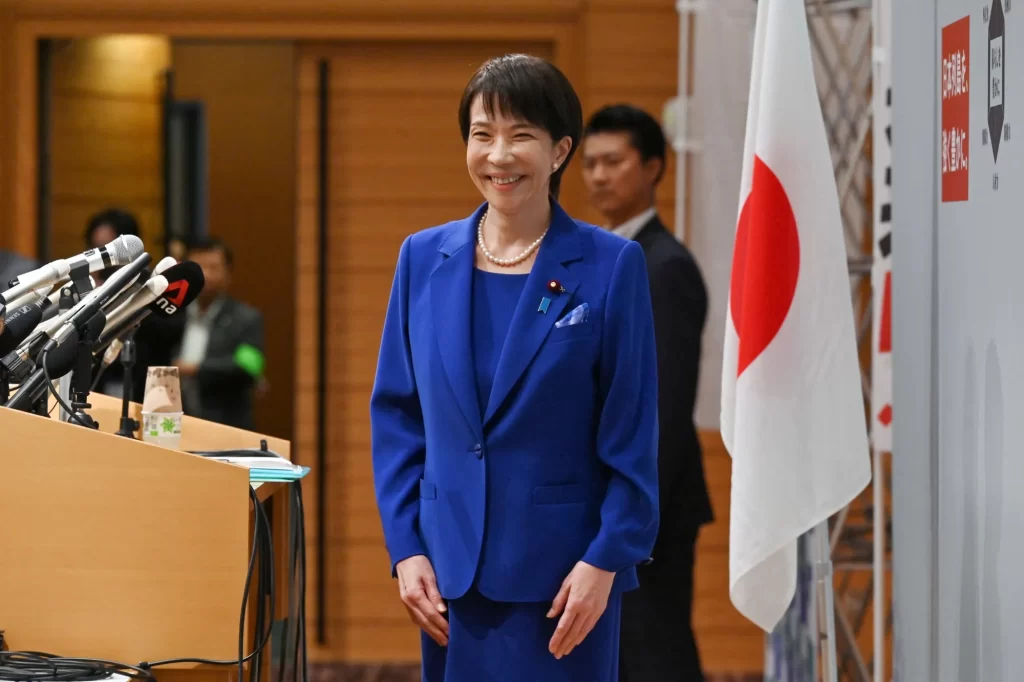
Sanae Takaichi on Tuesday created history by becoming Japan’s first female prime minister. The Liberal Democratic Party (LDP) leader won a decisive victory in the lower house, marking a turning point in the country’s political history.
Takaichi secured 237 votes in the 465-seat lower house, comfortably crossing the majority mark. Lawmakers applauded as she clinched the top post, breaking a glass ceiling that had stood for decades. With this victory, Takaichi officially took charge of the ruling party and prepared to lead the world’s fourth-largest economy.
She will meet Emperor Naruhito later this week to receive formal approval and take the oath as Japan’s 104th prime minister. The upper house is also expected to confirm her appointment, completing the transition of power.
Takaichi succeeds Shigeru Ishiba, who resigned last month after his party’s poor performance in regional and national elections. His exit opened the door for a fierce leadership contest within the LDP. Takaichi, known for her conservative views and focus on national security, emerged as the clear frontrunner during the campaign.
Her rise marks a new chapter in Japanese politics, long dominated by male leaders. Takaichi, 63, has served in several key cabinet roles, including minister for internal affairs and communications. Over the years, she built a reputation for discipline, loyalty to the party, and an uncompromising stance on defense and economic reform.
In her victory speech, Takaichi promised to rebuild public trust in politics and revive the slowing economy. She vowed to strengthen Japan’s defense capabilities amid growing regional tensions and maintain close ties with the United States. “I will work for a Japan that is confident, fair, and forward-looking,” she told lawmakers after the vote.
Her appointment drew widespread attention across Asia and beyond. Many hailed her win as a milestone for women in Japanese politics, where female representation remains low. Analysts called it a symbolic yet significant step toward greater gender equality in leadership.
Takaichi faces tough challenges ahead. Japan continues to grapple with rising living costs, a shrinking population, and increasing security concerns in the Indo-Pacific. She will need to balance economic recovery with fiscal discipline while maintaining political unity within her party.
As Japan turns a page in its history, Takaichi’s leadership marks both a political and cultural shift—one that could redefine the country’s future direction.