Poor air returns to Delhi ahead of Diwali; residents urged to check AQI by area
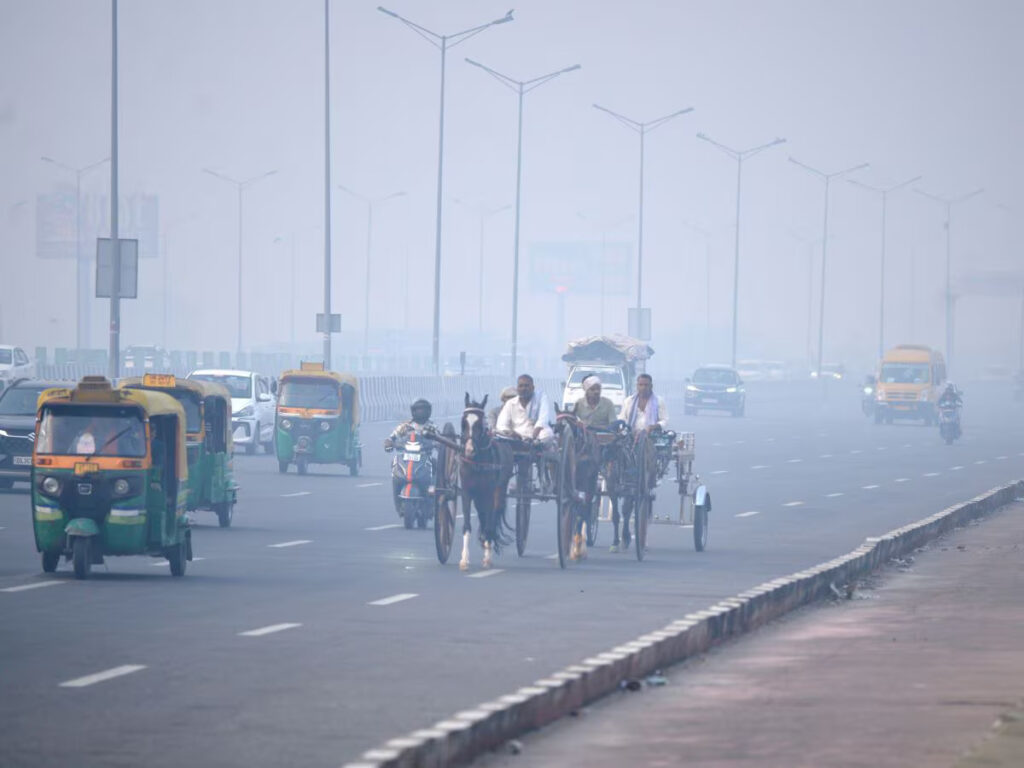
Delhi’s air quality remains poor as the city enters its winter pollution season. On Friday morning, the Air Quality Index (AQI) recorded 242, marking the fourth consecutive day in the ‘poor’ category. Thursday’s 24-hour average AQI stood at 245, according to official data, while limited areas saw readings cross 301, entering the ‘very poor’ range.
Transport emissions remain the largest contributor, accounting for 18.7 percent of total pollution, according to the Decision Support System. Experts warn that no immediate relief is expected. The Air Quality Early Warning System forecasts similar AQI levels for the coming days, suggesting that residents will continue to face challenging air conditions.
The city’s struggle with winter pollution typically begins with the onset of cold weather, combined with stubble burning in neighboring states. The Diwali festival further compounds the problem with increased emissions from firecrackers. Despite this, Delhi managed a long streak of clean air from June 11 until last week, aided by monsoon rains and winds that temporarily dispersed pollutants.
Meanwhile, the Supreme Court has permitted the sale and use of green firecrackers in Delhi-NCR. The Delhi government will strictly enforce the court’s conditions, including designated sale points and patrol teams to monitor compliance. Authorities held multiple meetings with green cracker manufacturers, traders, relevant secretaries, the Municipal Corporation of Delhi (MCD), and Delhi Police to finalize an enforcement plan.
The apex court allowed the use of green crackers during specific hours: 6 am to 7 am and 8 pm to 10 pm on the day before Diwali and on the festival day. Officials emphasized that this relaxation applies only on a “test case basis” for the specified period. The Delhi government pledged strict implementation, coordinating with stakeholders to ensure compliance.
Experts have urged caution as pollution levels rise. Vulnerable populations, including infants, children, pregnant women, older adults, and those with asthma, COPD, or heart disease, face the highest risks. Doctors and environmentalists have advised minimizing outdoor exposure, using air purifiers indoors, and following official air quality updates.
Residents are already noticing the effects of poor air. Visibility has reduced in several parts of the city, and the smog has started to blanket residential and commercial areas alike. Schools and hospitals have been advised to prepare for possible health emergencies, particularly for patients with respiratory issues.
As winter deepens, combined with stubble burning and Diwali festivities, Delhi faces a challenging few weeks ahead. Officials continue to stress public awareness, urging citizens to limit firecracker use, reduce vehicular emissions, and adhere to safety measures. With coordinated government action and citizen cooperation, authorities hope to mitigate the worst effects of the season’s rising pollution.
In the coming days, monitoring systems will track AQI levels closely. Citizens are encouraged to check area-wise readings, plan outdoor activities accordingly, and follow health advisories. Delhi’s winter air quality may remain poor, but proactive measures and adherence to regulations can help reduce its impact on public health.