SC questions Centre, Ladakh over Sonam Wangchuk’s detention case
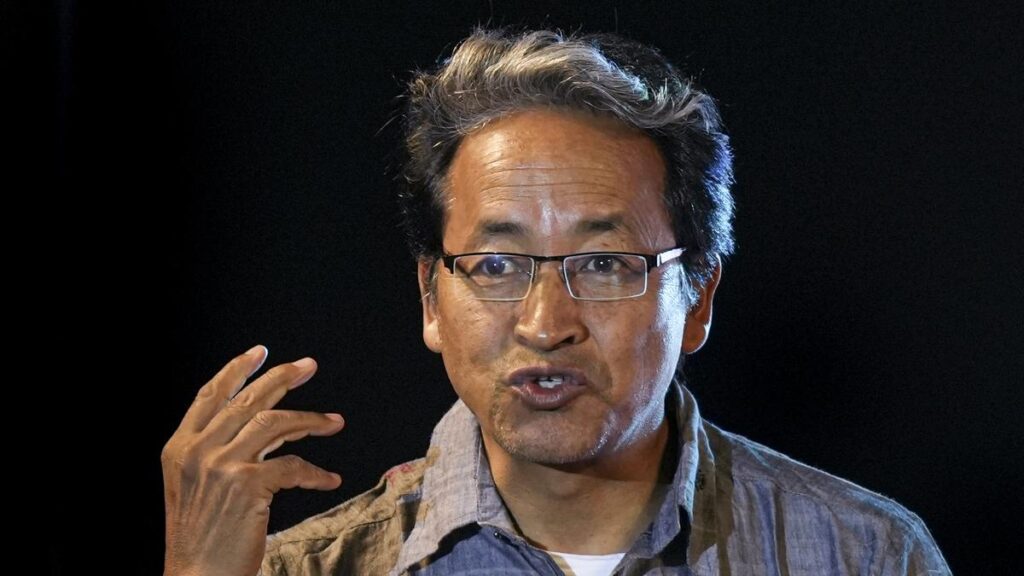
The Supreme Court on Monday asked the Union government and the Ladakh administration to respond to a petition by Gitanjali Angmo, wife of Ladakhi reformer Sonam Wangchuk, challenging his detention under the National Security Act (NSA). The court also issued notices to the Centre, Ladakh authorities, and Jodhpur Central Jail, where Wangchuk is lodged, and scheduled the hearing for October 14.
Senior advocate Kapil Sibal, appearing for Angmo, demanded the immediate release of detention grounds to Wangchuk’s family. He argued that authorities ignored repeated requests, blocking her right to challenge the order. “Family members must receive the detention grounds. The wife cannot even meet him,” Sibal said.
Solicitor General Tushar Mehta, representing the Centre, said the plea aimed to “create hype” around the detention. He maintained that authorities followed all legal procedures and that no rights were violated. “We have complied with the law. Let’s not dramatize the issue,” Mehta stated. He added that the government would examine whether to share a copy of the detention order with Angmo but stressed that the NSA mandates communication only to the detainee.
The bench of Justices Aravind Kumar and NV Anjaria questioned both sides about the legal provisions. They noted that Section 8 of the NSA requires the grounds to be communicated to the detainee, not relatives. The bench decided to wait for replies from the Centre and Ladakh before passing further directions. “We will hear all parties next week and decide,” the judges said, declining interim relief.
However, the court directed officials to ensure Wangchuk’s medical care in prison. “The detainee must receive necessary medical treatment as per prison rules,” the order stated.
Authorities detained Wangchuk on September 26 after protests in Leh turned violent, leaving four civilians dead and several injured. Officials accused him of provoking unrest through speeches referencing “self-immolation.” They claimed his statements threatened public order.
Angmo’s petition called the detention “illegal” and accused officials of launching a “false campaign” to discredit her husband’s peaceful, Gandhian movement. She argued that labeling environmental activism as anti-national set a dangerous precedent. Wangchuk, a Ramon Magsaysay awardee, gained recognition for promoting sustainable education and eco-friendly innovations supporting the Indian Army.
Currently on hunger strike, Wangchuk declared he would stay in jail until an independent judicial inquiry investigates the Leh violence. In a letter from Jodhpur jail, released on October 5, he urged Ladakhis to continue their struggle peacefully and follow Gandhian non-violence.
Under the NSA, authorities can detain a person without charges for up to 12 months if they believe the person threatens public order or national security. The law allows initial detention for three months, extendable upon review by an advisory board comprising high court judges. Grounds for detention must be shared with the detainee within 15 days, allowing them to submit a representation to the government.
The Supreme Court’s next hearing will determine whether Wangchuk’s detention violated these legal safeguards and whether his family can access the full details of his arrest.