Suresh Kalmadi dies at 81, and India revisits a complex political and sports legacy
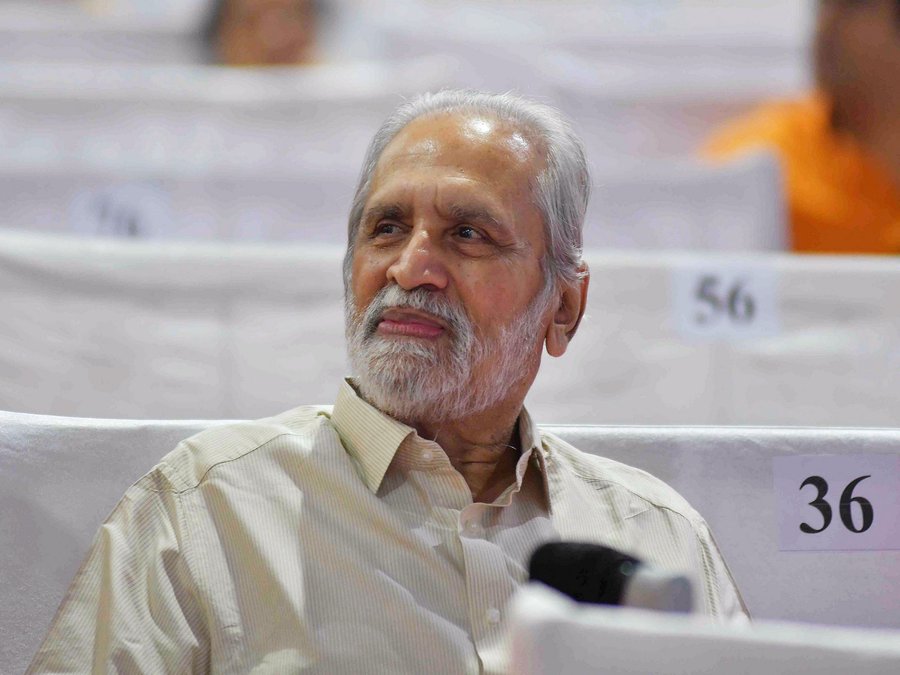
Suresh Kalmadi died in Pune at 81 after a long illness. Doctors treated him at Deenanath Mangeshkar Hospital, and his family stayed by his side. His office announced plans for the last rites and invited friends and supporters to pay respects. The family now prepares for a quiet farewell while many in politics and sports reflect on his journey.
First, the background. Kalmadi rose from Pune’s political scene and built strong networks inside the Congress party. Voters elected him to the Lok Sabha several times. He worked hard to strengthen his base and often spoke about development and sports infrastructure. Later, the central government gave him responsibility. He served as minister of state for railways and pushed several projects with ambition and urgency.
At the same time, Kalmadi cultivated deep links with sports administration. He led the Indian Olympic Association for years and shaped key decisions. Coaches, athletes, and federations often approached him for support. He promised funding, better training exposure, and stronger national programs. As India aimed for more medals, he positioned himself as a steady voice in the system.
However, the Commonwealth Games controversy changed everything. Allegations of corruption shook public trust. Investigators opened multiple cases. Authorities arrested Kalmadi in April 2011 and questioned his role. The Congress then suspended him and sent a clear signal about accountability. The episode damaged his image and triggered sharp debate about transparency in sports.
Even then, supporters defended him. They argued that political rivalry fueled many claims. They also highlighted his years of contribution. Meanwhile, critics demanded reform and called for tighter rules. The tension grew as sports bodies struggled with credibility.
Then came another twist. In 2016, several members of the Indian Olympic Association chose Kalmadi and Abhay Singh Chautala as life presidents. The decision sparked outrage. The Union sports minister called for an inquiry. Public anger intensified. Sensing the moment, Kalmadi stepped back. He wrote to the IOA leadership and declined the role, saying the timing did not suit the organization or the country.
Earlier this year, the legal story reached a turning point. A Delhi court reviewed the Enforcement Directorate’s closure report. The court found no evidence of money laundering and closed the matter. The ruling effectively gave Kalmadi relief after years of scrutiny. Supporters welcomed the decision. Critics, however, kept the conversation focused on governance and reform.
Today, Kalmadi leaves behind a large family: his wife, children, and grandchildren. They remember a leader who worked with intensity and stayed deeply involved in public life. Meanwhile, political colleagues and sports officials offer condolences and revisit his record.
Ultimately, Kalmadi’s life tells a broader story about power, ambition, and accountability in Indian public life. He built influence, shaped institutions, and faced serious questions. Now, as tributes arrive and the city of Pune prepares to say goodbye, India looks back — not only at one man’s career, but also at the systems he helped shape and the lessons they still demand.