
Mumbai region sees fresh CNG price increase as rates rise by Rs 2/kg
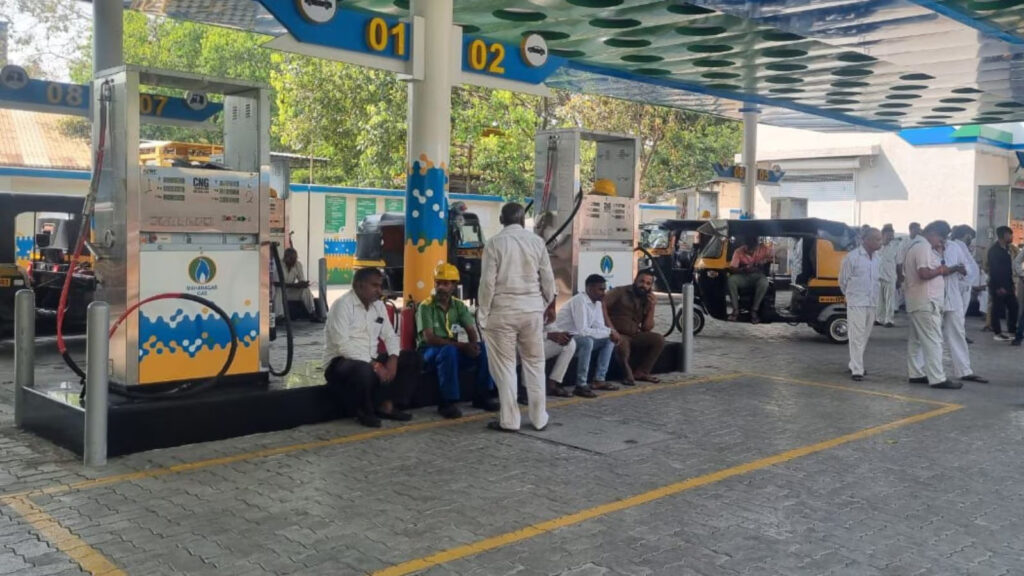
Residents across Mumbai and nearby cities will now pay more for compressed natural gas as fuel costs continue to climb. The latest increase has pushed CNG prices higher across the Mumbai Metropolitan Region, adding to concerns among daily commuters, taxi drivers, auto-rickshaw operators, and transport businesses.
The revised rates came into effect immediately. As a result, consumers in Mumbai, Thane, Navi Mumbai, and surrounding areas now face higher fuel expenses. The increase marks the second upward revision within a few weeks, signaling continued pressure in the energy market.
On the ground, transport operators say the rising fuel bill could affect their earnings. Many taxi and auto-rickshaw drivers depend on CNG because it remains cheaper than conventional fuels. However, repeated price increases have started narrowing that advantage. Several drivers now worry about shrinking margins as operating costs continue to rise.
The impact could extend beyond individual vehicle owners. Transport companies, delivery services, and small businesses that rely on CNG-powered fleets may also face higher expenses. Consequently, some operators may review fares or service charges to offset rising fuel costs.
Meanwhile, Mumbai is not alone in witnessing fuel revisions. Similar increases have emerged in other major cities in recent weeks. Delhi, in particular, has recorded multiple CNG price hikes within a short period. The trend reflects broader challenges facing the energy sector as global markets remain volatile.
Industry observers link the recent revisions to developments in international energy markets. Rising crude oil prices have increased concerns among fuel distributors and importers. In addition, geopolitical tensions in key oil-producing regions have created uncertainty over future supplies.
One major area of focus remains the Strait of Hormuz, a crucial maritime route through which a significant share of the world’s oil shipments passes. Any disruption in the region can influence global energy prices and affect importing nations such as India.
India depends heavily on imported crude oil to meet its energy needs. Therefore, fluctuations in international markets often influence domestic fuel pricing. When global costs rise, fuel distributors frequently face additional pressure to balance procurement expenses and maintain supply networks.
Despite the latest increase in CNG rates, household consumers have received some relief. Authorities have not announced changes in the prices of piped natural gas supplied to homes. Domestic LPG cylinder prices have also remained stable for now.
Economists believe sustained fuel inflation could have wider implications. Higher transportation costs often affect the movement of goods across cities and states. Consequently, businesses may face increased logistics expenses. Over time, those costs can influence the prices consumers pay for everyday products, including food and essential items.
Government officials and industry stakeholders continue to monitor market conditions closely. Their focus remains on maintaining fuel availability while managing the impact of global price movements.
For commuters across Mumbai’s busy roads, however, the immediate concern is straightforward. Another rise in CNG prices means higher travel costs at a time when household budgets already face pressure from broader inflationary trends. As global energy markets remain uncertain, many consumers now wait to see whether prices stabilize or continue their upward march in the weeks ahead.