US launches fresh strikes near Strait of Hormuz, downs iranian drones amid tense talks
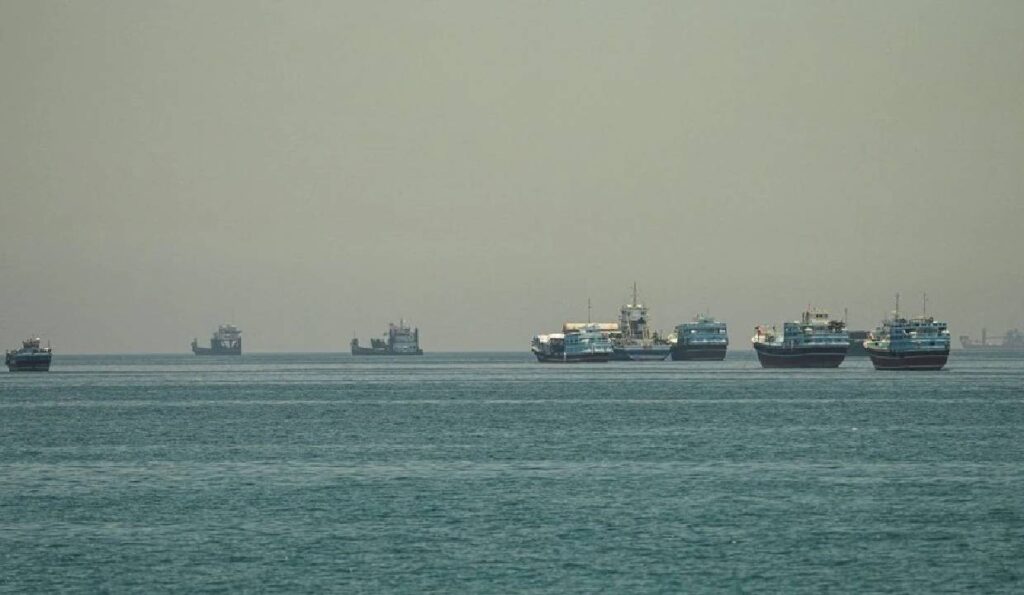
Fresh military action unfolded in the Gulf region overnight after the United States carried out new strikes inside Iran targeting what American officials described as a growing threat near the Strait of Hormuz. The operation came at a sensitive moment as diplomatic negotiations continued behind closed doors to prevent a wider regional conflict.
According to US officials, American forces targeted a military-linked site that intelligence agencies believed could threaten US troops and commercial shipping routes moving through the strategic waterway. Officials also confirmed that the US military intercepted and destroyed several Iranian drones during the same period after detecting what they described as hostile movement near maritime routes.
The latest developments added another layer of tension to an already volatile situation in West Asia. Since fighting erupted earlier this year, oil markets, shipping companies and regional governments have remained on edge over possible disruptions in the Strait of Hormuz, one of the world’s busiest energy corridors.
Residents in several Gulf cities closely monitored overnight military activity as reports of aerial movement spread across local media and online platforms. Maritime tracking agencies also increased monitoring operations in the region after commercial vessels reported heightened security alerts near shipping lanes.
The United States has repeatedly argued that its recent military actions aim to protect navigation routes and prevent attacks on allied forces stationed across the Gulf. However, Iran continues to accuse Washington of escalating tensions through direct military involvement.
The conflict entered a dangerous phase nearly three months ago after coordinated American and Israeli military operations triggered a broader confrontation with Iran and its regional allies. Since then, thousands of people have died across multiple fronts, while energy prices witnessed repeated spikes due to fears of supply disruptions.
American officials described the latest strikes as preventive action rather than an expansion of military operations. They claimed intelligence inputs linked the targeted sites to activities that could threaten both military personnel and civilian maritime traffic.
Earlier this week, the US military also launched strikes against locations connected to missile systems and naval activity. American Central Command stated that those operations focused on boats allegedly preparing to deploy naval mines and launch equipment near key routes in the Gulf.
Iran, meanwhile, criticised those operations and accused Washington of violating the fragile ceasefire framework currently under discussion through international mediators. Iranian leaders also warned against further military pressure during ongoing negotiations.
Meanwhile, political attention also turned toward the future control of the Strait of Hormuz after Iranian state media floated the possibility of joint shipping management involving Oman. The proposal immediately triggered international reactions because nearly one-fifth of global oil trade moves through the narrow passage.
However, US President Donald Trump rejected that suggestion during comments on Wednesday. He insisted that international shipping through the Strait of Hormuz would remain open and free from any exclusive regional arrangement.
Global markets continued reacting cautiously to every military and diplomatic update emerging from the region. Energy traders closely tracked crude oil prices throughout the day as fears of wider disruption persisted.
Security experts also warned that even limited military exchanges near the Strait of Hormuz could quickly affect international trade routes, insurance costs and fuel supplies across Asia, Europe and North America.
Despite ongoing negotiations, fresh military operations now underline how fragile the situation remains. Diplomats continue efforts to secure a broader agreement, yet overnight strikes and drone interceptions once again highlighted the risk of sudden escalation across the Gulf region.