India pushes back against China-Pak joint statement over Kashmir
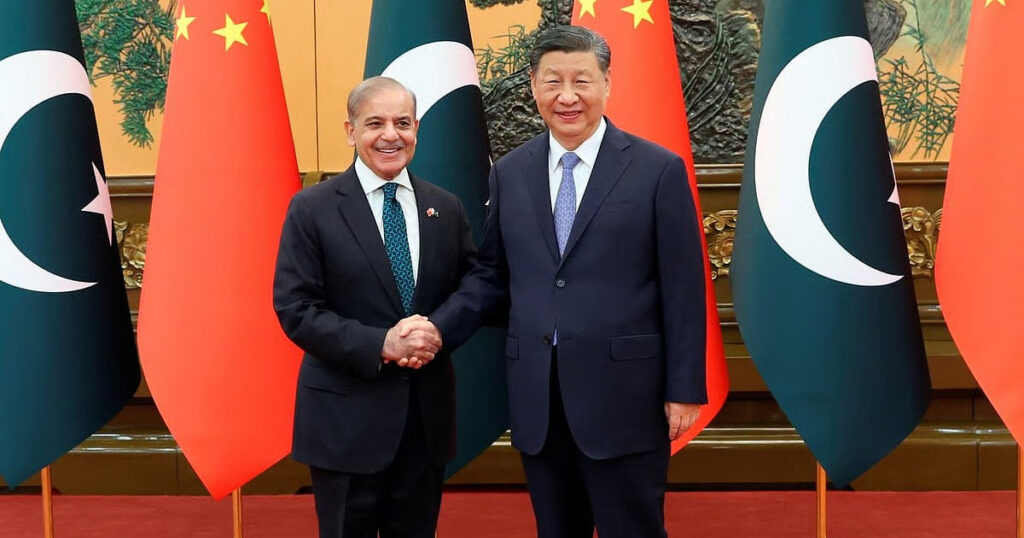
India on Tuesday strongly opposed fresh remarks on Jammu and Kashmir that appeared in a joint statement issued by China and Pakistan. New Delhi said both Jammu and Kashmir and Ladakh remain inseparable parts of India and no foreign nation holds any right to comment on the matter.
External Affairs Ministry spokesperson Randhir Jaiswal delivered the response while addressing media questions in the capital. He said India completely rejects what it called unnecessary references to Jammu and Kashmir in the joint declaration released after talks between the two neighbouring countries.
The statement once again placed focus on the long-running regional dispute that often shapes diplomatic exchanges in South Asia. India maintained that its stand has remained unchanged for years. Officials stressed that the constitutional status of Jammu and Kashmir and Ladakh remains an internal matter and outside interference will not alter that position.
Meanwhile, the government also criticised projects linked to the China-Pakistan Economic Corridor. Indian authorities argued that several projects under the corridor pass through territory that India claims as its own. New Delhi said it firmly opposes any attempt that could strengthen Pakistan’s control over those areas or undermine India’s territorial claims.
Officials added that India has repeatedly communicated these concerns to both Beijing and Islamabad through diplomatic channels. According to the government, such projects ignore India’s sovereignty concerns and create further tensions in an already sensitive region.
The latest exchange also brought attention to water cooperation mentioned in the China-Pakistan statement. India questioned the reference and argued that the two countries do not share a direct border in the region linked to the discussion. Because of that, Indian officials dismissed the idea of so-called trans-boundary water cooperation mentioned in the statement.
At the ground level, people in border districts continue to closely watch every diplomatic development between the three countries. Residents in parts of Jammu and Kashmir often face uncertainty whenever tensions rise in the region. Security forces also maintain heightened vigilance along sensitive areas near the Line of Control.
India further reiterated that it never accepted the boundary agreement signed between China and Pakistan in 1963. New Delhi has long argued that the agreement lacks legitimacy because Pakistan handed over territory that India considers its own.
The latest diplomatic pushback reflects the continuing strain in relations among the three countries. Even as regional powers discuss trade and connectivity, the issue of Jammu and Kashmir continues to remain at the centre of strategic and political disagreements in the region.