
Your diet may influence anxiety more than you think, experts say
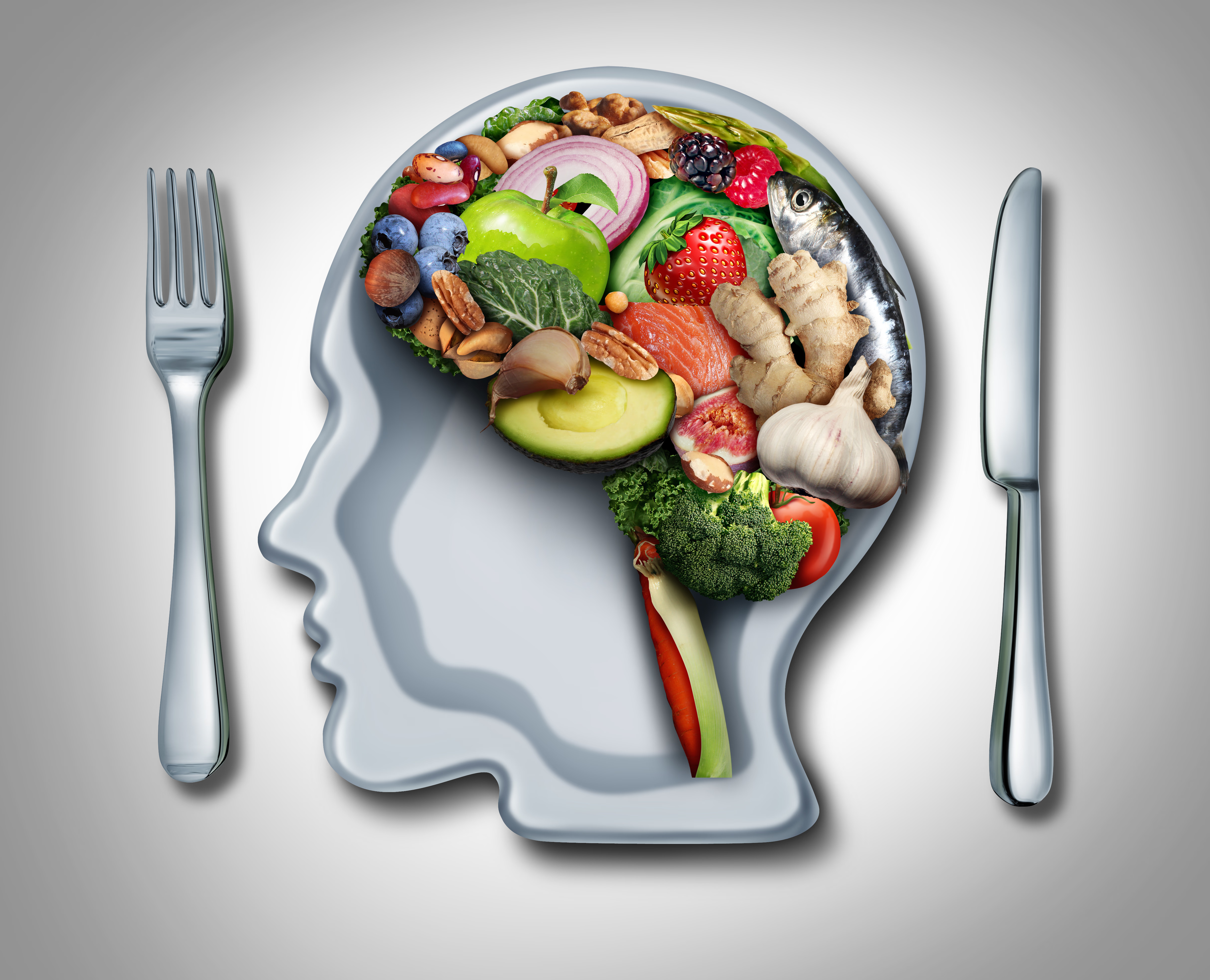
Doctors and nutrition experts increasingly point toward a strong connection between food habits and mental wellbeing. While many people treat anxiety as only an emotional or psychological issue, researchers now focus closely on the relationship between the gut, brain, and daily nutrition.
According to Kunal Sood, food choices can directly affect how the body responds to stress, regulates mood, and manages anxiety symptoms. In a recent social media discussion, the physician explained how gut health and inflammation play a major role in emotional balance.
Health experts often describe the gut as the body’s “second brain” because of its direct communication with the nervous system. Scientists call this link the gut-brain axis. When digestion and gut bacteria stay healthy, the brain may respond better to stress. However, unhealthy eating habits can disturb that balance.
Dr Sood explained that alcohol creates one of the biggest hidden problems for people struggling with anxiety. While drinking may initially create relaxation, the effect often disappears quickly. Afterwards, anxiety levels can rise sharply.
Doctors refer to this reaction as rebound anxiety. According to specialists, frequent alcohol use may intensify stress symptoms over time rather than reduce them. Many young adults and working professionals rely on alcohol during stressful periods without realising it can worsen emotional instability later.
Processed foods also remain under the spotlight. Nutrition experts say diets packed with refined sugar, packaged snacks, and heavily processed meals can trigger inflammation inside the body. Inflammation not only affects physical health but also influences mood and brain function.
In busy urban areas, doctors increasingly notice unhealthy food routines among office workers, students, and late-night shift employees. Fast food, sugary drinks, and irregular meal schedules have become common lifestyle habits. Mental health specialists now warn that such patterns may quietly contribute to rising anxiety levels.
On the other hand, several foods may support emotional wellbeing naturally.
Dr Sood highlighted the benefits of omega-3 fatty acids found in fish, walnuts, and flaxseeds. These nutrients support brain health and help control inflammation. According to medical studies, even small daily amounts may help reduce anxiety symptoms in some people.
Experts also encourage probiotic-rich foods because healthy gut bacteria support emotional stability. Fermented foods like yoghurt, kefir, kimchi, and pickled vegetables help maintain a balanced digestive system, which may improve stress management.
Across Indian households, traditional foods such as homemade curd, fermented rice dishes, and fibre-rich meals already form part of regular diets. Nutritionists believe these foods naturally support gut health and may offer long-term mental health benefits when combined with balanced eating habits.
Doctors also point toward smaller dietary additions that may help calm the nervous system. Dark chocolate with high cocoa content, chamomile tea, and turmeric continue gaining popularity for their anti-inflammatory and stress-relieving properties.
Meanwhile, health professionals stress that food alone cannot replace medical treatment for serious anxiety disorders. However, experts increasingly recommend nutrition as an important part of a broader mental wellness plan alongside therapy, sleep, exercise, and professional support.
The growing discussion around nutrition and anxiety reflects a larger shift in healthcare thinking. More doctors now encourage people to examine not only their emotional triggers but also what reaches their plate every day.
As awareness grows, many people slowly recognise that mental wellbeing may begin not only in the mind, but also in the gut.