US strikes near Bandar Abbas as Trump issues fresh Uranium warning to Iran
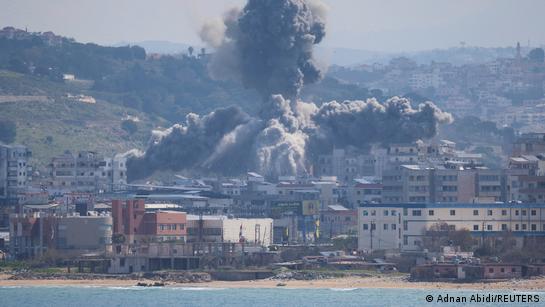
Tensions between the United States and Iran climbed again after fresh American military strikes hit areas near the strategic Iranian port city of Bandar Abbas. The attacks came at a sensitive moment as senior Iranian officials held talks in Doha over a possible path to end months of conflict involving the US and Israel.
The US military said it carried out the operation to protect American forces in the region. Officials from United States Central Command stated that the strikes targeted missile launch positions and boats that allegedly attempted to place naval mines in Gulf waters.
American officials described the action as defensive. However, the development immediately raised fears of another escalation across the Middle East, especially around the Strait of Hormuz, one of the world’s most critical oil shipping routes.
Residents near Bandar Abbas reported hearing several explosions late at night. Iranian state-linked outlets also confirmed unusual activity around military zones and the city’s airport. Soon after the blasts, Iran activated air defence systems in the region.
Bandar Abbas carries major strategic value for Tehran. The coastal city hosts important naval and air force facilities and sits directly along the narrow maritime passage that handles a large share of global energy shipments. Any instability there quickly affects international oil markets and shipping movement.
Iranian media outlets also reported security alerts near Sirik and Jask, two locations positioned along the Persian Gulf coastline. Earlier, Iranian military sources claimed they had intercepted and destroyed a hostile drone over Gulf waters.
Despite the latest military action, diplomatic discussions continued in Doha. Iran sent a high-level delegation that included senior negotiator Mohammad Bagher Ghalibaf, Foreign Minister Abbas Araghchi, and Central Bank Governor Abdolnaser Hemmati.
Talks reportedly focused on reducing military tensions, securing Gulf shipping routes, and discussing Iran’s enriched uranium reserves. Financial negotiations also formed part of the discussions, especially over frozen Iranian funds held abroad.
However, Iranian officials signalled that a final agreement still remains distant. Government spokespersons admitted negotiators made some progress but stopped short of predicting a breakthrough.
Meanwhile, Tehran’s political tone hardened after the strikes. Newly appointed security chief Mohammad Bagher Zolghadr declared that Iran would not retreat in its confrontation with the United States and Israel. His statement reflected growing pressure inside Iran from hard-line groups that oppose concessions during ongoing negotiations.
The conflict has already rattled global markets for months. Traders and shipping companies continue to watch developments around the Strait of Hormuz closely because even limited military action there can disrupt oil exports and raise fuel prices worldwide.
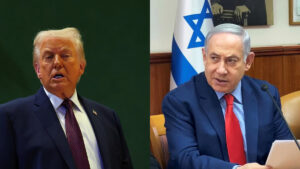
Hours after the strikes, Donald Trump added another layer of pressure with a strong warning on Iran’s uranium stockpile. In a social media statement, Trump said Iran should either transfer its enriched uranium to the United States for destruction or destroy the material under international supervision.
The statement immediately triggered fresh debate among diplomatic observers because Trump did not clarify whether the demand formed part of a larger peace framework under discussion in Doha.
Trump also renewed support for expanding the Abraham Accords. He urged several Muslim-majority nations, including Saudi Arabia, Qatar, Turkey, and Pakistan, to join regional normalisation efforts linked to Israel.
Still, opposition to those agreements remains strong across parts of the Middle East. Many regional governments continue to insist that lasting peace cannot move forward without a clear solution to the Palestinian issue.
On the ground, uncertainty continues to dominate. Diplomats push negotiations inside meeting rooms while military forces remain active across Gulf waters. The next few days may decide whether the region moves toward another dangerous confrontation or a fragile diplomatic settlement.