Gold, silver duty increase triggers fresh worries across jewellery and currency markets
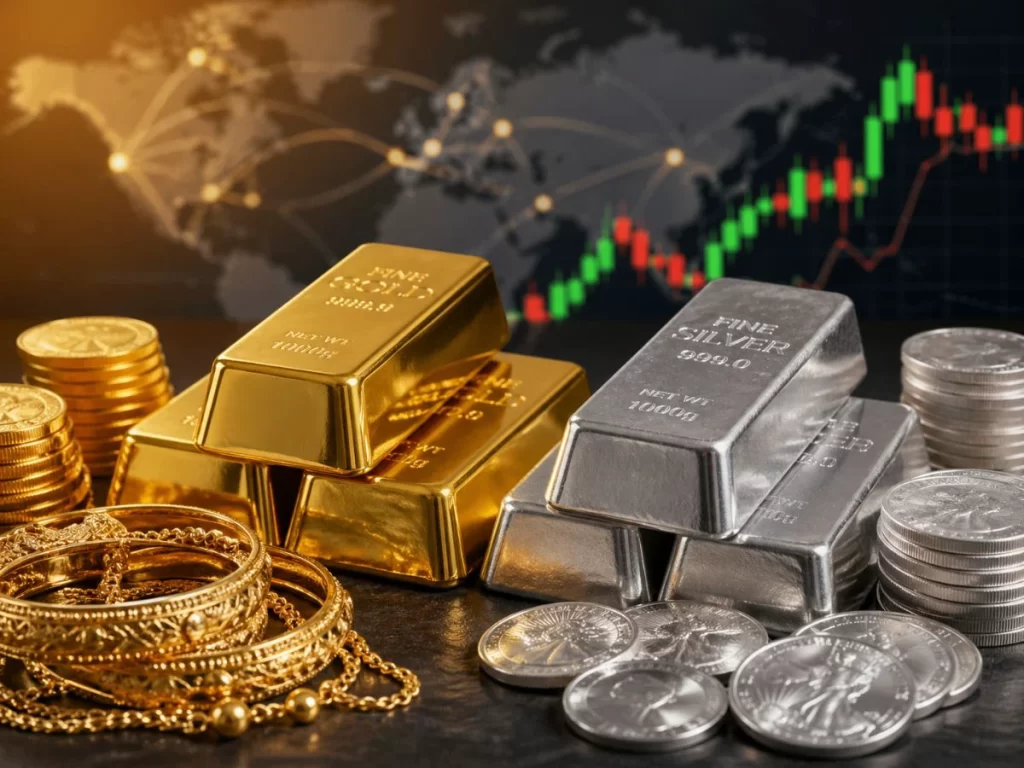
India’s decision to raise import duties on gold and silver has started affecting multiple corners of the economy, from jewellery markets and currency trading to investor sentiment and household spending. Traders, jewellers and buyers across major cities now expect sharper price increases in the coming weeks as the impact of the policy gradually spreads through the market.
The government introduced the higher duties to reduce pressure on foreign exchange reserves and slow precious metal imports. India remains one of the world’s largest consumers of gold, especially during festivals and wedding seasons when demand rises sharply.
However, the immediate market reaction remained mixed. Domestic gold prices moved up after the announcement, but many traders noticed that prices did not rise as sharply as expected during the first few days.
Jewellers in cities like Delhi, Mumbai and Ahmedabad said older inventories purchased before the duty increase helped cushion the early impact. As a result, several stores continued selling jewellery at relatively stable rates to avoid losing customers during the ongoing marriage season.
Still, market participants believe this temporary relief may not last long. Once existing stocks run out, retailers will likely pass the full cost increase to buyers.
Inside jewellery markets, customers already appear more cautious. Some families have reduced purchase sizes, while others now prefer lighter ornaments instead of traditional heavy sets. Shop owners also reported slower footfall in certain wholesale markets after prices turned volatile.
Meanwhile, analysts have started monitoring the impact on exchange-traded funds linked to gold and silver. Concerns have grown around silver supply because import restrictions and rising investor demand could create tighter availability in the market.
Financial experts say sudden spikes in buying activity may widen ETF premiums, especially in silver products where supply chains face greater pressure. Gold may remain relatively stable because of deeper reserves and broader market liquidity.
Beyond domestic demand, global economic trends continue shaping price movements. Investors closely watch interest rate decisions in the United States, central bank policies and fluctuations in the dollar-rupee exchange rate.
Oil prices have also emerged as a major factor. Rising crude costs often increase inflation fears, and many investors traditionally move toward gold during uncertain economic periods.
At the same time, the Indian rupee has slipped to record lows against the US dollar, adding fresh pressure on bullion prices. A weaker rupee automatically increases the cost of imported gold and silver, making jewellery even more expensive in the domestic market.
Currency traders this week saw the rupee approach the 97-per-dollar level before recovering slightly. Even then, the currency remained under pressure, reflecting wider concerns around imports and capital flows.
The jewellery industry has now started suggesting alternative solutions. The India Bullion and Jewellers Association proposed mobilising large quantities of idle gold held by temple trusts across the country. Industry leaders argue that domestic reserves could reduce dependence on imports without disrupting ownership rights.
Jewellers also urged traders to avoid speculative buying and focus only on genuine customer demand. Small artisans and daily wage workers in the jewellery sector remain especially vulnerable because reduced purchases directly affect their earnings.
Industry representatives warned that previous duty hikes had encouraged smuggling, disrupted trade and increased financial stress for businesses. Many traders now fear similar challenges could return if prices continue rising rapidly.
Despite short-term uncertainty, analysts still expect long-term demand for gold and silver to remain strong. Inflation fears, global tensions and economic uncertainty continue driving investors toward precious metals as safer assets.