
Rising Gold prices fail to slow demand as Indian buyers continue investing
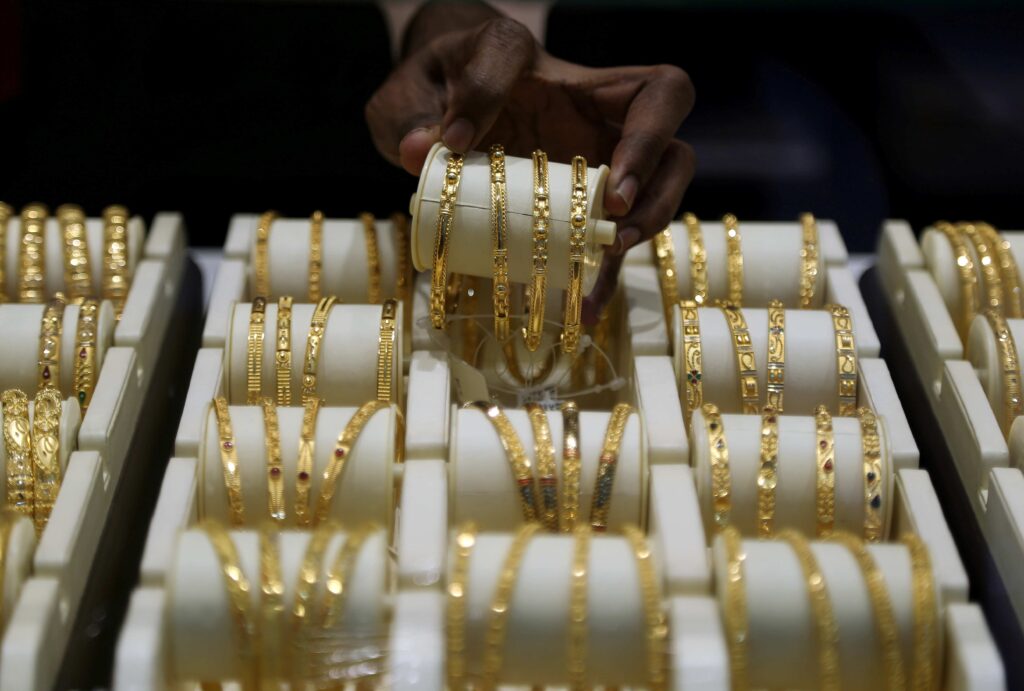
Gold continues to attract Indian buyers despite repeated price increases across domestic markets. From jewellery stores in metro cities to small bullion shops in towns, customers still prefer gold as one of the safest long-term investment options. Traders say demand remains steady because many families continue to view gold as both financial security and cultural value.
Across India, buyers purchase gold not only for ornaments but also for coins, bars and decorative items. During wedding seasons and festivals, jewellery stores witness heavy footfall even when prices climb sharply. Market experts say emotional attachment toward gold plays a major role in sustaining demand.
In cities like Delhi, Mumbai, Chennai and Kolkata, local jewellers track daily fluctuations closely as rates continue changing almost every day. The variation often depends on international market movement, currency exchange rates and domestic demand levels.
Before investing, buyers usually compare 24-carat and 22-carat gold. Pure 24-carat gold contains almost no mixed metals and mainly suits coins and investment products. Meanwhile, jewellers prefer 22-carat gold for ornaments because manufacturers mix small amounts of metals such as copper or silver to improve durability.
On the ground, many customers now ask more questions before making purchases. Jewellery store owners say buyers increasingly check purity certificates, making charges and daily rate charts before finalising deals. Young investors also show rising interest in digital gold and gold-based investment schemes.
Several economic factors continue to influence gold prices in India. International spot prices remain one of the biggest drivers because India imports large quantities of gold every year. Therefore, any global market movement directly affects domestic rates.
At the same time, the strength of the US dollar also impacts Indian gold prices. When the dollar strengthens globally, import costs often rise for Indian traders. As a result, local market prices increase further.
Inflation adds another layer to the trend.
Financial analysts say many investors shift toward gold during uncertain economic periods because they consider it a safer asset than volatile markets. When inflation rises, people often buy more gold to protect savings from losing value. Consequently, higher demand pushes prices upward again.
Interest rates also influence buying patterns. Lower returns from fixed deposits or traditional savings options sometimes encourage investors to move toward gold. In contrast, stronger banking returns may reduce short-term buying enthusiasm.
Apart from economics, seasonal demand strongly shapes the market. Festivals such as Diwali, Akshaya Tritiya and regional wedding seasons usually trigger fresh buying across the country. During these periods, jewellers often launch promotional offers while customers continue purchases despite higher rates.
Supply conditions also play a crucial role. Import duties, transport costs and international trade conditions affect how much gold enters Indian markets. Any disruption in supply chains can increase pressure on prices locally.
Meanwhile, experts continue advising buyers to study market trends carefully before investing. Many financial planners recommend balancing gold purchases with other investment options instead of relying entirely on one asset class.
Despite sharp fluctuations, gold still holds a unique position in Indian households. For many families, it represents savings, status and security at the same time. That emotional and financial connection continues driving demand, even as prices reach new highs across the country.