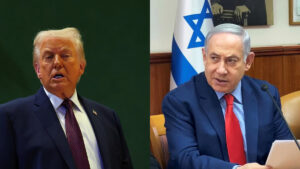
Trump backs Xi’s ‘Declining America’ remark, blames Biden administration
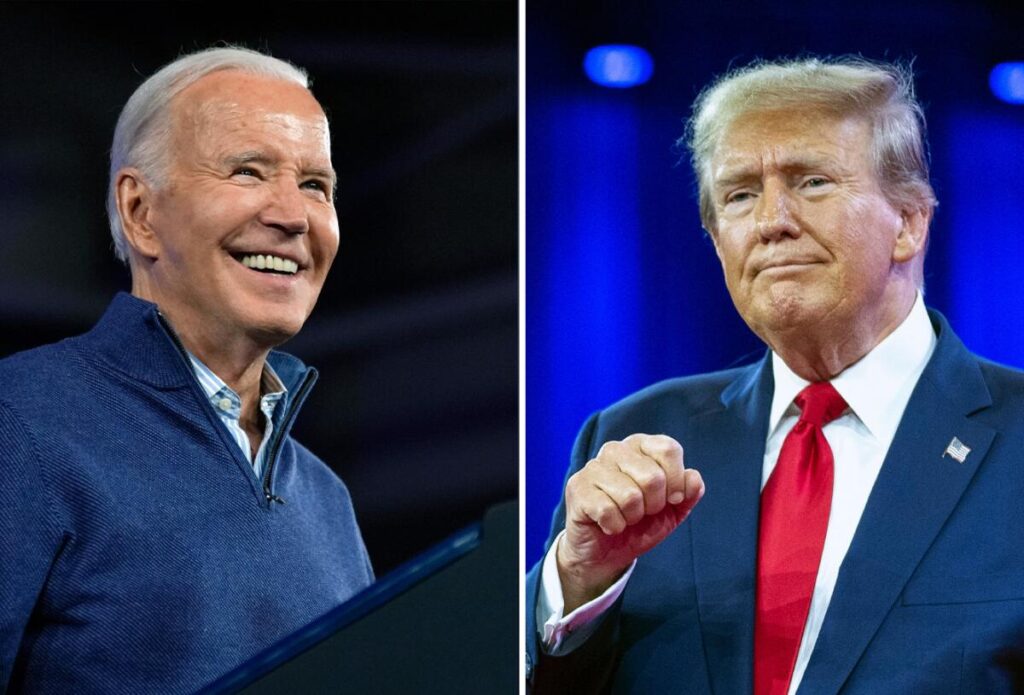
US President Donald Trump stirred fresh political debate on Thursday after he publicly agreed with Chinese President Xi Jinping that the United States had become a “declining nation,” though he blamed that decline entirely on former President Joe Biden and his administration.
In a lengthy post on Truth Social during his Beijing visit, Trump claimed Xi’s remarks referred only to the period under Biden and not to the current White House leadership. He argued that the US suffered major economic and social damage during the previous administration and insisted that his return to office reversed that trend.
Trump sharply criticised Biden-era policies on immigration, taxes and diversity programmes. He also repeated familiar campaign themes related to crime, trade and cultural issues while portraying his presidency as a period of rapid national recovery.
At the same time, Trump claimed the United States now enjoys renewed economic momentum. He pointed to stock market gains, employment growth and foreign investment commitments as proof that the country regained global strength during the first 16 months of his administration.
The comments arrived during a high-profile summit between Trump and Xi in Beijing, where both leaders discussed trade, Iran, Taiwan and broader geopolitical tensions. Although major differences remain between Washington and Beijing, Trump repeatedly described relations with China as stable and improving.
Outside the diplomatic meetings, Trump’s remarks quickly triggered reactions across political circles in the United States. Supporters praised his effort to contrast current economic conditions with the Biden years. Critics, however, accused him of echoing rhetoric that benefits China’s narrative about American decline.
In Washington and New York, television panels and political commentators debated whether a US president should publicly endorse such language from a geopolitical rival. Several analysts also noted that Xi frequently uses phrases about “the rise of the East and decline of the West” while discussing global power shifts.
Meanwhile, ordinary Americans continued focusing on economic realities closer to home. Rising prices, housing costs and election-year tensions still dominate conversations across many US cities. Some voters say they feel economic improvement, while others remain frustrated with inflation and political polarisation.
Trump nevertheless maintained an optimistic tone throughout his Beijing visit. He said Xi personally congratulated him on recent policy successes and expressed hope for stronger ties between both nations in the future.
The summit itself carried major global significance because relations between Washington and Beijing remain central to trade, technology and security discussions worldwide. Taiwan, Iran and supply chain competition also continue to shape negotiations between the two powers.
Trump’s remarks about America’s decline ultimately overshadowed much of the diplomatic messaging from the visit. The statement immediately added fuel to America’s already heated political divide as both parties prepare for another intense election season.