Gold, Silver turn costlier as centre raises import duty amid economic pressure
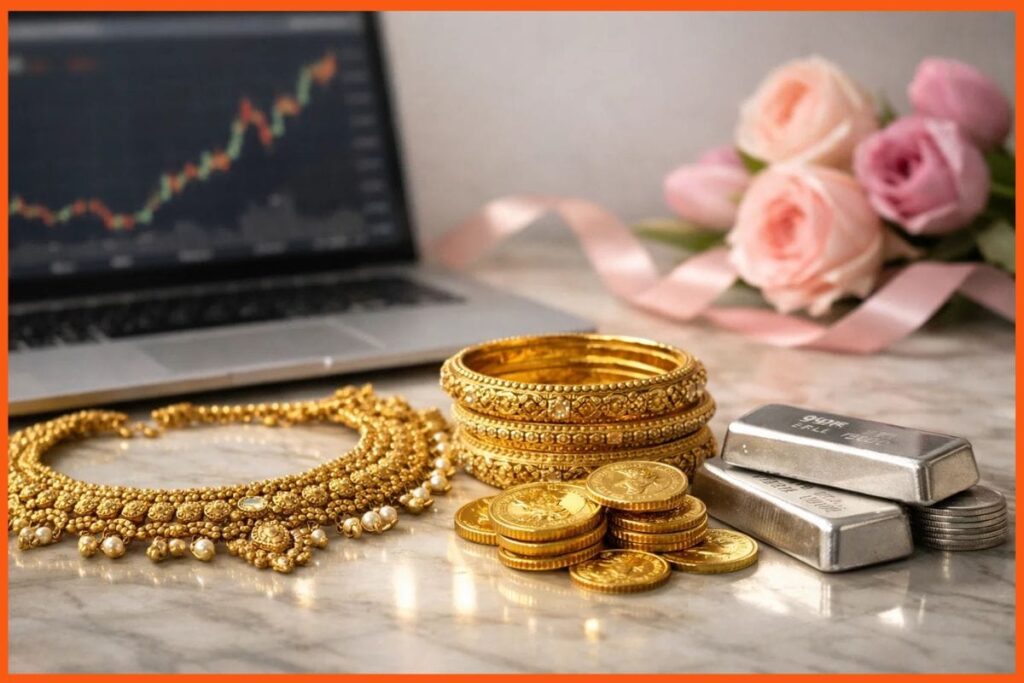
The Centre on Wednesday sharply increased import duties on gold and silver, pushing the total levy to 15 per cent and signalling a tougher economic approach as global tensions continue to strain India’s finances.
The decision came just days after Prime Minister Narendra Modi urged citizens to avoid buying gold for at least a year and adopt austerity measures to help the economy manage rising global uncertainty linked to the Iran conflict.
Under the revised structure, the government imposed a 10 per cent basic customs duty along with a 5 per cent Agriculture Infrastructure and Development Cess. Officials believe the move could reduce imports, narrow the trade deficit and ease pressure on the rupee, which recently slipped to a record low against the US dollar.
Across major bullion markets in Delhi, Mumbai and Chennai, jewellers and traders reacted quickly to the announcement. In several jewellery shops, customers paused purchases and sought revised price estimates before finalising wedding orders.
Many traders expect a slowdown in demand during the upcoming festive and marriage season. Retail buyers already struggle with record-high bullion prices, and the latest duty increase may push costs even higher.
India remains one of the world’s biggest consumers of gold and silver. However, the country depends heavily on imports to meet domestic demand. As global economic uncertainty deepened over the past year, many households shifted money into gold as a safer investment option.
According to industry estimates, investment demand for gold rose sharply while returns from equities remained volatile. Gold exchange-traded funds also witnessed heavy inflows during recent quarters as investors searched for stability.
Bullion associations now fear the latest tax increase could disrupt the market further.
Industry representatives said high prices had already weakened retail sentiment in smaller cities and towns. The additional duty burden may now force middle-class families to cut jewellery purchases, especially during weddings.
At the same time, concerns over illegal gold trade have resurfaced.
Several bullion dealers warned that rising import taxes could revive smuggling networks that had weakened after earlier tariff reductions. Traders believe illegal operators may once again find large profit margins attractive because domestic and international gold prices now show a widening gap.
In Mumbai’s Zaveri Bazaar, some dealers said grey market activity could increase if prices continue climbing in the coming weeks.
The Centre had already tightened gold imports earlier through a 3 per cent integrated GST on bullion imports. That step reportedly slowed fresh shipments and pushed April imports to multi-decade lows.
Now, the fresh duty increase marks another attempt to control foreign exchange outflow as crude oil prices remain elevated globally.
Prime Minister Modi recently appealed to citizens to reduce non-essential spending and conserve economic resources amid fears of prolonged instability in West Asia. Along with discouraging gold purchases, he also advised people to limit unnecessary foreign travel, increase public transport use and prefer locally made products.
Government officials believe lower imports of luxury and non-essential items could help India protect foreign exchange reserves during a volatile global phase.
Meanwhile, economists say the government faces a delicate balancing act.
On one side, authorities want to protect the rupee and control the trade deficit. On the other, high import duties may hurt jewellery demand, encourage unofficial trade and impact businesses linked to bullion sales.
For ordinary buyers, however, the immediate impact appears clear. Wedding jewellery, silverware and investment purchases will likely become more expensive in the days ahead as traders adjust rates after the duty revision.