Trump calls Iran proposal ‘Unacceptable’ as tensions rise again
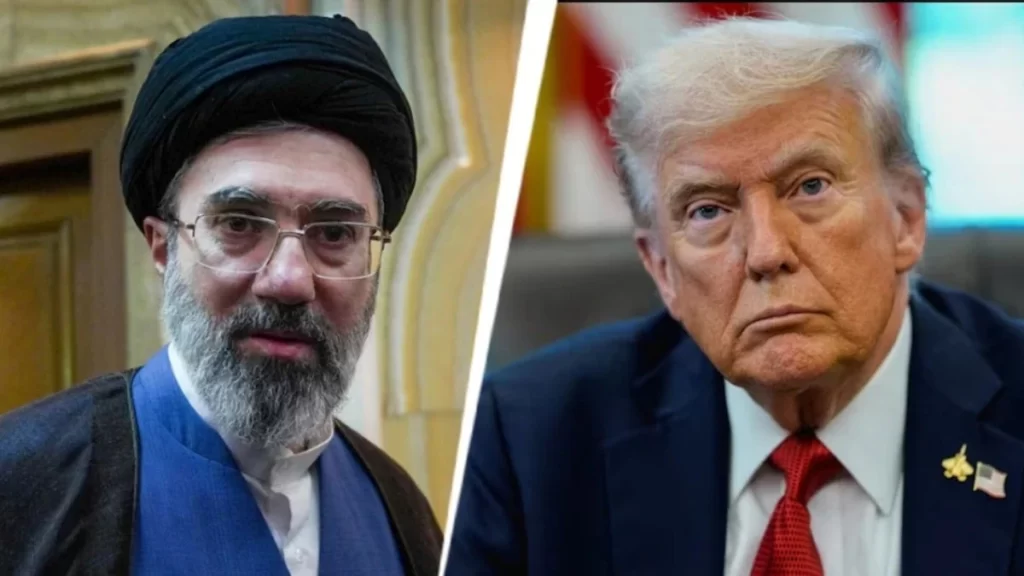
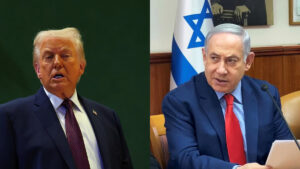
US President Donald Trump on Sunday rejected Iran’s latest proposal to end the ongoing Middle East war and sharply raised tensions after weeks of indirect negotiations.
In a brief message on Truth Social, Trump called Tehran’s response “totally unacceptable.” However, he did not disclose the exact details of Iran’s proposal. His remarks immediately fuelled fears that diplomacy may collapse and military confrontation could intensify again across the region.
The standoff now enters a dangerous phase. For more than two months, conflict across West Asia has disrupted shipping routes, shaken oil markets and pushed global powers into emergency diplomacy.
According to reports from Washington, Iran proposed a conditional arrangement around its enriched uranium stockpile. Tehran reportedly offered to dilute part of the material and transfer the remaining quantity to another country. In return, Iran demanded guarantees that the uranium would return if the US abandoned the agreement later.
Trump refused to entertain the proposal publicly. Instead, he claimed Iran had already suffered military defeat and insisted the US successfully contained Tehran’s nuclear programme.
Later, during an interview with journalist Sharyl Attkisson, Trump adopted an even tougher tone. He warned that the US closely monitors Iran’s nuclear sites through surveillance systems and threatened military action if anyone attempted to move the uranium stockpile.
His comments quickly triggered a fierce response from Tehran.
Iranian leaders declared that the country would never surrender under pressure. State television accused Washington of trying to impose humiliating conditions under the guise of diplomacy. Iranian officials also demanded war reparations, removal of sanctions and full control over the Strait of Hormuz before accepting any wider settlement.
Iranian President Masoud Pezeshkian struck a defiant note on social media. He said dialogue does not mean retreat and insisted Iran would continue confronting its enemies.
Meanwhile, Iran’s leadership signalled military preparedness as well. State media claimed supreme leader Mojtaba Khamenei issued fresh operational instructions to military commanders, although authorities released no further details.
On the ground, anxiety continues to spread across the Gulf region. Shipping companies now reroute vessels, insurance costs continue to rise and oil traders closely track every statement from Washington and Tehran.
In Dubai and Doha, several logistics operators reported delays in cargo movement linked to uncertainty around the Strait of Hormuz. Energy analysts also warned that prolonged instability could further increase fuel prices worldwide.
The Strait remains the biggest pressure point in the crisis. Nearly one-fifth of global oil trade passes through the narrow waterway. Iran earlier imposed restrictions around the route and later introduced a toll mechanism for ships crossing the area.
The United States rejected any Iranian control over the strategic corridor. At the same time, the US Navy intensified operations near Iranian ports and expanded monitoring across Gulf waters.
The confrontation also pulled European powers deeper into the crisis. Britain and France now lead discussions on a future multinational security arrangement in Hormuz after any ceasefire agreement.
However, Tehran warned both countries against sending warships into the region. Iranian Deputy Foreign Minister Kazem Gharibabadi said Iran alone would guarantee security in the strait and promised an immediate response to foreign military deployments.
French President Emmanuel Macron later attempted to lower tensions. He clarified that France had not planned a combat deployment and instead supported a coordinated security framework involving Iran.
At the same time, Israeli Prime Minister Benjamin Netanyahu insisted the conflict cannot end until Iran loses access to enriched uranium and dismantles its nuclear infrastructure completely.
That position now places Washington, Tehran and Tel Aviv on another collision course. As diplomacy weakens and military warnings grow louder, global markets and regional governments brace for another volatile chapter in the Middle East crisis.