As oil shock deepens, PM Modi asks citizens to cut fuel use and avoid gold purchases
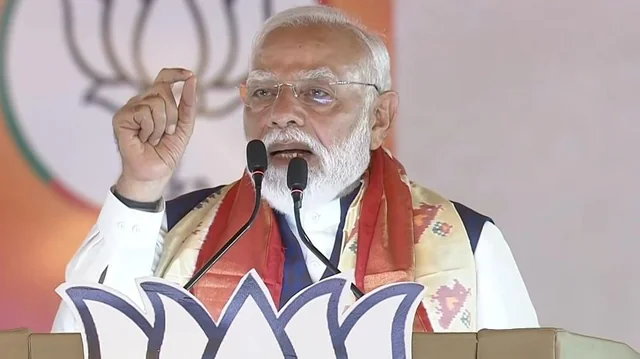
Prime Minister Narendra Modi on Sunday urged Indians to rethink daily spending habits as the global oil crisis tightened pressure on fuel-importing nations. Speaking at a public event in Secunderabad, he asked citizens to revive work-from-home practices, reduce petrol and diesel use and even avoid buying gold for weddings for one year.
His remarks came as tensions in West Asia pushed crude oil prices sharply higher and triggered fresh concerns over inflation, transport costs and fuel supply chains across the world.
Modi linked fuel conservation directly to national interest. He said India spends huge amounts of foreign exchange on crude imports and every litre saved helps the economy during uncertain times.
First, he reminded people about behavioural changes during the Covid years. Then, he pointed to remote work systems that companies and offices adopted during lockdowns. According to him, those systems can again help India reduce fuel demand without disrupting productivity.
“During Corona, people adopted work from home and online meetings. We should restart those practices in national interest,” he said during the address.
Across major cities, many office workers reacted cautiously to the appeal. Employees in Hyderabad, Delhi and Bengaluru said companies now prefer hybrid attendance and full work-from-home may not return easily. However, several commuters admitted rising fuel prices already forced families to cut unnecessary travel.
Outside a petrol pump in South Delhi, cab drivers and delivery workers discussed the possibility of another fuel hike. Some drivers said daily earnings already shrank because of higher maintenance costs and expensive CNG refills. Others feared customers may reduce travel if petrol and diesel prices rise again.
The Prime Minister also surprised many by asking families to avoid purchasing gold for weddings for one year. He argued that India imports large quantities of gold and edible oil, which increases pressure on foreign exchange reserves during global instability.
He urged households to reduce edible oil consumption as well. According to him, lower consumption would support both public finances and family health.
At the same time, Modi expanded the conversation to agriculture. He encouraged farmers to cut chemical fertiliser use and move towards natural farming practices. He said India spends heavily on imported fertilisers and reducing dependence would protect both the economy and the environment.
The comments arrived amid growing speculation over a possible fuel price revision. Government and industry officials indicated that oil marketing companies face heavy financial stress because of soaring international crude prices.
Sources in the energy sector expect petrol and diesel prices to rise within days if crude rates remain elevated. Officials estimate that state-run companies currently absorb major losses to shield consumers from the full impact of global prices.
The current crisis traces back to prolonged conflict in West Asia. Disruptions near the Strait of Hormuz — one of the world’s busiest oil routes — pushed fears of supply shortages across international markets. Several neighbouring countries already introduced emergency measures to control fuel demand.
India, however, avoided visible shortages so far. Officials increased LPG production, diversified crude imports and pushed refineries to operate at high capacity levels. Earlier tax cuts on fuel also helped contain immediate pressure on consumers.
Still, economists warn that sustained high crude prices could affect transport, food inflation and household budgets in the coming months. That explains why the government now focuses not only on supply management but also on public participation.
Modi’s message therefore carried both an economic and symbolic tone. Instead of announcing immediate restrictions, he asked citizens to voluntarily change consumption habits and contribute to what he described as a national effort during a difficult global phase.