1 Year after Pahalgam Attack, leaders renew vow against terror
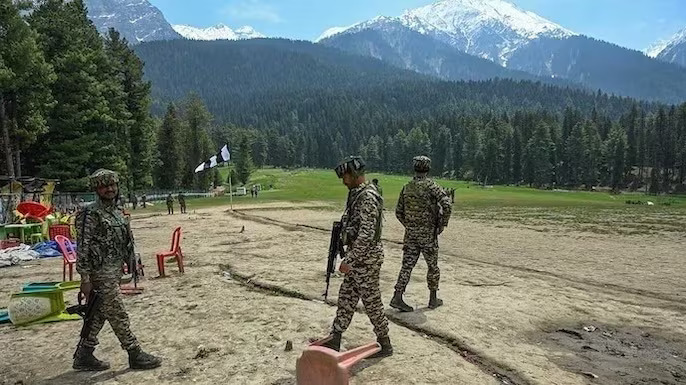
Memories return to the quiet meadows of Baisaran. Then, grief follows. One year ago, terror shattered a peaceful tourist day and killed 26 people. Today, leaders and locals remember the victims and renew their resolve.
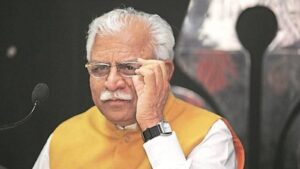
Jammu and Kashmir Chief Minister Omar Abdullah leads the tributes. He recalls the tragedy and stresses unity. He says people must stand together against terror and violence. He also promises firm action to prevent such attacks in the future. At the same time, he expresses solidarity with the families who lost loved ones. His message stays clear: the pain remains, but so does the resolve.
Meanwhile, Lieutenant Governor Manoj Sinha echoes a stronger tone. He declares that the region will not forget or forgive. He calls the attack brutal and vows to eliminate terrorism from the region. He also shares prayers for the victims and their families. His words reflect both anger and commitment.
On the ground, locals in Pahalgam gather quietly. Some light candles. Others stand in silence. Shopkeepers and guides recall that day with unease. A local pony operator says tourists once filled the meadow with laughter. Now, he says, the memory of gunfire still lingers. However, he adds that visitors have slowly returned, and business has started to recover. This shift shows resilience, but scars remain.
At the national level, Union Home Minister Amit Shah reinforces a zero-tolerance policy. He calls terrorism the biggest threat to humanity. He urges unity in the fight against it. He also assures that India will act firmly against those who support terror. His message focuses on strength and deterrence.
Soon after, Prime Minister Narendra Modi adds his voice. He says the nation stands united in grief and determination. He insists that India will never bow to terror. He also states that the plans of terrorists will fail. His remarks underline a broader national stance.
Looking back, the Pahalgam attack marked a turning point. Security forces increased patrols across tourist zones. Authorities introduced tighter checks in vulnerable areas. As a result, officials claim improved vigilance. Yet, experts argue that challenges persist due to the region’s terrain and cross-border threats.
Even so, tourism in Jammu and Kashmir shows signs of revival. Visitors have started returning to valleys and meadows. Local businesses rely on this recovery. Therefore, stability remains crucial for both safety and livelihood.
The anniversary brings both sorrow and determination. Leaders send strong messages. Locals show quiet resilience. Together, they shape a shared response: remember the loss, but resist fear.