Iran pulls out of Pakistan talks, escalates war of words as Hormuz tensions spike
First, Iran steps back from diplomacy. Then, tensions rise sharply across the region. As a result, hopes for extending the fragile ceasefire begin to fade.
On Sunday, Iran confirms it will skip the second round of talks with the United States in Pakistan. State media reports the decision within hours of US President Donald Trump announcing that American negotiators will reach Islamabad on Monday. Initially, officials expect progress. However, Tehran quickly shuts that window.
Iran blames Washington for the breakdown. It cites excessive demands, shifting positions, and repeated contradictions. At the same time, it flags the ongoing US naval blockade as a direct violation of the ceasefire terms. Consequently, Iranian leaders harden their stance.
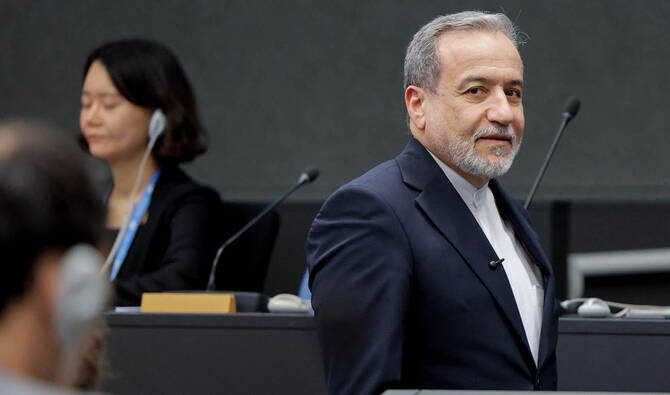
At a high-level meeting, First Vice President Mohammad Reza Aref criticises the US approach. He calls American positions inconsistent and immature. He argues that Washington seeks talks under pressure but changes tone afterward. Therefore, Tehran sees little value in continuing dialogue under such conditions.
Meanwhile, the US pushes ahead with its plan. Vice President JD Vance prepares to travel to Islamabad after leading earlier negotiations. Pakistan strengthens security across the capital in anticipation. Yet, Iran’s absence leaves the effort hanging.
Earlier signals had suggested a different path. Iranian officials had hinted at sending a delegation. Even parliament speaker Mohammad Bagher Qalibaf had stressed commitment to diplomacy. However, fresh threats from Washington appear to shift Tehran’s calculations.
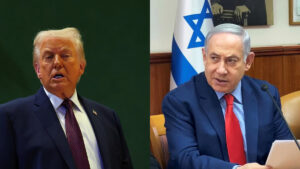
On social media, Trump issues a stark warning. He threatens to target Iran’s civilian infrastructure if Tehran rejects the proposed deal. He vows to dismantle what he calls Iran’s “killing machine.” As a result, rhetoric escalates to a dangerous level, reducing room for compromise.
At the core, both sides remain far apart. They clash over Iran’s nuclear programme, regional influence, and control of the Strait of Hormuz. Trust remains low. Each side questions the other’s intent. Therefore, negotiations struggle to move forward.
On the ground, the situation looks even more volatile. Iran announces the closure of the Strait of Hormuz. It warns that it will target any approaching vessel. Consequently, hundreds of ships stall at both ends of the waterway. This route carries nearly one-fifth of the world’s oil supply. As a result, global markets watch closely.
In recent hours, the risk turns real. Iranian gunboats fire at two Indian-flagged merchant ships. The vessels retreat to avoid further escalation. This incident adds pressure on regional trade and raises safety concerns for shipping lanes.
At the same time, Iran accuses the US of aggression. Foreign ministry officials say the naval blockade violates the ceasefire. In response, Washington claims Iran has attacked passing ships. Both sides trade blame, and tensions deepen further.
Looking back, the conflict has now stretched close to two months. Earlier ceasefire efforts offered a brief pause. However, repeated mistrust and conflicting demands continue to derail progress. Each round of talks raises hope, but each setback fuels uncertainty.
For now, diplomacy stalls. Military pressure grows. الأسواق brace for disruption. And unless both sides shift strategy, the region may face a sharper escalation in the days ahead.