Iran pushes back on Trump claims, signals fresh Hormuz tensions
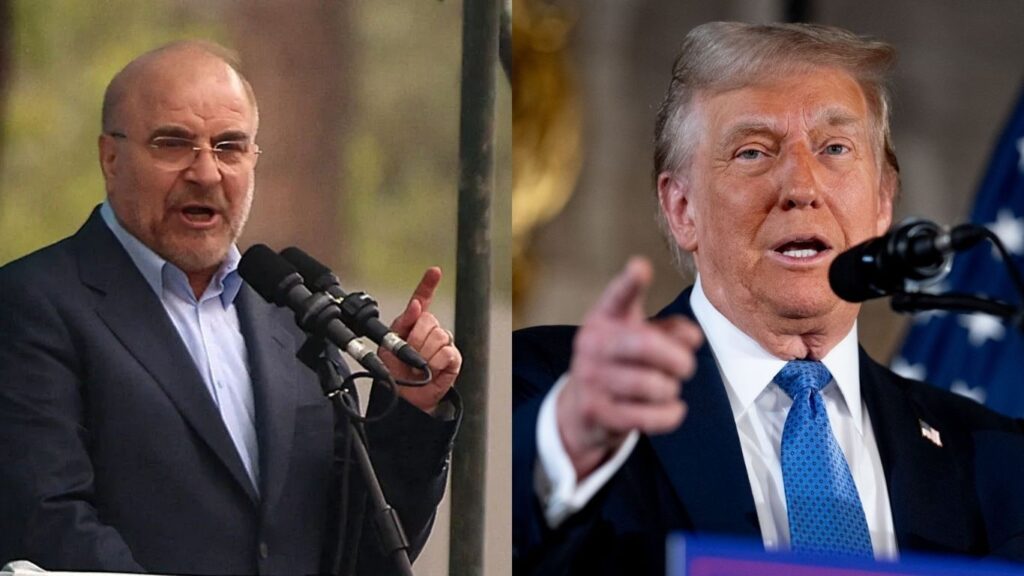
Iran sharpens its tone against Donald Trump. Then, it raises the stakes in the Gulf. On Friday, Mohammad Bagher Qalibaf accused Trump of spreading “seven false claims in one hour.” He delivered the message as Trump spoke at a public event in the United States. At the same time, Tehran signaled that it could again restrict movement through the Strait of Hormuz.
Qalibaf linked access to the waterway with US actions. He warned that Iran would not keep the route open if Washington continued what Tehran calls a blockade. He also said ships must follow a designated route and seek Iranian approval. With this, he shifted the focus from rhetoric to control on the ground. He argued that real conditions—not social media posts—would decide how the strait operates.
The exchange moved beyond diplomacy into narrative control. Qalibaf stressed that media messaging now plays a central role in the standoff. He said Iran would not change its position due to public pressure campaigns. This remark came as both sides continued to post statements and counterclaims online.
Signals from Tehran appeared mixed. Abbas Araghchi had said commercial vessels could use the strait during a ceasefire phase. That statement briefly eased concerns in global markets. Oil prices dipped, and equities gained as traders priced in lower risk. However, traffic through the strait stayed thin. Ship operators chose caution over optimism.
On the ground, uncertainty still dominates. Shipping data shows fewer vessels moving through the corridor than usual. Insurers continue to assess risk premiums. Regional observers say companies prefer to wait for clear guarantees before resuming normal operations. As a result, the gap between official statements and actual movement has widened.
At the same time, divisions surfaced within Iran’s own information space. The Fars News Agency questioned the clarity of earlier government messaging. It noted confusion among the public and flagged inconsistencies in official signals. This internal pushback added another layer to the unfolding story.
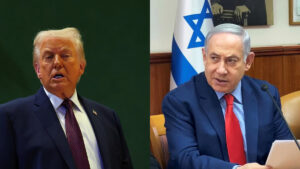
Across the aisle, Trump amplified his claims through interviews and posts. He said Iran had agreed to suspend its nuclear program without limits. He also suggested that Tehran would hand over enriched material. Iranian officials rejected both claims. They insisted that no such agreement exists and dismissed the remarks as inaccurate.
In parallel, Iran’s legislature began exploring new measures. Ebrahim Rezaei confirmed that lawmakers are drafting a proposal. The plan aims to regulate transit through the strait and impose fees on passing vessels. If adopted, the move could formalize Iran’s control over one of the world’s busiest energy routes.
Looking back, the Strait of Hormuz has long served as a geopolitical pressure point. Roughly a fifth of global oil trade passes through this narrow channel. Any disruption quickly ripples across energy markets and shipping networks. Over the years, tensions between Washington and Tehran have repeatedly threatened its stability.
Now, the latest exchange adds fresh uncertainty. Iran ties access to US behavior. Trump counters with bold claims of concessions. Markets react quickly, but ground reality moves slower. As both sides escalate their messaging, the risk of miscalculation grows. For now, ships move cautiously, and the world watches the Gulf with renewed attention.