LPG delivery gap exposed: Wait time stretches from 2 days to 40 across states
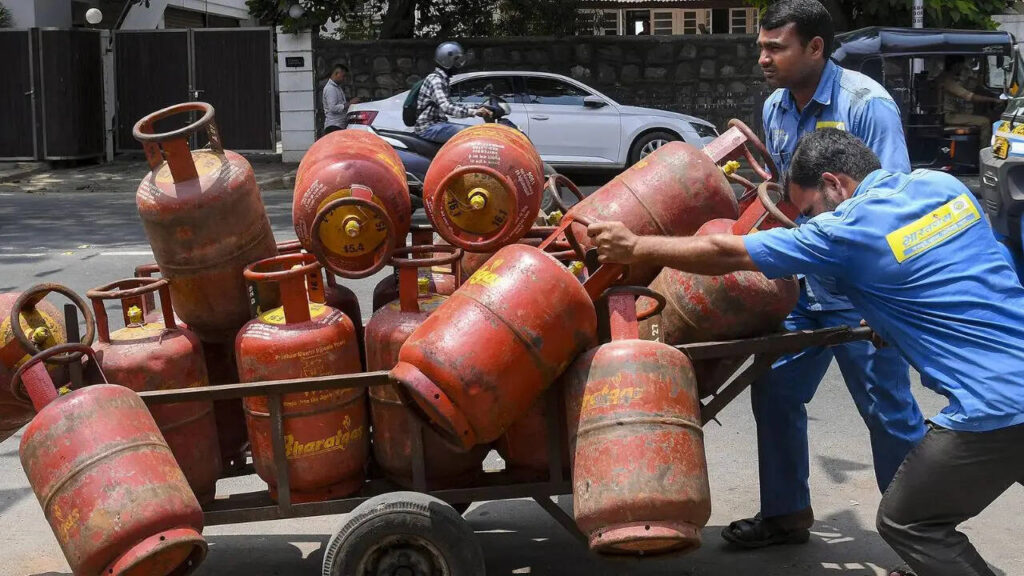
New Delhi – Cooking gas access shows sharp contrasts across India. At one end, households receive cylinders within two days. At the other, families wait up to 40 days. This gap has widened after disruptions linked to West Asia tensions.
First, ground reports from 12 states highlight a clear pattern. People continue to book LPG cylinders without major issues. However, deliveries now take longer. In several cities, the wait stretches beyond a week. In some pockets, delays run into weeks. As a result, daily cooking routines face pressure.
In Delhi-NCR, the strain appears visible. Many low- and middle-income families still depend on LPG despite growing piped gas coverage. Residents say delivery timelines have slowed sharply. Some now wait seven to nine days. Earlier, they received cylinders within two to three days. Meanwhile, a section of migrants and informal workers rely on the black market due to documentation gaps. Prices there have surged steeply.
On the ground, individual stories reflect the pressure. A Karol Bagh resident preparing for a family gathering struggled to arrange enough cylinders. He eventually shifted to coal-based cooking with help from local caterers. Similarly, a bank worker in Delhi reported repeated visits to his gas agency before receiving a refill after nine days. These accounts show how delays disrupt both routine and special occasions.
In Uttar Pradesh, the picture remains mixed. In Varanasi, families report delayed deliveries despite smooth booking systems. Some households now turn to black market options to meet urgent needs. In contrast, parts of Bareilly report relatively faster supply, with cylinders arriving within four to five days. Still, even there, people acknowledge rising unofficial prices.
Further west, cities like Agra show sharper stress. Residents say delivery times have stretched up to 18–20 days. This shift marks a steep jump from earlier timelines. As delays increase, some households begin to ration gas usage or explore alternatives.
In southern India, Karnataka presents a divided picture. Bengaluru residents report delays of over 25 days in some areas. In coastal Mangaluru, families claim they wait up to 40 days for a refill. Consequently, many households return to firewood stoves for daily cooking. However, rural pockets report stable supply, though initial panic triggered crowding at agencies.
Meanwhile, Tamil Nadu shows signs of recovery. After early panic, supply chains stabilised in several towns. Residents now receive cylinders on time. Yet, commercial users continue to face challenges. Many small eateries have shifted to wood or coal to sustain operations.
In eastern India, West Bengal reflects a mixed trend. Consumers book cylinders easily. However, delivery delays persist. Wait times now extend to seven to twelve days in many areas. Reports of black market sales continue, adding to concerns.
Bihar and Jharkhand reveal a deeper impact on vulnerable groups. Low-income families face longer waits and rising costs. Many households have returned to traditional chulhas using firewood or cow dung. Delivery agents confirm that wait times have increased from three to eight days in several districts.
On the other hand, cities with strong piped gas networks show resilience. Ahmedabad reports minimal disruption due to widespread PNG access. Mumbai also manages relatively better, though long queues remain common outside agencies.
Background explains the shift. A major share of India’s LPG imports passes through the Strait of Hormuz. Any disruption in that route affects supply chains. As global tensions rise, domestic delivery systems feel the impact.
In conclusion, India does not face a uniform LPG crisis. Instead, it faces uneven access. While supply continues, delivery delays create stress. For millions, especially in low-income segments, the wait for cooking gas now defines daily life.