Trump signals ceasefire shift as Hormuz deal emerges, Bab al-Mandeb tensions rise
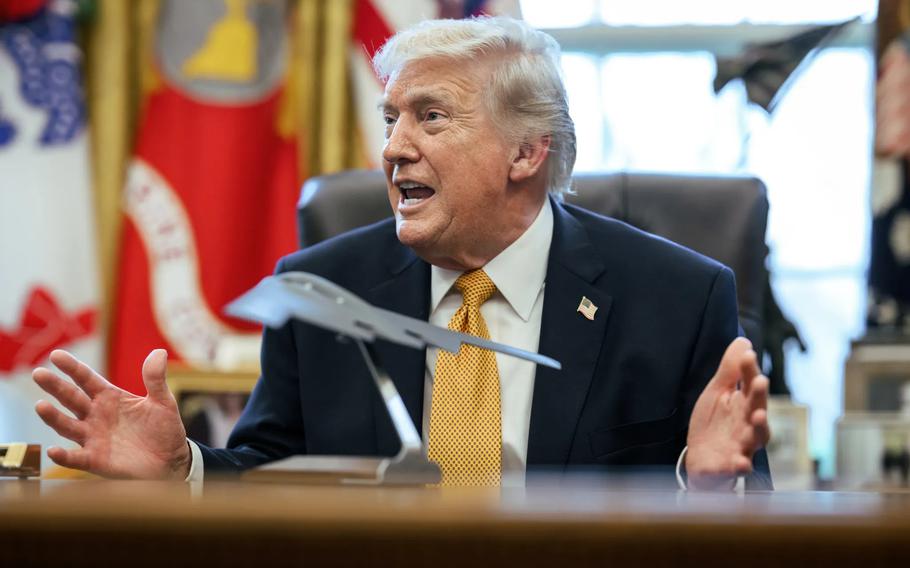
Washington/West Asia – On day 33 of the conflict, Donald Trump signaled a possible shift in stance. He said he stands ready for a ceasefire if the Strait of Hormuz reopens. This condition places a key global oil route at the center of negotiations. At the same time, it introduces a fresh diplomatic angle to the ongoing war.
First, sources indicated that JD Vance will carry this message to intermediaries. This move suggests backchannel diplomacy has gained momentum. Trump also plans a formal address, which may clarify his position further. Therefore, global markets and allies now wait closely for signals from Washington.
However, Iran responded quickly and firmly. Abbas Araghchi rejected the proposal outright. He stated that only Iran and Oman hold authority over decisions related to the strait. This response highlights a clear gap between US expectations and Iran’s position. As a result, immediate progress on ceasefire talks looks uncertain.
Meanwhile, the United States has strengthened its military posture in the region. It deployed multiple aircraft carriers, including the USS George H.W. Bush, alongside USS Gerald R. Ford and USS Abraham Lincoln. This buildup signals readiness for escalation even as diplomatic channels remain open. Thus, Washington continues to balance pressure with negotiation.
At the same time, Trump’s messaging has shifted repeatedly. Earlier, he spoke about regime change. Then, he emphasized nuclear deterrence. Now, he focuses on reopening Hormuz. These changing positions raise questions about long-term US strategy. Allies and analysts both seek clarity on the endgame.
In parallel, tensions have grown within Western alliances. Marco Rubio suggested a reassessment of NATO’s role. This comment indicates deeper disagreements among partners. Consequently, unity within the alliance appears under strain during a critical moment.
On the ground, the conflict has expanded beyond initial zones. The Houthis have opened a new front near the Bab al-Mandeb. This route connects the Red Sea to the Gulf of Aden and handles major global trade flows. Any disruption here could impact oil shipments and shipping lanes worldwide. Therefore, risks to global supply chains have increased sharply.
In response, global powers have stepped in with diplomatic proposals. China and Pakistan jointly called for an immediate ceasefire. They also proposed a five-point peace plan aimed at de-escalation. This initiative adds another layer to ongoing diplomatic efforts.
Looking at the broader picture, energy routes remain the central concern. Both Hormuz and Bab al-Mandeb serve as critical choke points. Any instability in these regions directly affects global oil prices and trade flows. Hence, markets and governments continue to track every development closely.
In conclusion, the situation remains fluid and complex. Trump’s conditional ceasefire offer opens a narrow path for dialogue. However, Iran’s rejection and rising regional tensions complicate the outlook. As military deployments grow and new fronts emerge, the conflict enters a more unpredictable phase.