US eyes quick pullback as Trump sets 2–3 week timeline for Iran war
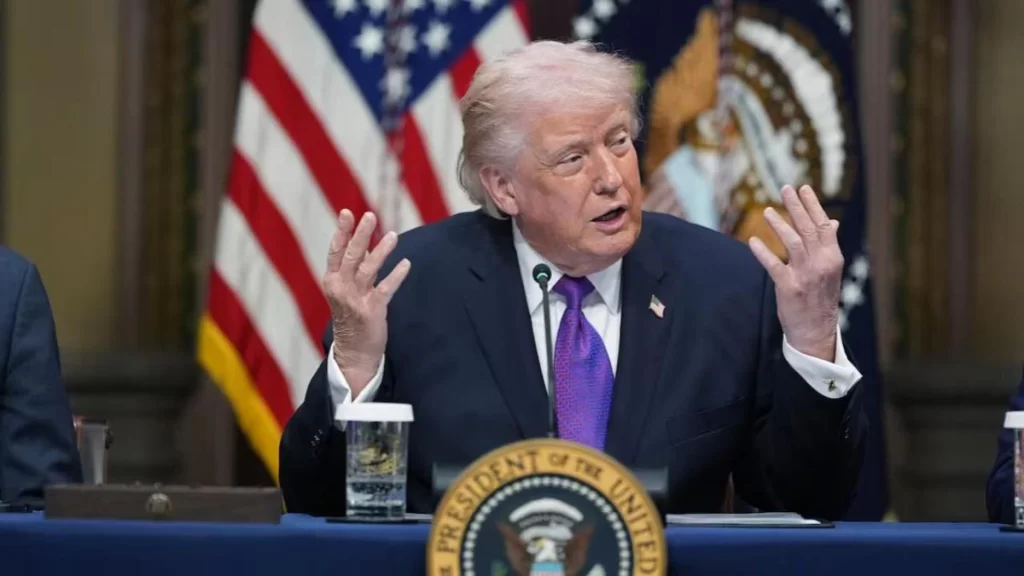
Washington/West Asia – Donald Trump on Tuesday signalled a possible end to the US military campaign against Iran. He said the operation could wrap up within two to three weeks. With this, he offered the clearest timeline yet for a withdrawal after weeks of escalation.
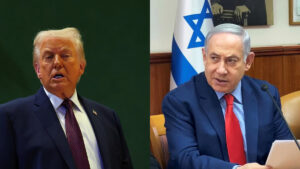
Speaking at the White House, Trump struck a confident tone. He said the US would “leave very soon.” He repeated that the timeline could fall within two or three weeks. At the same time, he made his position clear. He said Washington does not need a formal deal with Tehran to end the war. Instead, he stressed one condition. He said the US would exit only after it crushes Iran’s ability to build nuclear weapons quickly.
Meanwhile, the White House moved to build anticipation. Officials confirmed that Trump will address the nation with a detailed update. This comes as policymakers weigh both military and diplomatic paths.
However, tensions remain high on the ground. The conflict has already stretched for nearly a month. It has killed thousands and destabilised key parts of West Asia. It has also shaken global energy markets. Oil supply concerns have pushed volatility higher. As a result, economies across regions continue to feel the pressure.
In parallel, Washington has kept its options open. Officials earlier warned that they could intensify strikes if Iran rejects a proposed ceasefire framework. That plan includes strict conditions. It asks Iran to abandon nuclear weapons ambitions. It also demands a full halt to uranium enrichment. In addition, it calls for restoring normal flow through the Strait of Hormuz, a critical global oil route.
At the Pentagon, Pete Hegseth reinforced this dual approach. He said Trump remains open to a deal. Yet, he also underlined that military pressure will continue if needed. This signals a strategy that mixes force with negotiation leverage.
On the other side, Tehran has hardened its stance. Iran’s Revolutionary Guards issued fresh warnings. They threatened to target major American tech and industrial firms. The list includes Microsoft, Google, Apple, Intel, IBM, Tesla and Boeing. Officials described the threat as retaliation for US strikes. They hinted at possible action starting April 1.
At the diplomatic level, signals remain mixed. Abbas Araghchi confirmed that communication channels exist. He said messages have passed between Tehran and Washington. However, he clarified that these exchanges do not count as formal negotiations. He also pointed to indirect contact with US envoy Steve Witkoff. This suggests that backchannel diplomacy continues despite public posturing.
From the ground, uncertainty still dominates. Civilians across affected regions face disruption and fear. Energy traders track every development closely. Governments watch for spillover risks. Even as Trump talks about a quick exit, the path ahead remains fragile.
In the background, this conflict builds on years of mistrust. Tensions over Iran’s nuclear programme have repeatedly triggered crises. Previous attempts at diplomacy have struggled to hold. Now, this latest confrontation tests both military limits and diplomatic resolve.
Going forward, the next two weeks will prove crucial. If Washington follows through, the region may see de-escalation. However, any misstep could extend the conflict. For now, Trump’s timeline offers hope—but not certainty.