India opens OALP-XI, offers 21 blocks to accelerate oil and gas exploration
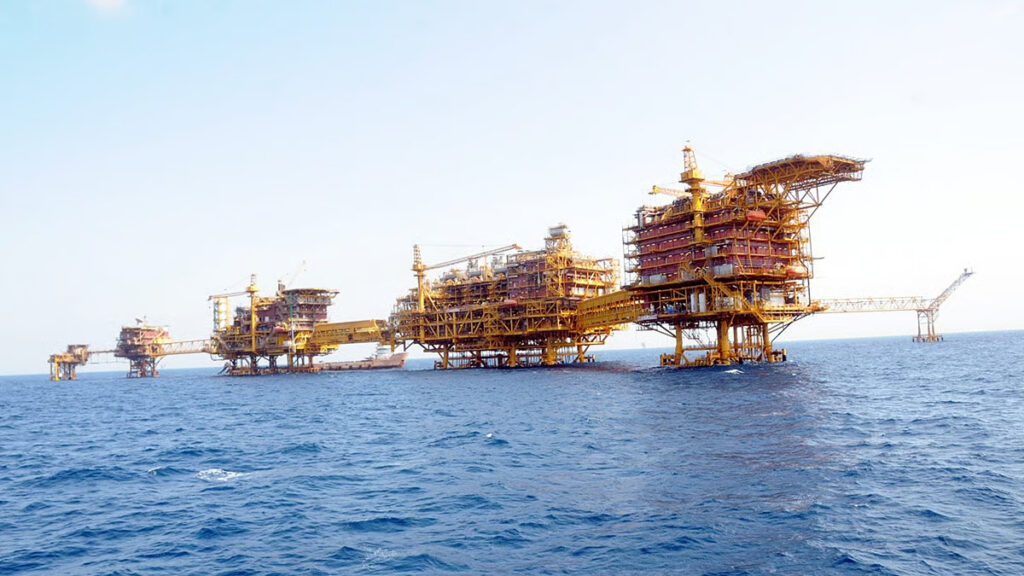
New Delhi – India has stepped up its energy push with the launch of the 11th round of the Open Acreage Licensing Policy. The government has offered 21 oil and gas blocks across nearly 80,228 square kilometres. With this move, it aims to boost domestic production and reduce reliance on imports.
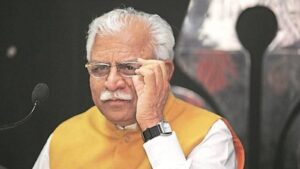
Petroleum Minister Hardeep Singh Puri announced the new round and called it a major step forward. He stressed that India needs stronger energy security. Therefore, the government continues to open new areas for exploration.
The new round adds significant acreage. When combined with the previous round, OALP-10, the total exploration area now crosses 262,000 square kilometres. Earlier, OALP-10 had offered 25 blocks over a large stretch. Now, OALP-XI builds on that momentum.
Importantly, the new blocks cover both onshore and offshore regions. This wide spread gives companies more options. It also increases the chances of fresh discoveries.
Moreover, the government wants to unlock untapped reserves beneath land and sea. It sees exploration as a key pillar for long-term growth. As a result, policymakers continue to push reforms and faster approvals.
The government has also fixed a clear bidding schedule. Companies can submit bids from March 30, 2026. The window will remain open until May 29, 2026. This structured timeline ensures transparency and faster decision-making.
At the same time, officials expect strong participation from both domestic and global players. India has already simplified rules under the OALP system. Companies can now choose blocks based on their interest. This flexibility has improved investor confidence.
India introduced the Open Acreage Licensing Policy to replace older systems. Earlier, companies had to wait for formal bid rounds. Now, they can express interest anytime. This shift has made exploration more dynamic.
The policy also supports the Hydrocarbon Exploration and Licensing Policy (HELP). Together, these reforms aim to increase exploration intensity. They also focus on ease of doing business in the energy sector.
Despite these efforts, India still imports a large share of its crude oil needs. Therefore, boosting domestic output remains a priority. Higher production can reduce import bills and improve energy stability.
On the ground, new exploration activity can bring investment and jobs. It can also improve infrastructure in remote areas. Regions with untapped reserves may see increased economic activity.
However, challenges remain. Exploration involves high costs and long timelines. Companies must assess geological risks before investing. In addition, global oil price trends influence decisions.
Still, the government appears determined to push ahead. It wants to create a stable and attractive ecosystem for investors. By offering larger areas and clearer rules, it hopes to sustain interest.
With OALP-XI, India signals a clear intent. It wants to explore more, produce more, and depend less on imports. The new round adds scale and speed to this effort.
As bidding begins, the industry will watch closely. The response will show how confident investors feel about India’s energy future.