US strikes Isfahan with bunker-busters as Trump signals possible endgame
Washington/Tehran – The United States escalated its military campaign against Iran with a precision strike on a key site in Isfahan. Officials confirmed that US forces used heavy bunker-buster bombs to hit a facility linked to ammunition storage and nuclear infrastructure. The move came just hours after President Donald Trump hinted at winding down the offensive.
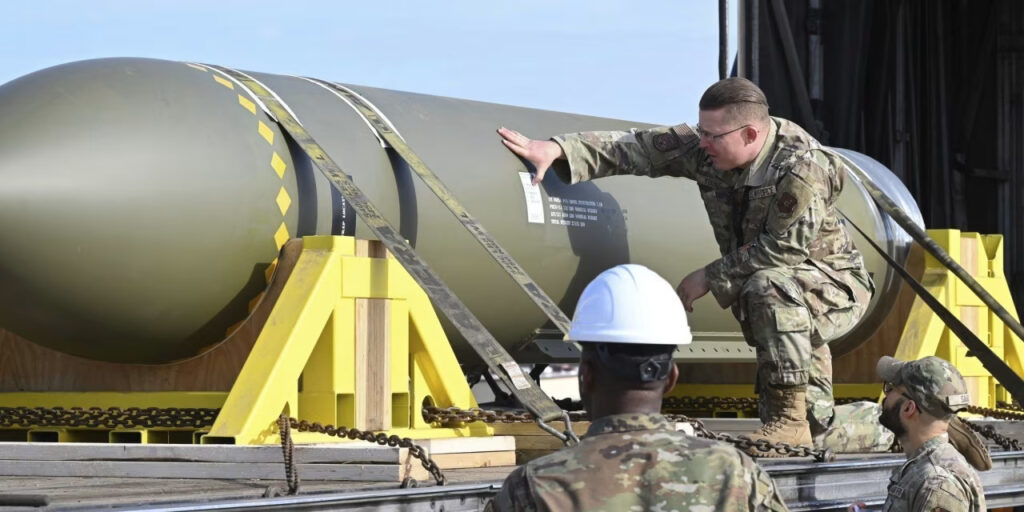
US officials described the operation as focused and deliberate. They deployed multiple penetrator munitions to hit fortified structures. These weapons drilled deep before exploding. As a result, they damaged underground installations that standard bombs cannot reach.
Visuals circulating online showed multiple explosions lighting up the night sky. Fires followed. Thick smoke rose from the impact zone. Analysts pointed to secondary blasts. They suggested that stored ammunition triggered additional explosions. However, independent agencies have not verified the footage yet.
Isfahan holds strategic value for Iran. The city connects closely with the country’s nuclear programme. In recent weeks, intelligence reports suggested that Iran moved part of its enriched uranium stock to underground facilities in this region. Estimates placed the stockpile at around 540 kg.
Therefore, the US strike aimed to disrupt both storage and operational capacity. It also sent a direct message about Washington’s reach. By targeting hardened sites, the US signaled its intent to degrade critical infrastructure.
Bunker-buster bombs play a key role in such missions. These weapons penetrate layers of concrete and rock before detonation. They target deeply buried facilities, including nuclear sites and command centers.
One of the most powerful versions, the Massive Ordnance Penetrator, comes from Boeing. This bomb carries a massive payload and uses GPS guidance for accuracy. Aircraft like the B-2 Spirit deliver it. Although the Isfahan strike used smaller variants, the mission followed the same principle: hit deep, destroy critical assets.
At the same time, tensions widened across the Middle East. Iran targeted the Kuwaiti oil tanker Al-Salmi near Dubai’s coast. The incident raised concerns about energy routes. Authorities reported no casualties. However, they warned about a possible oil spill.
This development added pressure on global supply chains. It also increased risks around the Strait of Hormuz, a key corridor for oil shipments. Any disruption here can affect global markets within hours.
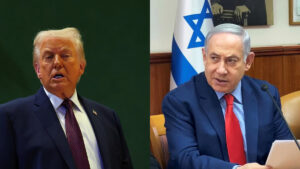
Meanwhile, Trump reviewed the broader campaign. Reports indicated that he wants to limit the conflict timeline. He focused on key objectives: weaken Iran’s navy and reduce its missile capability. After that, he plans to shift toward diplomacy.
Officials said Trump may accept partial disruption in the Strait of Hormuz for now. He aims to avoid a prolonged military engagement. Instead, he wants allies in Europe and the Gulf to take a larger role if tensions continue.
On the ground, the strike increases uncertainty. Residents near Isfahan reported loud explosions and heightened security activity. Military presence has grown in surrounding areas. At the same time, Iranian authorities have not released full damage details.
Strategically, the attack marks a turning point. The US demonstrated its ability to hit hardened targets deep inside Iran. However, Iran’s response will shape the next phase.
For now, both sides balance force with caution. The US pushes military pressure. Iran signals resistance. As a result, the region stands at a fragile moment where one move can shift the trajectory of the conflict.