
Fuel supply stable across India, centre prioritises LPG for households and migrants
New Delhi moved quickly to calm concerns over fuel availability as global tensions continue to disrupt energy flows. The Centre on Tuesday confirmed that petrol and diesel stocks remain sufficient across the country. Officials stressed that supply chains continue to function smoothly despite pressure from West Asia.
At the same time, the government placed clear focus on cooking fuel. It ensured priority LPG supply for vulnerable groups. This includes migrant workers and beneficiaries of the Pradhan Mantri Ujjwala Yojana.
Strong Fuel Availability Across Retail Network
First, officials highlighted the strength of the retail fuel network. Over 100,000 petrol pumps continue to operate with adequate stocks. As a result, consumers have not faced shortages of petrol or diesel.
Moreover, authorities continue to monitor inventories closely. They aim to prevent panic buying and ensure steady distribution. This approach has helped maintain confidence among consumers.
LPG Supply Gets Top Priority
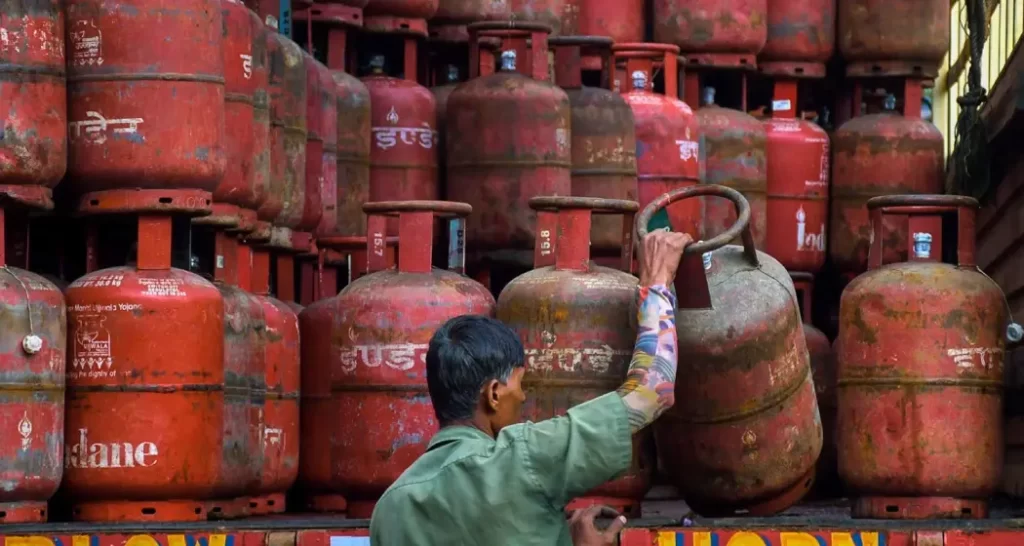
Next, the government shifted focus to LPG availability. Officials confirmed that oil companies have increased LPG output at refineries. They adjusted production to favour cooking gas over petrochemicals.
This step ensures uninterrupted supply for priority users. These include over 1.1 million migrant workers and more than 100 million Ujjwala beneficiaries.
In addition, India continues to rely on imports to meet demand. The country sources nearly 60% of its LPG needs from global markets. Therefore, authorities have lined up multiple shipments to avoid disruptions.
Shipments Continue Despite Global Tensions
Meanwhile, LPG cargo movement remains active. Two major carriers recently crossed the Strait of Hormuz, a critical global energy route.
One vessel will reach New Mangalore soon. Another will dock at Kandla within days. Alongside this, several more ships carrying large volumes of LPG will depart for India shortly.
These steady shipments provide a buffer against supply shocks. They also reassure markets that imports remain on track.
Push for PNG to Ease Pressure
At the policy level, the government has taken steps to reduce LPG dependence. It has accelerated the rollout of piped natural gas connections.
The Petroleum and Natural Gas Regulatory Board has directed city gas companies to expand PNG access. The order covers schools, hostels, community kitchens, and Anganwadi centres located near pipeline networks.
Officials estimate that around 6 million households can switch to PNG immediately. In fact, authorities issued thousands of new connections in just one day across key regions.
This move will reduce pressure on LPG supply and improve distribution efficiency.
Ground Angle: Consumers Stay Alert but Supply Holds
On the ground, consumers have shown mixed reactions. Some households rushed to book LPG cylinders amid global uncertainty. However, delivery systems have continued to function without disruption.
Distributors across cities and towns report normal operations. Trucks continue to deliver cylinders on schedule. As a result, panic has not translated into actual shortages.
Small businesses, including eateries and local kitchens, have also maintained operations. They continue to receive fuel under priority allocation.
Commercial Supply Gets Structured Support
At the same time, the government has structured LPG supply for commercial users. It has increased allocations to meet about half of their total demand.
Authorities have prioritised key sectors. These include restaurants, hotels, industrial canteens, dairy units, and food processing industries. Community kitchens and welfare programmes also receive steady supplies.
This targeted approach ensures that essential services continue without interruption.
Coordination Across States Strengthens Delivery
Importantly, state governments and oil companies have worked in coordination. Around 24 states and union territories have issued orders to streamline LPG distribution.
In other regions, state-run oil marketing companies have taken direct responsibility. Together, they have already supplied thousands of tonnes of commercial LPG.
This coordinated effort has strengthened last-mile delivery and reduced bottlenecks.
Background: India’s Energy Strength and Dependence
India stands among the world’s top refining hubs. It holds a refining capacity of over 250 million tonnes per year. This allows flexibility in fuel production.
However, the country still depends heavily on imports for LPG. Global disruptions, especially in West Asia, can impact supply lines. Therefore, the government continues to diversify sources and build reserves.
A Stable System Amid Global Uncertainty
In conclusion, India’s fuel supply system remains stable despite external pressures. The government has combined production adjustments, imports, and policy measures to maintain balance.
At the same time, it has prioritised vulnerable groups and essential sectors. It has also pushed long-term solutions like PNG expansion.
While global tensions continue to pose risks, current indicators show steady availability. If coordination continues at this pace, the country can manage short-term disruptions without major impact.