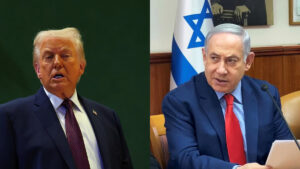
Trump pushes 15-point Iran plan as war enters 4th week, seeks ceasefire and talks
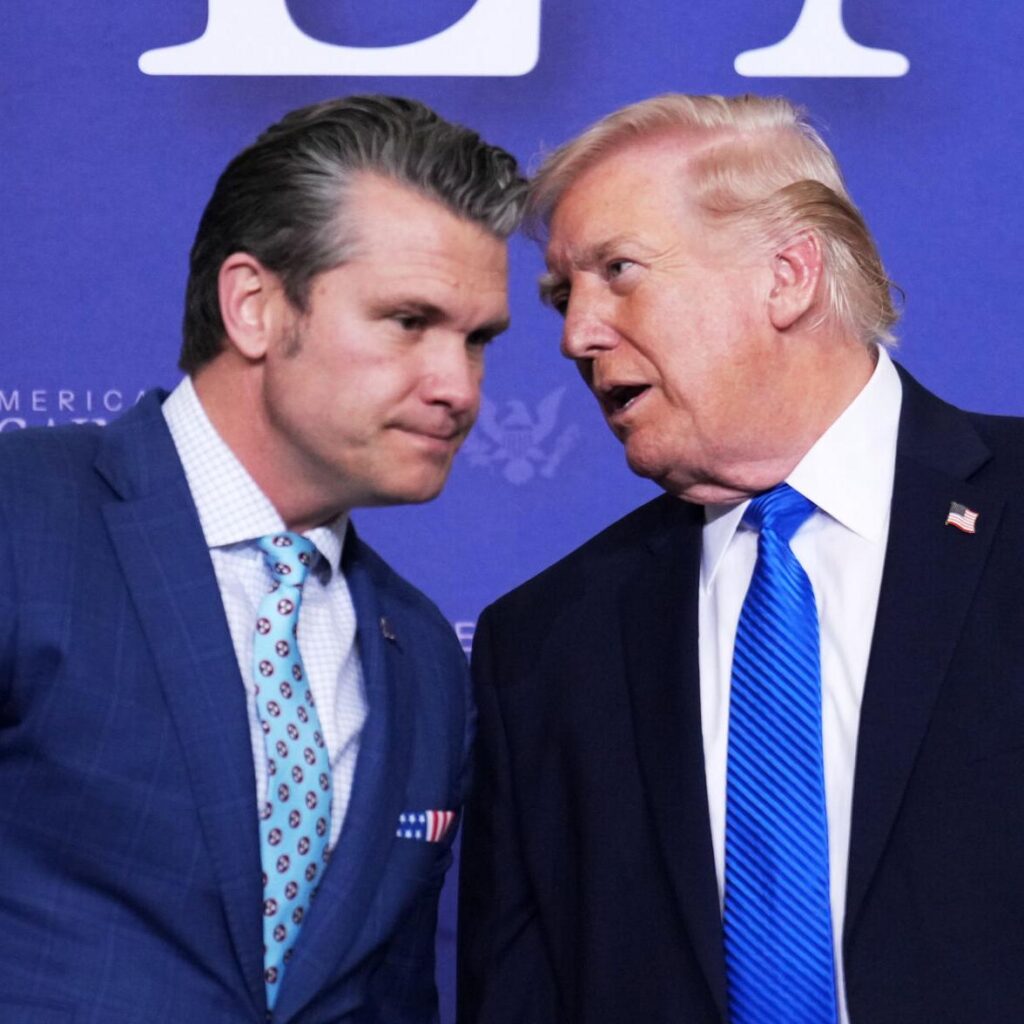
Washington has stepped up efforts to halt the escalating West Asia conflict. Donald Trump has proposed a sweeping 15-point plan to end the ongoing Iran war. He has combined pressure with diplomacy. At the same time, he has urged a one-month ceasefire to open space for negotiations.
However, Tehran has shown little interest so far. Officials there have rejected key claims and questioned Washington’s intent. As a result, uncertainty continues to cloud the path ahead.
A Plan Built on Pressure and Incentives
First, the proposal demands strict limits on Iran’s nuclear programme. It calls for tighter international monitoring and curbs on uranium enrichment. In addition, it seeks a rollback of missile capabilities and related military infrastructure.
Next, the plan targets Iran’s regional strategy. It asks Tehran to end support for proxy groups across West Asia. It also insists on reopening the Strait of Hormuz, a vital oil route that global markets closely watch.
In return, Washington has offered selective relief. It has proposed partial easing of sanctions. It has also floated the idea of a UN-supervised civilian nuclear programme. Notably, the fuel facility would operate outside Iran. Alongside this, the US has signalled willingness to explore economic engagement to revive Iran’s strained economy.
Yet, the balance of demands and incentives remains uneven. Therefore, many analysts believe Iran will resist the plan in its current form.
Diplomatic Push Gains Momentum
Meanwhile, diplomatic channels have started to move. The US has shared the proposal with Iran through intermediaries. Shehbaz Sharif has offered to host talks. He has publicly expressed readiness to facilitate meaningful negotiations.
Following this, Washington has shown openness to dialogue in Pakistan. Reports suggest that US representatives may include envoy Steve Witkoff and Jared Kushner. Talks could begin as early as next week if both sides agree.
However, Iran has denied any active backchannel negotiations. Officials there have stated that only limited indirect contacts have taken place. Consequently, the diplomatic track remains fragile.
Military Moves Continue Alongside Talks
At the same time, the US has increased its military presence. The Pentagon has moved to deploy over 3,000 additional troops to the region. This move adds to nearly 50,000 personnel already stationed across West Asia.
Officials have described the deployment as a step to maintain flexibility. However, Iran has issued warnings. It has suggested that it could respond if troop movements escalate further. It has even hinted at possible disruptions in Gulf waters.
Thus, both sides continue to prepare for escalation even while discussing de-escalation.
Importantly, diplomats have raised doubts about the novelty of the proposal. Many point out that the current framework closely mirrors an earlier plan. That version emerged during nuclear talks in May 2025.
Those talks eventually collapsed after Israeli strikes targeted Iranian nuclear facilities. The earlier proposal also demanded strict nuclear limits, missile curbs, and tight control over sanctions relief funds.
Therefore, critics argue that the latest plan offers little new ground. They believe Iran has already rejected similar conditions in the past. As a result, expectations remain low.
At the political level, messaging has turned inconsistent. Trump has claimed that recent conversations with Iran have shown progress. He has described them as “productive.”
However, Iranian officials have firmly rejected that claim. They have accused Washington of using such statements to calm markets and delay potential military action.
This gap in narratives has widened mistrust. It has also made it harder for mediators to build confidence between the two sides.
Ground Angle: Anxiety on the Streets
On the ground, the conflict has created visible anxiety. Traders in Gulf cities closely track every update on the Strait of Hormuz. Even minor disruptions have raised fears of supply shocks.
Families across the region have started preparing for prolonged instability. Many have reduced travel and postponed business decisions. At the same time, expatriate communities, including Indians, have grown increasingly cautious.
Energy prices have also shown volatility. As a result, consumers in several countries have begun to feel the ripple effects. This pressure has added urgency to calls for a ceasefire.
Background: Deep Roots of Distrust
The current crisis builds on decades of tension between the US and Iran. Disputes over Iran’s nuclear ambitions have repeatedly stalled diplomacy. Sanctions and military posturing have further deepened mistrust.
Moreover, regional rivalries have complicated the situation. Iran’s support for allied groups has long worried the US and its partners. Meanwhile, Tehran has viewed US actions as attempts to limit its influence.
Therefore, each new proposal faces the weight of past failures.
A Narrow Window for Peace
In conclusion, Trump’s 15-point plan reflects a dual strategy. It combines strong demands with limited incentives. It also pairs military readiness with diplomatic outreach.
Yet, major hurdles remain. Iran has not accepted the framework. Mistrust continues to dominate the relationship. At the same time, military activity risks further escalation.
Still, the proposed ceasefire offers a small opening. If both sides engage, talks could begin soon. However, without compromise, the conflict may continue to intensify in the weeks ahead.