8,931 Days and counting: Narendra Modi sets new record in Indian Governance
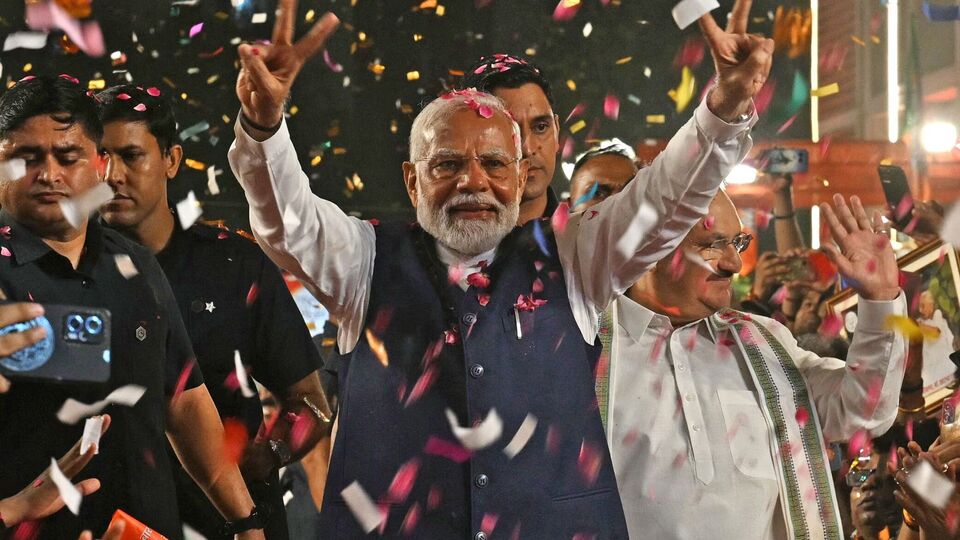
Prime Minister Narendra Modi reached a historic milestone on Sunday. He became India’s longest-serving head of government. He crossed 8,931 days in office. This total includes his time as Gujarat Chief Minister and as Prime Minister. With this mark, he moved ahead of Pawan Kumar Chamling, who held the previous record with 8,930 days.
The moment drew quick reactions from across the ruling establishment. Leaders from the Bharatiya Janata Party welcomed the achievement. They described it as a result of sustained public service and political stability. At the same time, the milestone highlighted Modi’s long presence in executive power, which now approaches 25 years.
First, Amit Shah praised the Prime Minister’s journey. He linked the record to service and discipline. He said Modi’s years in office reflect strong commitment to governance and citizens. Soon after, Rajnath Singh echoed similar views. He emphasised dedication to the nation as a defining feature of Modi’s leadership.
Next, Piyush Goyal called the milestone a matter of pride. He highlighted the focus on inclusive growth. He noted that Modi’s political journey aligns with long-term development goals. Meanwhile, party leader Nitin Nabin underlined the broader impact. He said India’s global standing has strengthened under Modi’s leadership. He also pointed to the “Viksit Bharat” vision as a people-driven campaign.
This achievement did not come overnight. Modi began his journey as Gujarat Chief Minister in 2001. At that time, the state faced serious challenges. A devastating earthquake had damaged infrastructure. Drought conditions had strained resources. Political instability had added to uncertainty. Despite these hurdles, Modi took charge and focused on rebuilding efforts.
On the ground, Gujarat witnessed visible changes during his tenure. The government pushed for better infrastructure. It expanded industrial growth. It also worked on agricultural reforms. Over time, the state gained recognition for administrative efficiency. Supporters often described it as a model of governance.
Later, Modi entered national politics. In 2013, the BJP named him as its prime ministerial candidate. At that stage, the country faced governance concerns and public dissatisfaction. Modi ran a campaign that focused on development and decisive leadership. As a result, voters gave the BJP a strong mandate in the 2014 general elections.
After that, Modi consolidated his position. He led the party to victory again in 2019. Then, he secured a third consecutive term in 2024. These wins placed him among a rare group of leaders with sustained electoral success. They also strengthened his image as a dominant figure in Indian politics.
From a ground perspective, the long tenure reflects continuity in leadership. Supporters argue that consistent governance helps policy execution. They point to infrastructure expansion, digital growth, and welfare schemes as examples. At the same time, critics often raise questions about economic and social challenges. However, the record itself highlights political endurance and voter backing over time.
In the background, India’s political system rarely produces such long-serving leaders. Frequent electoral cycles and diverse regional dynamics usually limit continuity. Therefore, Modi’s extended tenure stands out in this context. It shows how national and state-level leadership combined to create a long administrative run.
Moreover, Modi holds another distinction. He remains the Prime Minister with the longest prior experience as a Chief Minister. He also became the first Prime Minister born after India’s independence. These factors add further context to his political journey.
Looking back, Modi himself has reflected on his early years in office. He recalled taking oath in Gujarat during difficult conditions. He said those challenges shaped his approach to governance. He stressed the importance of improving people’s lives and strengthening development. According to him, those initial years built the foundation for future decisions.
Today, the 8,931-day milestone marks more than just a number. It signals continuity, political strategy, and sustained public engagement. It also reflects how leadership evolves from regional to national levels. As India moves forward, this record will remain a key reference point in its political history.