Khamenei moved to secure site as Israel strikes Tehran; US role under scrutiny
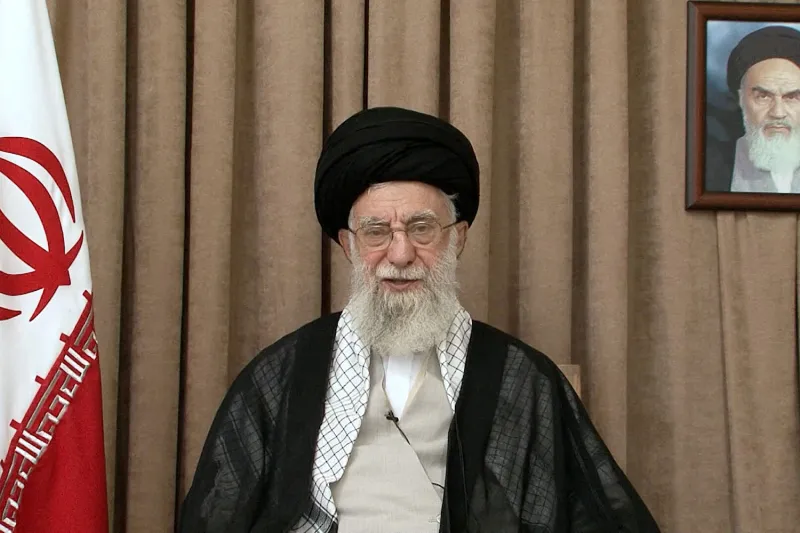
Tensions between Israel and Iran escalated sharply after Israeli forces launched strikes on Tehran. Amid the attack, authorities relocated Iran’s Supreme Leader Ayatollah Ali Khamenei from the capital to a secure location. An Iranian official confirmed the move to international media.
First, Israeli aircraft carried out what officials described as a “preventative” operation. The strike took place in daylight and targeted areas in central Tehran. Witnesses reported thick smoke rising from downtown districts. Notably, one explosion occurred near offices linked to Khamenei.
At the same time, uncertainty surrounded the Supreme Leader’s whereabouts during the blast. Officials did not confirm whether the 86-year-old cleric was inside his office. However, authorities quickly tightened security in the area. Security forces closed roads leading to his compound in central Tehran.
Meanwhile, Iranian state television acknowledged the explosion. It reported the blast but did not specify the cause. Residents in nearby neighborhoods said they heard a loud detonation before seeing smoke over the skyline. Shortly after, additional explosions struck other parts of the capital. Iranian authorities have not released casualty figures so far.
On the other side, Israel placed its own population on high alert. Sirens sounded across several cities. The Israeli military said it issued a proactive warning to prepare civilians for the possibility of missile retaliation. In addition, Israel temporarily closed its airspace as a precautionary measure.
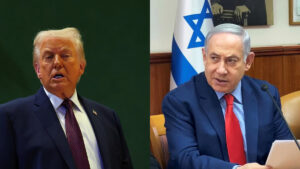
Furthermore, questions arose about the role of the United States in the operation. A US official told the Associated Press that Washington participated in some capacity. However, the official did not clarify the scale or nature of that involvement. The development adds another layer of complexity to already strained relations between Tehran and Washington.
Background tensions between Iran and the United States have intensified in recent months. Both countries have exchanged warnings over regional security and military activity. Israel has repeatedly expressed concern about Iran’s strategic capabilities and regional influence. As a result, the latest strike signals a significant escalation.
So far, Iranian officials have not outlined a detailed response. However, analysts expect Tehran to weigh its options carefully. Iran has previously vowed to respond strongly to direct attacks on its territory. Therefore, regional observers now watch closely for signs of retaliation.
At present, the situation remains fluid. Security forces in Tehran maintain a strong presence in sensitive zones. Israeli authorities continue to monitor potential threats. Meanwhile, international leaders urge restraint to prevent further escalation.
This latest confrontation marks one of the most serious direct actions between the two countries in recent years. As developments unfold, the focus remains on regional stability and the possibility of a broader conflict in the Middle East.