CJI warns of action over NCERT chapter on ‘Judicial Corruption’
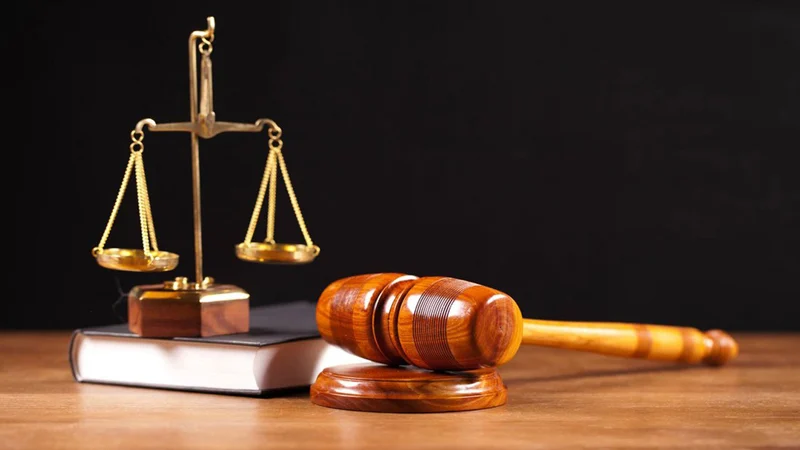
New Delhi – A fresh face-off has erupted between the judiciary and the government. This time, the trigger is a Class 8 NCERT textbook. The book refers to “judicial corruption.” The remark sparked sharp reactions inside the Supreme Court.
Chief Justice of India Surya Kant took a firm stand. He called the reference a “calculated and deep-rooted” attack on the judiciary. He said the court will not allow anyone to defame or question the institution’s integrity. He also made it clear that the Supreme Court will act.
The CJI took suo motu cognisance of the matter. He said he had already received many calls and messages. Several High Court judges also expressed concern. According to him, the issue disturbed members of the judiciary across the country.
Meanwhile, senior advocate Kapil Sibal raised the matter before the bench. He said senior members of the Bar felt deeply disturbed. He stressed that the inclusion of “judicial corruption” in a school textbook sends a wrong signal. He argued that such content can shape young minds in a negative way.
At this point, the CJI responded firmly. He said he already knew about the controversy. He repeated that he had received multiple communications from judges. Then he underlined his position. He said the court will not tolerate any attempt to tarnish the judiciary’s image.
Soon after, senior advocate Abhishek Singhvi added another concern. He questioned the selective reference in the textbook. He argued that the book highlights corruption only in the judiciary. However, it makes no mention of corruption among politicians, ministers, or bureaucrats. He said this selectivity raises serious doubts.
Singhvi told the bench that the text creates an impression. According to him, it suggests that corruption exists only within the judiciary. He said such an approach lacks balance. He urged the court to examine the larger implications.
Justice Joymalya Bagchi also made an observation. He pointed to the absence of constitutional integrity in the structure of the chapter. He indicated that the framing of the content misses the broader constitutional context. His remark added weight to the criticism.
Against this backdrop, the CJI sharpened his warning. He said the development appears to be a calculated move. He described it as a deep-rooted attack on the judicial institution. He then assured the court that action will follow. He said it does not matter how high the matter reaches.
Furthermore, he stressed that the judiciary stands as a pillar of democracy. Therefore, any attempt to single it out will face scrutiny. He said the court will protect its institutional integrity at all costs.
As the hearing progressed, the tension became evident. On one side, senior advocates flagged concerns about fairness and balance. On the other, the bench signaled strong institutional resolve. The controversy now marks a new flashpoint in the ongoing friction between the judiciary and the executive.
In conclusion, the Supreme Court has drawn a clear line. The CJI has promised decisive steps. The coming days will show how the court proceeds. However, one message stands out. The judiciary will defend its integrity and will not allow any narrative that questions its foundation.