US Warships move in; Iran tensions rise as carrier reaches Middle East
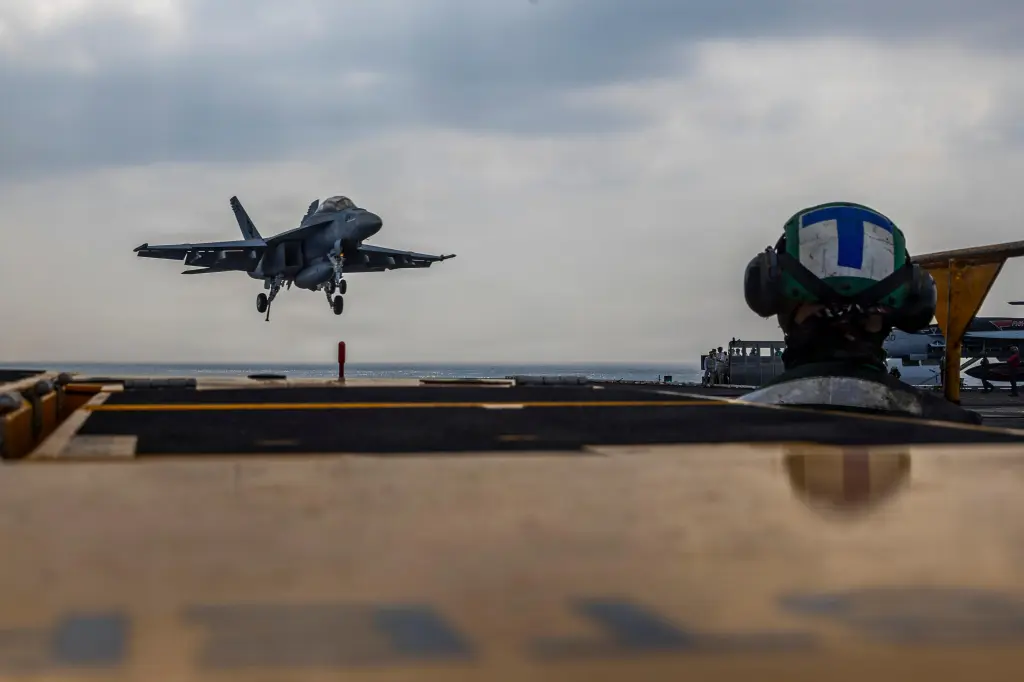
The United States has deployed a large naval force to the Middle East amid intensifying tensions with Iran. On Monday, the USS Abraham Lincoln aircraft carrier strike group entered the region under US Central Command, marking a significant shift in military posture. Analysts see the move as adding pressure on Iran amid ongoing unrest and speculation over possible future strikes.
The Abraham Lincoln is a Nimitz-class nuclear-powered carrier. It sailed from the Indo-Pacific after being redirected and transited strategic waterways to reach the Middle East. It moved with at least three guided-missile destroyers providing escort and support. The strike group brings thousands of additional US service members into the region, a level of force not seen there since late last year.
President Donald Trump has connected this military buildup to pressure on Tehran. He has publicly said the fleet moves “just in case” action becomes necessary, suggesting the show of force may serve as deterrence as much as preparation. Trump’s comments have fueled speculation that Washington could order strikes against Iranian targets if political or security conditions deteriorate further.
In Washington’s view, the deployment aims to reinforce regional security and stability following weeks of unrest in Iran. Nationwide protests began in late December amid economic hardship and sharp currency losses. Iranian security forces responded with a heavy crackdown. Human rights groups report thousands of deaths and tens of thousands of detentions during the protests.
The Pentagon has also moved other military assets into the area. Fighter jets, cargo aircraft, and missile defenses have increased the US footprint, giving commanders a range of tactical options if conflict breaks out. These additions, including F-15s and air defense systems, enhance both deterrence and potential offensive capability near Iranian waters.
Iranian leaders have responded to the US military buildup with strong rhetoric. Senior officials warn that any attack would trigger “all-out war” and have reiterated their readiness to defend national sovereignty. This stance underscores the high stakes as both sides posture and prepare for possible escalation.
Meanwhile, regional actors react to the unfolding tensions. Iran-aligned militias in Iraq and Yemen have issued statements threatening renewed attacks in support of Tehran if conflict erupts. Such declarations point to the risk that any US-Iran clash could widen across neighboring states, raising alarms among international security watchers.
Diplomats and analysts caution that current movements do not guarantee an imminent strike. US officials maintain channels remain open to diplomatic engagement, stating Tehran understands what terms might guide a negotiation. However, political and military leaders on both sides appear prepared for a broad spectrum of outcomes as the situation unfolds.
In sum, the arrival of the Abraham Lincoln carrier group in the Middle East reflects a notable shift in US military focus. It follows months of unrest inside Iran and rising global concern over Tehran’s domestic repression and regional policies. While Washington frames its actions as supportive of regional stability, Tehran views them as a direct threat. With both nations publicly reinforcing their positions, global attention remains fixed on how the next days of tension will play out.