SBI Report: India emerges strong in a world of rising tariffs
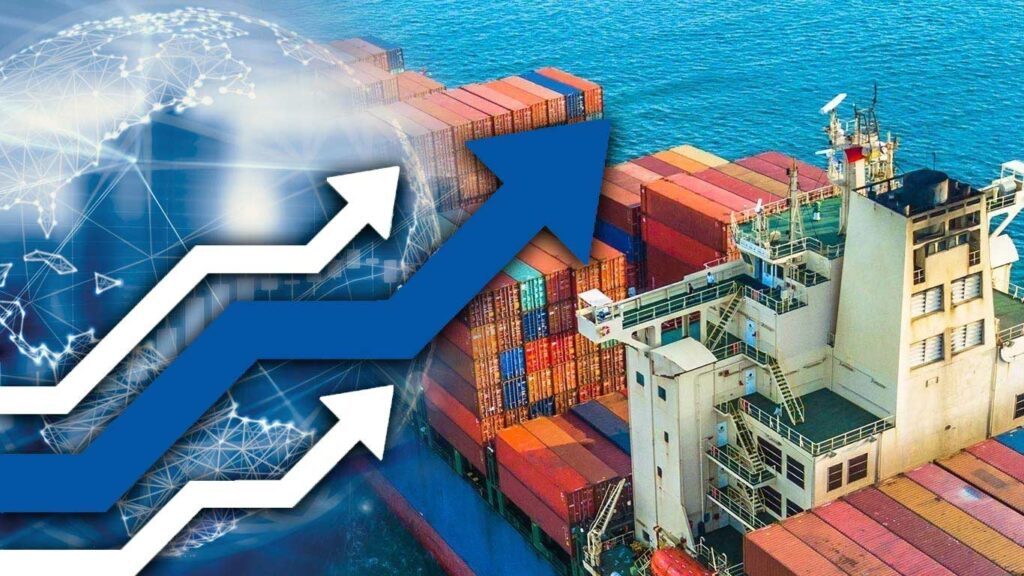
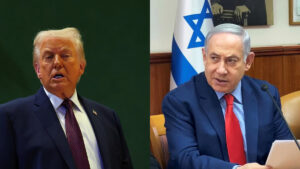
India is adapting to changing global trade dynamics as US tariffs shift the landscape. SBI Research reported that President Donald Trump’s reciprocal tariffs may cause a 3-3.5% decline in Indian exports. However, higher exports in manufacturing and services could offset this impact.
India is countering tariffs by diversifying exports, adding value to products, and expanding trade routes. The country is exploring new supply chains from Europe to the US via the Middle East. By focusing on alternative markets, India aims to mitigate the effects of US protectionist policies.
Recent US tariffs on aluminium and steel create both challenges and opportunities for India. The country runs a marginal trade deficit of $13 million in aluminium and $406 million in steel goods. While India ranks among the top 10 aluminium exporters to the US, its share has dropped from 3% to 2.8% since 2018. Despite this, India remains competitive by strengthening trade agreements and boosting domestic manufacturing.
Free Trade Agreements (FTAs) play a crucial role in India’s strategy. Over the past five years, India has signed 13 FTAs, including deals with Mauritius, the UAE, and Australia. Currently, it is negotiating agreements with the UK, Canada, and the European Union. The UK-India FTA alone could boost bilateral trade by $15 billion by 2030.
Digital trade is another key focus. Experts predict that digital trade agreements could add $1 trillion to India’s GDP by 2025. By leveraging digital growth, India aims to enhance its global economic position and secure long-term trade benefits.
Geopolitical factors, including the US-China trade war, are also influencing India’s trade strategies. As global supply chains shift, India is positioning itself as a reliable alternative for manufacturing and exports. The country’s emphasis on trade negotiations, FTAs, and market expansion could help it navigate global uncertainties and strengthen its economic standing.
India’s evolving trade policies reflect its commitment to growth despite global trade tensions. By adapting to new challenges and securing strategic agreements, India aims to emerge stronger in the ever-changing global market.