White House shooting sparks security debate as Trump blames immigration policies
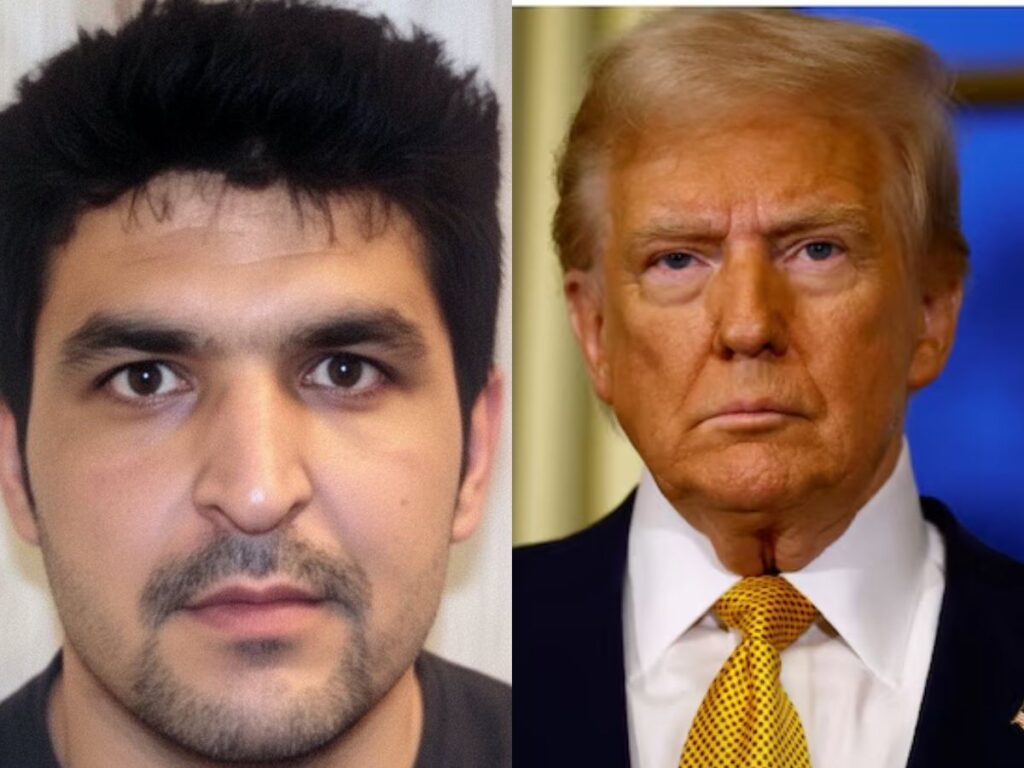
Washington – Washington saw fresh turmoil on Wednesday when a gunman opened fire on two West Virginia National Guard members just two blocks from the White House. The attack injured both troops. Doctors now treat them in critical condition. The shooting immediately triggered political tension, security questions, and a renewed debate on migration programs.
Authorities moved fast. They identified the suspect as 29-year-old Rahmanullah Lakanwal, an Afghan national who entered the U.S. in 2021 through Operation Allies Welcome, a relocation program for Afghan partners after the fall of Kabul. Officers also shot him during the encounter. He survived the injuries and remains under custody.
As the investigation deepened, officials began to outline early details. According to D.C. Police Executive Assistant Chief Jeffrey Carroll, the attacker “came around the corner” and opened fire without warning. Troops stationed nearby heard the gunshots and ran to assist their team members. They subdued the suspect within moments. However, investigators still search for a clear motive. They say they have no indication of the attacker’s intent so far. Even so, several agencies now examine the case as a potential terror-linked incident.
Soon after the shooting, federal agencies began taking major steps. The U.S. Citizenship and Immigration Services announced that it would pause all immigration processing for Afghan nationals while security reviews continue. This decision sparked debate across Washington because thousands of Afghan applicants still wait for approvals under various humanitarian programs. The halt added new urgency to a policy conversation already filled with disagreement.
Meanwhile, security forces reshaped their posture around the capital. Defense Secretary Pete Hegseth confirmed that the Trump administration sent 500 additional National Guard members to Washington. This surge marks the sharpest expansion of troop presence since federal deployments began in several Democratic-run cities earlier in the year. Officers also intensified patrols around Metro stations and government buildings near the attack site.
As these developments unfolded, political reactions grew louder. President Donald Trump addressed the nation with a firm message. He called the shooting “an act of terror” and warned that “lax migration policies” endanger the country. He argued that the attack proves his claim that unsafe entries present the “single greatest threat” to U.S. security. Trump also directed federal agencies to re-review every Afghan who entered the U.S. since 2021, signaling a sweeping reassessment of the Allies Welcome program.
Local residents also expressed fear. Many said they saw emergency vehicles flooding the streets as officers sealed the area. Others said the attack shook their confidence in public safety around the White House district. Throughout the night, families of National Guard members waited for updates, hoping the injured soldiers would survive the ordeal.
By late evening, investigators continued interviewing witnesses, checking security footage, and reviewing the suspect’s history. Although many questions remain, Washington now moves into a tense period of scrutiny. The shooting not only wounded two troops but also reignited a national argument over security, immigration, and political accountability.