
US Supreme Court rejects Tahawwur Rana’s extradition block bid
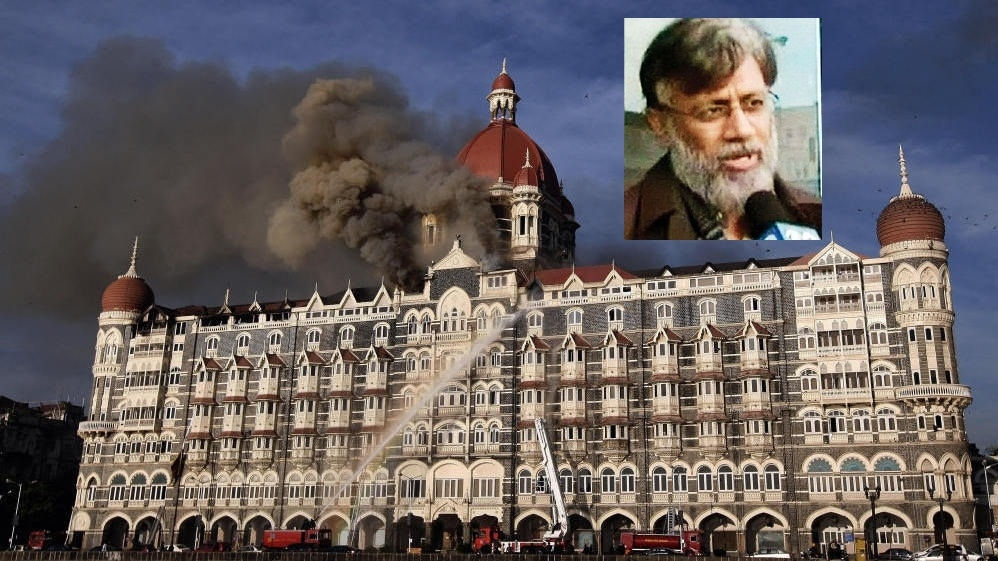
The US Supreme Court on Thursday, March 6, denied Tahawwur Rana’s emergency plea to halt his extradition to India. Justice Elena Kagan rejected his application (24A852), according to the court’s website.
Rana, 64, a Canadian citizen of Pakistani descent, remains in custody at a Los Angeles detention center. He faces extradition to India for his alleged role in the 2008 Mumbai terror attacks. Authorities link him to David Coleman Headley, a key conspirator in the attacks.
Rana’s Claims Before US Supreme Court
Rana filed an “Emergency Application for Stay,” urging the court to delay his extradition. He argued that returning him to India would violate US law and the UN Convention Against Torture. He claimed India would subject him to torture, citing his Pakistani-Muslim identity as a risk factor.
He also raised concerns about his failing health. According to his legal team, his extradition could be a “death sentence.” His July 2024 medical records list multiple heart attacks, Parkinson’s disease, suspected bladder cancer, stage 3 kidney disease, asthma, and complications from Covid-19.
Health Risks and Legal Arguments
Rana’s attorneys emphasized his immediate medical risks. His records show a 3.5 cm abdominal aortic aneurysm, which could rupture under stress. Additional aneurysms in his iliac arteries heighten his risk of fatal internal bleeding. They also noted his cognitive decline and other life-threatening conditions.
His defense argued that his health issues, combined with the nature of his charges, increase his chances of mistreatment in Indian custody. They accused US authorities of ignoring these risks, calling the extradition process unfair.
With the Supreme Court’s decision, Rana now faces imminent extradition. His legal options continue to narrow as India seeks his prosecution for his alleged role in one of its deadliest terror attacks.