US Strikes in Nigeria Spark Fresh Debate on Faith, Security, and Power
The story began with rising fear in parts of Nigeria. Extremist groups intensified attacks. Families mourned fresh losses. Churches and villages reported deadly raids. Meanwhile, U.S. leaders tracked the violence and weighed options. Then, the White House moved.
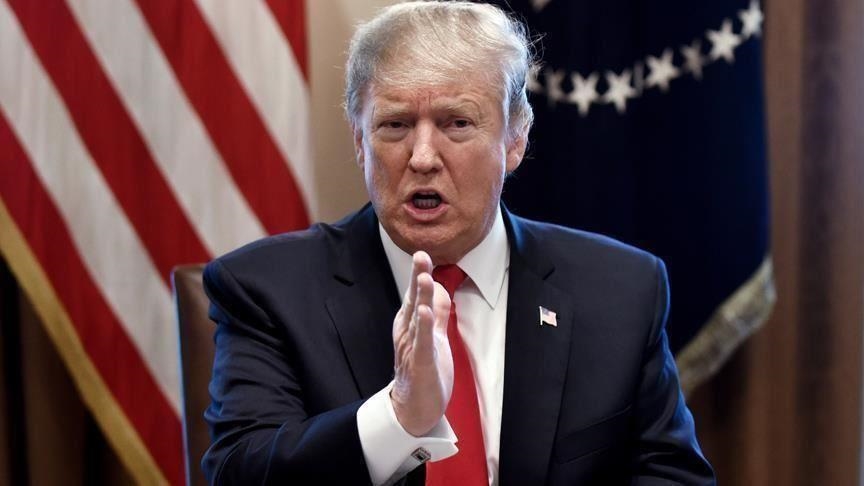
On Thursday, former President Donald Trump announced airstrikes in northwest Nigeria. He said he ordered U.S. forces to hit Islamic State fighters. He framed the mission as a response to attacks on Christians. He spoke in sharp language. He blamed extremists for brutal killings. He promised consequences. And, in his words, he delivered them.
Trump said American troops carried out “numerous” and “deadly” operations. He claimed U.S. pilots struck multiple targets with precision. He praised the military. He highlighted his tough stand on terrorism. Then he added a holiday message. He wished the country Merry Christmas. He wished the “terrorists” no peace.
Meanwhile, Nigeria continued to struggle with layered threats. Boko Haram still operates. IS-linked cells exploit weak spots. Armed gangs control remote areas. Communities face kidnappings, extortion, and fear. Farmers abandon land. Traders avoid highways. Schools shorten schedules. And local officials race to keep order.
At the same time, Washington increased pressure. The State Department flagged Nigeria for religious-freedom concerns. U.S. officials imposed visa curbs on people linked to mass violence. They said credible reports show discrimination and targeted killings. They called for accountability. They also pushed Abuja for stronger action.
However, Nigeria’s leaders pushed back. President Bola Tinubu released a statement on Christmas Day. He promised protection for every faith. He said his government stands for security, unity, and stability. He promised reforms. He pledged tougher operations against extremists. And he urged citizens to reject hate.
Tinubu also challenged the narrative of “Christian persecution.” He said gunmen attack both Muslims and Christians. He argued that headlines simplify a complex crisis. He pointed to poverty, weak policing, and fractured politics. He said these conditions fuel violence. He called for patience. He called for national solidarity.
Still, tension rose after Trump’s announcement. Nigerian commentators asked tough questions. Did the U.S. inform Abuja? Did the strikes risk civilian harm? Could militants exploit the fallout? Analysts debated sovereignty. They debated legality. They debated political timing. And they warned about future escalation.
Meanwhile, faith leaders across Nigeria urged calm. They called for dialogue. They asked security forces to act carefully. They encouraged communities to report threats. And they urged the government to rebuild trust through visible results.
Globally, human-rights groups monitored the situation. They demanded transparency. They sought details on targets, casualties, and rules of engagement. They called for independent review. They argued that military action alone cannot solve deep grievances.
Ultimately, the crisis revealed a hard truth. Nigeria stands at a crossroads. Extremists test the state. Citizens demand safety. Allies assert power. Leaders trade statements. Yet families still bury victims. And children still grow up under the shadow of fear.
Now, the path forward requires clarity. Nigeria needs stronger institutions. The U.S. needs careful diplomacy. Regional partners need cooperation. And communities need hope. Only then can Christmas, and every other day, offer peace instead of dread.