US puts ‘America first’ in India trade deal, vows to avoid China-Era mistakes
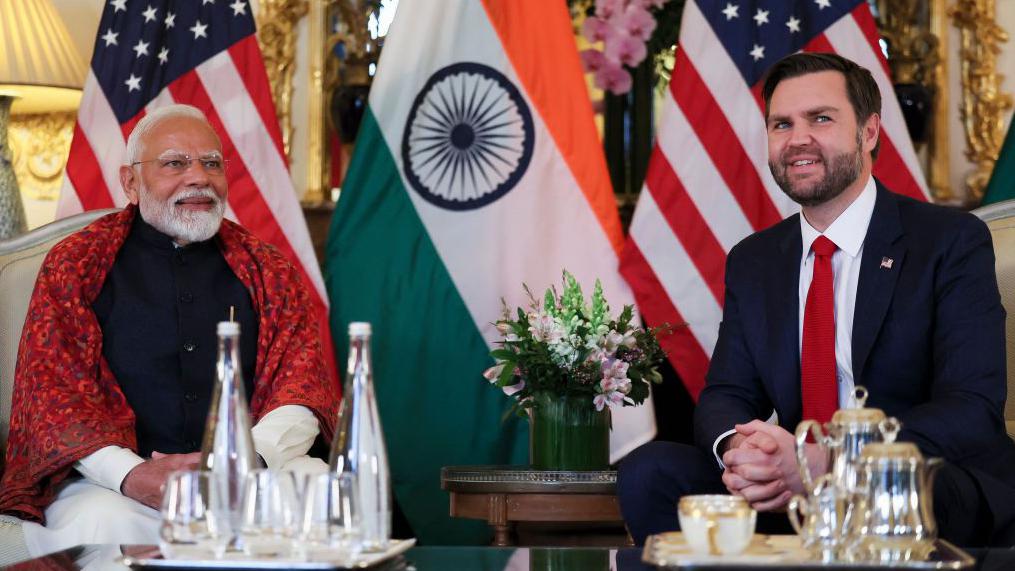
The United States has signalled a more cautious and strategic approach to its growing economic partnership with India. A senior US official said Washington will expand trade ties with New Delhi, but it will also firmly protect American interests. The statement reflects lessons the US believes it learned from its past trade engagement with China.
US Deputy Secretary of State Christopher Landau made the remarks on Thursday during the Raisina Dialogue in New Delhi. His comments came at a time when both countries push forward with negotiations under a broader US-India Bilateral Trade Agreement.
Landau explained that the United States will not repeat what it views as past miscalculations with China. He said Washington once allowed Beijing to expand commercially in ways that later created intense competition for American industries. Therefore, the US now plans a more balanced approach with India.
He stressed that the United States will protect its domestic economic interests while expanding cooperation. According to him, American policymakers must remain accountable to their own citizens. At the same time, he acknowledged that India’s government faces a similar responsibility toward its people.
However, Landau clarified that the “America First” doctrine does not mean the US will isolate itself. Instead, he said Washington seeks strong partnerships that also serve American interests. In this context, he noted that sovereign nations naturally prioritise their own national development.
He drew a comparison between the political priorities of both countries. Just as US leadership promotes national prosperity under the “Make America Great Again” vision, he said Indian leaders also aim to strengthen their country’s growth and global influence.
Meanwhile, Landau highlighted India’s increasing importance in global affairs. He argued that the trajectory of the 21st century will closely connect with India’s rise. India’s large population, expanding economy and strategic position give it the capacity to shape future global trends.
He emphasised that the US-India partnership rests on practical interests rather than goodwill alone. According to Landau, both countries pursue cooperation because it benefits their economies and strategic goals. In his words, the United States sees several potential “win-win” opportunities in stronger collaboration with India.
Furthermore, he expressed optimism about ongoing negotiations over a bilateral trade agreement. He said discussions between the two governments have advanced significantly and now approach the final stage.
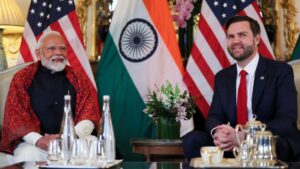
Recent developments support that optimism. Last month, India and the United States finalised a framework for an interim trade agreement within the broader bilateral trade pact. The agreement aims to strengthen economic exchange while addressing long-standing trade concerns.
One major component involves tariff adjustments. The United States reduced its reciprocal tariff rate on Indian goods from 25 percent to 18 percent. Washington also removed an earlier 25 percent punitive tariff that targeted India after it purchased Russian oil.
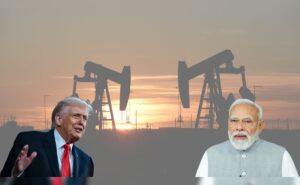
In return, India committed to a significant shift in its energy procurement strategy. The country plans to reduce its reliance on Russian crude oil imports. Instead, it will expand purchases of American energy supplies and other high-value goods.
The arrangement goes even further. India has pledged to buy around 500 billion dollars worth of US energy products, aircraft and advanced technology over the next five years. Both sides expect this commitment to deepen economic ties and strengthen strategic cooperation.
Overall, the message from Washington remains clear. The United States wants stronger economic engagement with India. At the same time, it intends to pursue that partnership with clearer safeguards and a stronger focus on national interests.